If you’ve ever stood in front of a small fire and hesitated, you’re not alone. Most people know what a fire extinguisher is, but very few understand how it actually works when things get real. A fire extinguisher is a portable device designed to control or extinguish small fires before they spread, using specific agents suited to different types of fire. Knowing how it works is not just theory—it directly affects whether you stop a fire in seconds or let it turn into a major incident.
In real situations, the difference comes down to choosing the right type, using it correctly, and understanding its limitations. That’s where most failures happen—not because the extinguisher didn’t work, but because it was used wrong.
What Is a Fire Extinguisher
A fire extinguisher is a pressurized container filled with an extinguishing agent that is discharged to put out fires by cooling, smothering, or interrupting the chemical reaction of combustion. To ensure safety, it is vital to source high-quality fire extinguishers that meet industrial safety standards.
Types of Fire Extinguishers (Practical View)
Not all extinguishers are interchangeable. Each is built for a specific kind of fire risk.
- ABC Fire Extinguisher (Dry Chemical): Most common in India. Works on solid, liquid, and electrical fires. Good general-purpose choice.
- CO2 Fire Extinguisher: Used for electrical panels, server rooms, and offices. Leaves no residue but limited for open fires.
- Foam Fire Extinguisher: Effective for flammable liquids like petrol or diesel. Not suitable for electrical fires.
- Water Fire Extinguisher: Basic option for paper, wood, and cloth fires. Should never be used on electrical or oil fires.
- Clean Agent Fire Extinguisher: Used in sensitive environments like data centers. No damage to equipment.
- Kitchen Fire Extinguisher (Wet Chemical): Designed specifically for cooking oil and grease fires.
In many factories, you’ll see multiple types installed side by side because no single extinguisher covers every risk.
Real-World Use Cases (Where It Actually Matters)
Home
Most residential fires start in kitchens or due to electrical faults. An ABC fire extinguisher works, but a kitchen-specific unit is safer for oil fires.
Office
CO2 fire extinguisher units are standard near electrical panels and workstations. Using powder here can damage equipment.
Factory
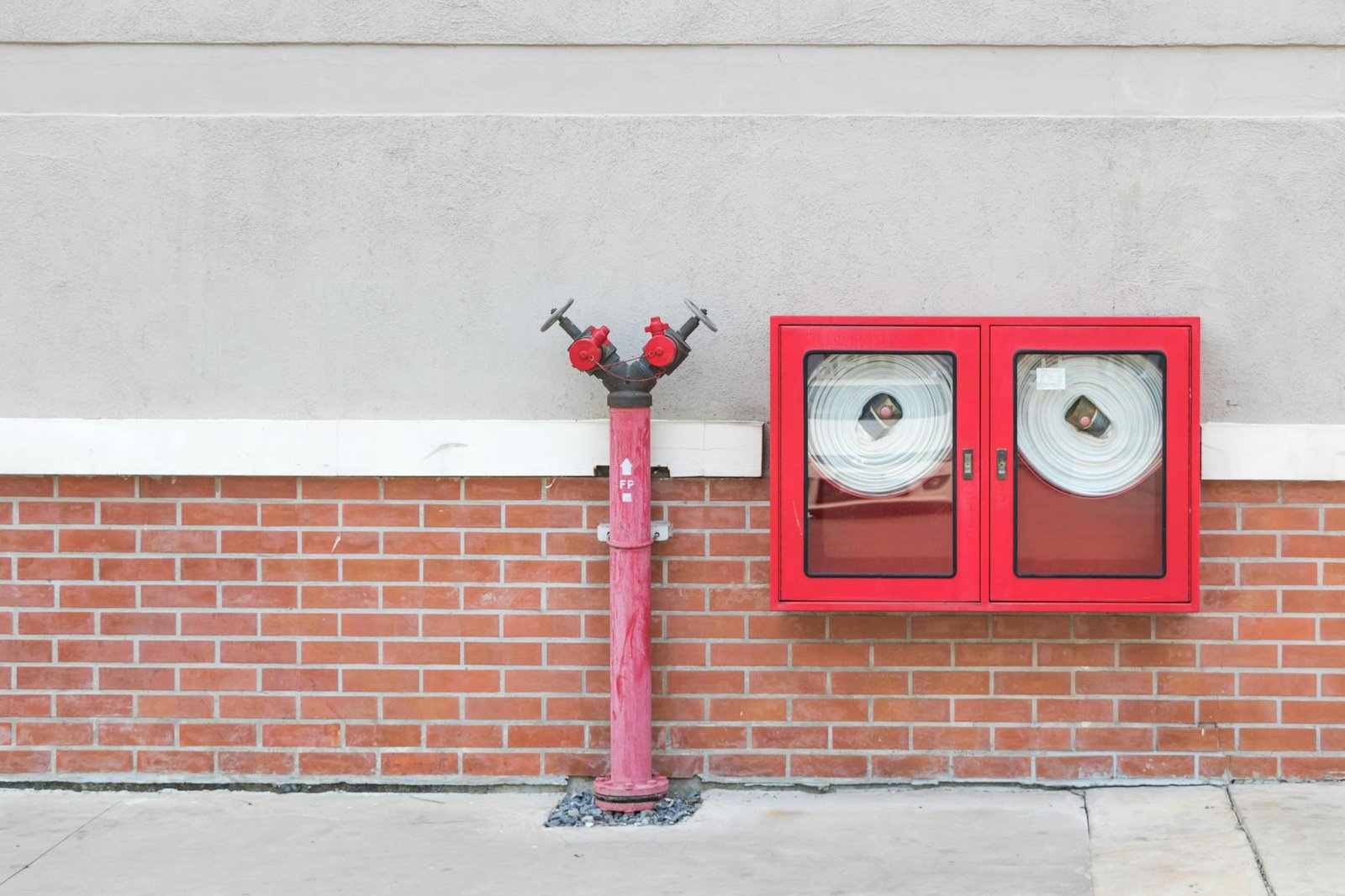
High-risk zones require a mix—ABC for general areas, foam for flammable liquids, and CO2 for electrical machinery. Large-scale facilities often utilize a fire hydrant system as a secondary line of defense.
Kitchen (Commercial & Home)
Grease fires cannot be controlled with water. This is where kitchen fire extinguisher models are critical.
Electrical Panels
Only CO2 or clean agent extinguishers should be used. Powder can work but creates cleanup and downtime issues.
Server Rooms
Clean agent fire extinguisher systems are preferred because they suppress fire without damaging electronics.
How Fire Extinguishers Work (Technical but Practical)
Fire needs three elements: fuel, heat, and oxygen. This is called the fire triangle. Extinguishers work by removing one or more of these.
Fire Classes
- Class A: Solid materials (wood, paper)
- Class B: Flammable liquids
- Class C: Electrical fires
- Class D: Metals
- Class K: Cooking oils
Working Principle
- Cooling: Water-based extinguishers reduce temperature.
- Smothering: Foam cuts off oxygen.
- Chemical interruption: Dry powder breaks the chain reaction.
- Displacement: CO2 replaces oxygen around the fire.
Comparison Table
| Type | Best For | Limitation | Cost Range (India) |
| ABC Dry Powder | General use (home, office, factory) | Leaves residue | ₹1,500 – ₹6,000 |
| CO2 | Electrical, server rooms | Limited range, no cooling | ₹2,500 – ₹10,000 |
| Foam | Flammable liquids | Not for electrical | ₹2,000 – ₹7,000 |
| Water | Solid materials | Dangerous on electrical/oil | ₹1,200 – ₹4,000 |
| Clean Agent | Sensitive equipment | Higher cost | ₹5,000 – ₹20,000 |
| Wet Chemical | Kitchen fires | Limited use cases | ₹3,000 – ₹8,000 |
Price and Selection in India
Fire extinguisher price in India varies based on type, capacity, and certification. For most users:
- For homes: 2–4 kg ABC extinguisher is sufficient.
- For offices: Combination of ABC + CO2.
- For factories: Risk-based selection, not one-size-fits-all.
- For kitchens: Wet chemical is non-negotiable.
Don’t buy based on price alone. In many cases, cheaper extinguishers fail due to low discharge time or poor pressure retention. Also factor in refill and maintenance. A unit that isn’t serviced is as good as not having one. To ensure long-term reliability, many businesses contact Safex for professional maintenance schedules.
Common Mistakes People Make
- Using water on electrical or oil fires.
- Not checking pressure gauges regularly.
- Keeping extinguishers in inaccessible locations.
- Not training staff or family members on the PASS technique.
- Assuming one extinguisher covers all risks.
FAQs
1. Can one fire extinguisher handle all types of fires?
No. ABC covers most cases, but not everything. Specialized risks need specific types.
2. How long does a fire extinguisher last?
Typically 10–15 seconds of discharge. That’s why quick action matters.
3. How often should it be serviced?
At least once a year, with periodic checks of the pressure gauge.
4. Is CO2 better than ABC?
Not better—just different. CO2 is ideal for electrical fires, ABC is more versatile.
5. What happens if I use the wrong extinguisher?
You can worsen the fire (e.g., splashing oil) or create additional hazards like electrocution.
6. Can I refill a fire extinguisher?
Yes, but only through certified service providers to ensure the correct pressure and agent.
7. Where should extinguishers be placed?
Near exits and high-risk areas—not hidden in corners or behind furniture.
Conclusion
A fire extinguisher is not just a safety requirement—it’s a first response tool that can prevent a disaster if used correctly. The key is not just having one, but having the right type, placing it properly, and knowing how to use it under pressure.
In real-world conditions, fires escalate fast. The people who control them early are usually the ones who understood their equipment beforehand. That’s the difference between minor damage and major loss. If you are looking to provide these safety solutions to your community, you can become a Safex distributor today.
Image Prompt: A person using a fire extinguisher to put out a small kitchen fire while maintaining proper distance and technique
Alt Text: Proper use of fire extinguisher on a small controlled fire in real-life scenario
Focus Keyword: fire extinguisher
SEO Title: What Is a Fire Extinguisher and How It Works in Real Situations
Meta Description: Learn what a fire extinguisher is, how it works, types, real-life use cases, and price in India. Practical guide for homes, offices, and factories.
Slug: what-is-fire-extinguisher-how-it-works
Yoast SEO Block
- Focus Keyword: fire extinguisher
- SEO Title: What Is a Fire Extinguisher and How It Works in Real Situations
- Meta Description: Learn what a fire extinguisher is, how it works, types, real-life use cases, and price in India. Practical guide for homes, offices, and factories.
- Slug: what-is-fire-extinguisher-how-it-works