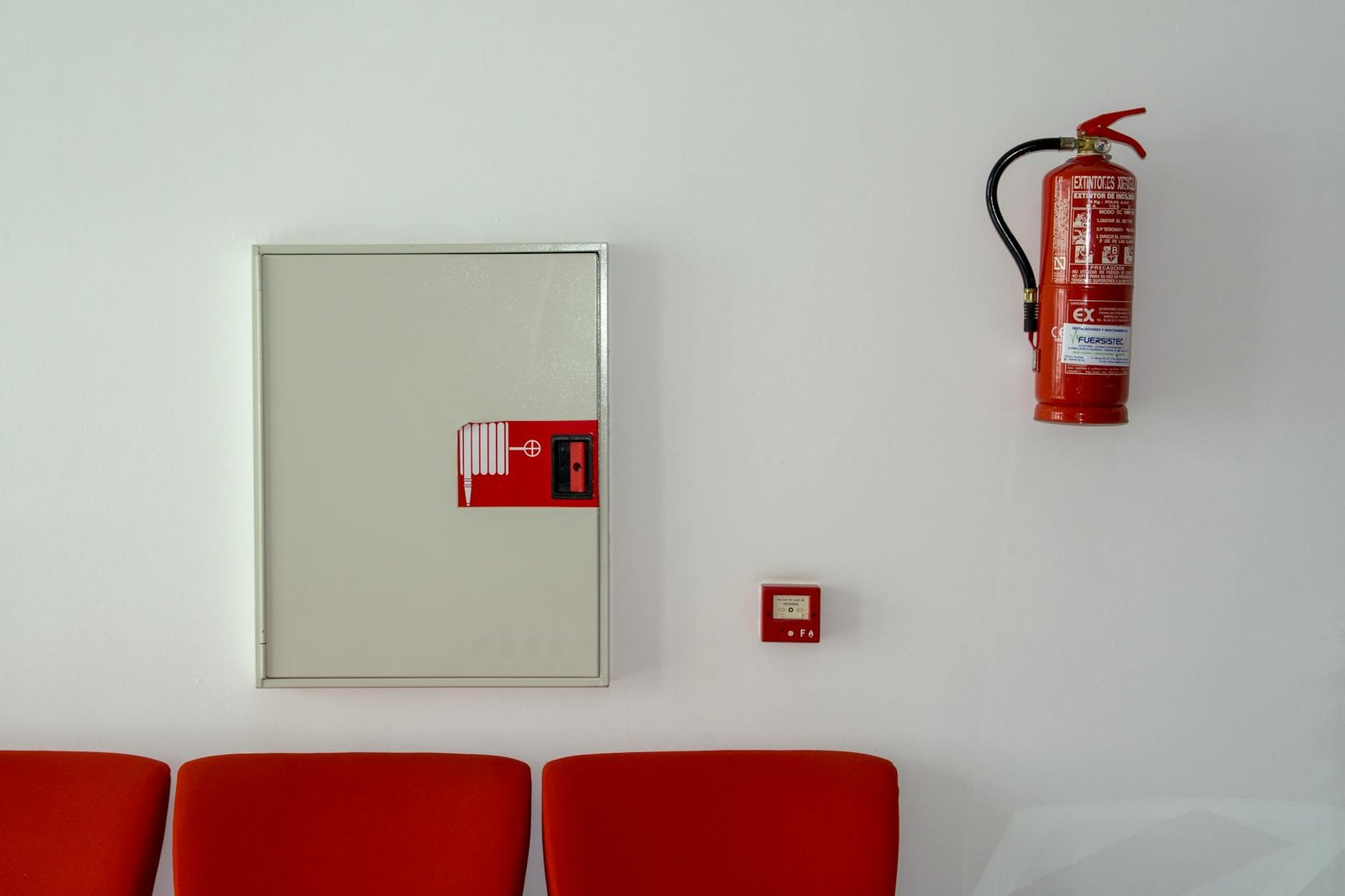
In the complex landscape of industrial and commercial fire safety, the water type fire extinguisher remains a foundational element of a facility’s protection strategy. Despite the proliferation of advanced chemical suppressants, water continues to be the most effective, economical, and environmentally friendly agent for Class A fires. For facility managers, architects, and safety officers in India, understanding the technical specifications and legal requirements surrounding these units is not merely a matter of best practice—it is a mandatory compliance requirement under the National Building Code (NBC) and various state-level fire safety acts.
Safex established 1972, and since our inception, we have seen the evolution of fire safety regulations in India from rudimentary guidelines to the rigorous frameworks we follow today. This article serves as a technical manual for selecting, maintaining, and deploying water type fire extinguishers in accordance with the latest Indian Standards.
Understanding the Role of Water Type Fire Extinguishers in Class A Fire Protection
Water type fire extinguishers are specifically engineered to combat Class A fires—those involving solid combustible materials such as wood, paper, cloth, rubber, and certain plastics. The primary mechanism of action is cooling; water absorbs heat from the burning material, effectively lowering its temperature below the ignition point.
Under the guidelines of IS 2190, which provides the code of practice for the selection, installation, and maintenance of first-aid fire extinguishers, water type units are mandatory in occupancy types where Class A risks are prevalent. This includes warehouses in industrial belts like Gujarat, commercial office spaces in Bengaluru, and residential high-rises across urban centers.
It is critical to distinguish between different types of water fire extinguishers. The gas cartridge-operated water extinguisher is a staple in the Indian market. Unlike stored-pressure models, these units utilize a CO2 cartridge to pressurize the water at the moment of use. This design offers a robust, reliable performance even in the varying climatic conditions of India, provided that they are serviced in line with IS 15683:2018, which sets the standard for the construction and performance of portable fire extinguishers.
For facility managers, the installation of these units must be strategic. NBC 2016 Part 4 mandates specific distribution patterns based on the fire load of the building. A single 9-liter water extinguisher is typically rated for a specific floor area, but this must be calibrated based on the occupancy classification (e.g., assembly, business, or mercantile). Failing to meet these density requirements can lead to insurance claim denials and severe penalties from local fire departments.
Compliance and Technical Specifications: IS 15683 and NBC 2016
Compliance in India is dictated by the Bureau of Indian Standards (BIS). When procuring fire safety equipment, the IS 15683:2018 certification is the benchmark for quality and reliability. This standard ensures that the extinguisher body can withstand internal pressures, the nozzle provides the required throw, and the discharge mechanism is ergonomic and functional under duress.
The National Building Code (NBC) 2016 provides the overarching framework for fire safety in India. Within Part 4 of the code, there are explicit requirements for the provision of fire extinguishers based on building height and usage. For example, high-rise buildings are subject to strict audits where inspectors look for the ‘ISI’ mark on every extinguisher. An extinguisher without this mark is essentially a liability; it suggests the equipment has not undergone the rigorous stress testing required to ensure it will function during an emergency.
In practical terms, compliance involves more than just purchasing the right unit. It includes:
1. Hydrostatic pressure testing of the cylinder body.
2. Regular checking of the gas cartridge weight to ensure it hasn’t leaked.
3. Verification that the discharge hose is not cracked or obstructed.
4. Annual maintenance logs kept in a register for fire safety audits.
Managers should note that the cost of non-compliance is far higher than the cost of procurement. Penalties for failing fire safety audits in major Indian cities can lead to the temporary sealing of commercial premises, causing massive business disruption. Investing in IS-certified equipment is the most effective form of risk mitigation.
Operational Excellence: The PASS Method and Training
The effectiveness of any fire safety equipment is only as good as the person operating it. Even the best-maintained water type extinguisher is useless if the user panics during an emergency. At Safex, we emphasize the universal PASS method for all personnel training:
– Pull: Pull the safety pin located at the top of the extinguisher. This breaks the tamper seal and allows you to squeeze the handle.
– Aim: Aim the nozzle at the base of the fire, not at the flames themselves. Remember, you are trying to cool the fuel, not dissipate the smoke.
– Squeeze: Squeeze the handle slowly and evenly to release the extinguishing agent.
– Sweep: Sweep the nozzle from side to side at the base of the fire until the flames appear to be extinguished.
It is vital to conduct periodic fire drills in workplaces to ensure staff are familiar with the weight and discharge pressure of the extinguishers. A 9-liter water extinguisher, when full, is heavy. Training programs should include simulated discharges (using empty or practice units) so that employees are comfortable with the physical handling of the equipment.
Furthermore, remember the critical limitation of water extinguishers: they must never be used on electrical fires. Water is a conductor of electricity. Using a water-based unit on a live electrical panel or server rack can result in fatal electric shock. Always ensure that fire points are clearly marked with signage indicating the type of fire the equipment is suitable for, as per the color-coding standards in IS 2190.
Market Overview: Pricing and Procurement in India
Procurement strategy for fire safety equipment in India requires balancing cost with long-term reliability. While there are cheaper, non-certified options available in the unorganized market, these pose a significant risk to life and property.
For a standard 9-liter water type fire extinguisher (ISI marked), buyers should expect a price range of approximately ₹2,000 to ₹4,500, depending on the manufacturer, the thickness of the steel used for the body, and the quality of the nozzle and cartridge assembly. Smaller variants, though less common for water types, may range from ₹1,500 to ₹3,000. For large-scale industrial procurement, bulk pricing can bring these costs down, but always verify the validity of the ISI license number on the BIS website before finalizing a contract.
Comparison of Fire Extinguisher Types
| Feature | Water Type | Dry Chemical Powder (DCP) | CO2 Extinguisher |
| Primary Use | Class A (Solids) | Class A, B, C, and Electrical | Class B and Electrical |
| Cooling Effect | Excellent | Minimal | Low |
| Residue | Minimal | High (Requires Cleanup) | None |
| IS Standard | IS 15683 | IS 15683 | IS 15683 |
When setting up a facility, a mix of these extinguishers is usually necessary. Water extinguishers should be placed in areas with high paper or textile load, while CO2 units should be positioned near server rooms and electrical panels.
Frequently Asked Questions (FAQ)
Q: Why is the IS 15683 certification important for my business?
A: IS 15683:2018 is the Indian Standard that ensures your extinguisher meets the specific performance, safety, and durability requirements mandated by local fire authorities and the NBC. Using non-certified equipment can lead to legal liability and failure of fire safety audits.
Q: Can I use a water type extinguisher on an electrical fire?
A: Absolutely not. Water conducts electricity. Using a water extinguisher on live electrical equipment can cause severe electric shock to the operator. Use CO2 or clean agent extinguishers for electrical fires.
Q: How often should I inspect my fire extinguishers?
A: Under IS 2190, you should conduct a visual inspection monthly to ensure the pin is in place, the pressure is adequate (for stored pressure), and the unit is accessible. Professional maintenance and service should be conducted annually.
Q: What is the average price range for a quality water extinguisher?
A: A high-quality, ISI-certified 9-liter water extinguisher typically costs between ₹2,000 and ₹4,500. Prices vary based on the manufacturer and the specific valve/nozzle configuration.
Q: What is the PASS method?
A: The PASS method is a mnemonic for operating an extinguisher: Pull the pin, Aim at the base of the fire, Squeeze the handle, and Sweep from side to side.
Q: Does the NBC 2016 require specific placements for water extinguishers?
A: Yes, the NBC 2016 Part 4 specifies the placement, distribution, and mounting heights for fire extinguishers to ensure they are accessible and provide adequate coverage for the fire load of the specific building occupancy.
Resources
For further information on fire safety standards and regulatory requirements in India, please refer to the following official resources:
– Bureau of Indian Standards (BIS) – Official website for verifying ISI licenses.
– National Building Code of India (NBC 2016) – The authoritative document for fire and life safety in the Indian construction industry.
Conclusion
Fire safety is an ongoing commitment rather than a one-time purchase. As we have explored, the water type fire extinguisher remains a cornerstone of safety for Class A risks, provided it is selected, installed, and maintained according to the rigorous standards set by the Bureau of Indian Standards.
Whether you are managing a warehouse, an IT park, or a residential complex, ensuring that your equipment meets IS 15683 specifications and aligns with the requirements of NBC 2016 is the best way to safeguard your assets and, more importantly, the lives of those within your facility. Safex established 1972, and our legacy is built on the belief that there is no substitute for quality and compliance when it comes to fire safety. By integrating professional training, regular maintenance, and high-quality equipment, you create a robust defense against the threat of fire. Always remember that in the event of an emergency, the readiness of your team and the reliability of your tools are the only things that stand between a minor incident and a catastrophe.