Water Mist Fire Extinguishers: A Comprehensive Guide for Indian Industrial and Commercial Fire Safety
Introduction
In the rapidly evolving landscape of Indian infrastructure, the demand for sophisticated fire suppression technology has never been higher. As facility managers and safety officers navigate the stringent requirements of the National Building Code (NBC 2016), the shift toward environmentally friendly and highly efficient suppression agents is evident. Among these, the water mist fire extinguisher has emerged as a premier solution for high-risk environments. At Safex Fire Services, we have been at the forefront of this industry since our inception in 1972, providing expert guidance and high-quality safety solutions to protect lives and assets across the country.
Water mist technology represents a significant leap from traditional fire suppression methods. By utilizing ultra-fine water droplets, these extinguishers provide a dual-action cooling and oxygen-displacement effect that is remarkably effective on Class A and Class B fires. As we look at the specific needs of modern Indian buildings—from high-density IT parks in Bengaluru to complex manufacturing hubs in Gujarat—understanding the technical nuances and compliance requirements of these systems is critical for any serious safety professional.
The Science and Mechanism of Water Mist Technology
Unlike traditional stored-pressure water extinguishers that simply drench a fire, water mist technology relies on the physics of surface area. By forcing water through specialized nozzles at high pressure, the system creates a dense cloud of microscopic droplets. These droplets have a total surface area exponentially larger than a standard water stream, allowing them to absorb heat from the fire at a much faster rate.
When the mist reaches the fire, it undergoes a rapid phase change from liquid to vapor. This expansion consumes vast amounts of thermal energy, effectively cooling the fuel source below its ignition temperature. Simultaneously, the expanding steam displaces the oxygen in the immediate vicinity of the flame, effectively “starving” the fire. This multi-layered approach makes water mist extinguishers particularly versatile.
From a regulatory perspective, it is vital that any equipment deployed on your premises adheres to the standards set by the Bureau of Indian Standards (BIS). While water mist is a specialized technology, its deployment must still align with the general principles of IS 2190, which governs the selection, installation, and maintenance of portable fire extinguishers. Because these systems use deionized water, they are also significantly safer to use around sensitive electrical equipment compared to standard water fire extinguishers, provided they meet the dielectric testing requirements mandated by relevant safety codes.
Compliance, NBC 2016, and IS Standards
For facility managers, the primary concern is always compliance. The National Building Code (NBC 2016) Part 4 provides the framework for fire and life safety in India. It mandates that fire suppression systemss must be selected based on the specific fire load and occupancy type of the building. Water mist systems are increasingly being cited in high-rise and data center fire safety audits because they offer a “clean” suppression profile that leaves no residue—unlike dry chemical powder, which can cause significant collateral damage to expensive server hardware.
When purchasing extinguishers, you must ensure that the units are manufactured in accordance with IS 15683:2018. This standard dictates the performance, construction, and testing requirements for portable fire extinguishers in India. While water mist technology is highly advanced, the vessel and the operating mechanism must still conform to these rigorous Indian Standards to be considered legal and insurable.
Failure to comply with these standards does not merely risk a failed fire safety audit; it exposes the organization to massive legal liabilities. In the event of a fire, insurance companies will verify whether the installed equipment was compliant with NBC 2016 and properly maintained. Utilizing non-standard or uncertified equipment can lead to the rejection of fire insurance claims, leaving the business vulnerable to catastrophic financial loss.
Practical Application: The PASS Method and Maintenance
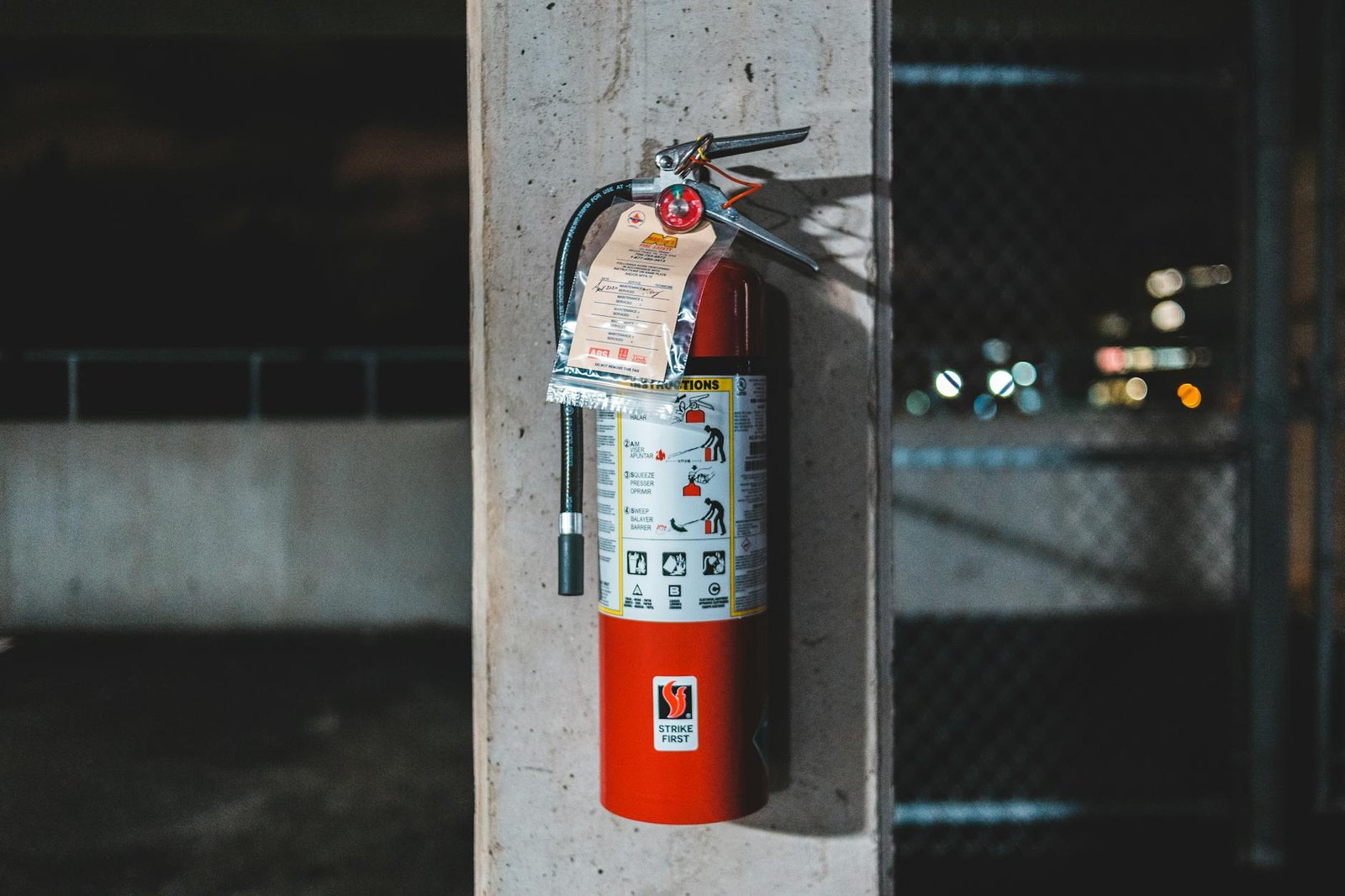
Even the most advanced water mist extinguisher is only as effective as the person operating it. In a high-stress emergency, training is the difference between a minor incident and a total facility loss. We always recommend that staff be trained in the PASS method for operating portable fire extinguishers:
1. Pull: Pull the pin located at the top of the extinguisher. This breaks the tamper seal and allows the handle to be squeezed.
2. Aim: Aim the nozzle at the base of the fire, not at the flames themselves. For water mist, this ensures the cooling effect targets the fuel source directly.
3. Squeeze: Squeeze the handle slowly and evenly to release the extinguishing agent.
4. Sweep: Sweep the nozzle from side to side at the base of the fire until the flames appear to be extinguished.
Regarding costs, water mist extinguishers are a premium investment compared to standard dry chemical powder (DCP) units. In the Indian market, you can expect to pay between ₹5,000 and ₹15,000 for high-quality, certified water mist units, depending on the capacity and the technology level (e.g., stainless steel vs. mild steel construction). While a standard 2kg DCP extinguisher might cost ₹1,500-₹3,000, the lack of post-fire cleanup costs and the reduced risk of damage to assets make water mist a more economical choice over the lifecycle of the equipment.
Comparison of Common Fire Suppression Agents
| Feature | Water Mist | Dry Chemical Powder (DCP) | CO2 Extinguisher |
| Residue | None (Clean) | Heavy (Requires Cleanup) | None |
| Primary Use | Class A, B, and Electrical | Class A, B, C | Class B and Electrical |
| Collateral Damage | Minimal | High (Corrosive to Electronics) | Low (Thermal Shock Risk) |
| Cost Range (approx) | ₹5,000 – ₹15,000 | ₹1,500 – ₹5,000 | ₹2,500 – ₹7,000 |
FAQ: Frequently Asked Questions
Q: Are water mist extinguishers safe for use on electrical fires?
A: Yes, high-quality water mist extinguishers are designed with deionized water and specialized nozzles that prevent electrical conductivity, making them safe for electrical fires, provided the unit is tested and certified for such use under IS 15683 standards.
Q: How often should I have my extinguishers inspected?
A: According to IS 2190, all fire extinguishers must be inspected monthly by the facility manager and serviced annually by an authorized service agency to ensure they meet the requirements of the NBC 2016.
Q: Why are water mist extinguishers more expensive than DCP extinguishers?
A: The price difference, ranging from ₹5,000 to ₹15,000 for water mist compared to ₹1,500-₹3,000 for DCP, reflects the advanced engineering required to atomize water into ultra-fine droplets and the high-grade materials used to prevent corrosion.
Q: Does the National Building Code (NBC 2016) specifically mandate water mist?
A: NBC 2016 emphasizes performance-based fire safety. While it does not mandate water mist for every building, it requires that the chosen system be effective for the specific fire hazards present, which often makes water mist the preferred choice for modern, high-tech facilities.
Q: Can I use a water mist extinguisher on a cooking oil fire?
A: While water mist is excellent for many fires, specialized wet chemical extinguishers are usually recommended for Class F (cooking oil) fires. Always check the label on your extinguisher to confirm the fire classes it is rated for.
Q: What is the primary benefit of water mist over traditional water extinguishers?
A: Water mist creates a cooling and oxygen-displacement effect that suppresses fire faster and with significantly less water, meaning less water damage to your property after the fire is out.
Resources
Given the critical nature of fire safety, ensure your team stays updated with official documentation. Please refer to the following resources for further information on industry standards:
– Bureau of Indian Standards (BIS) official portal for IS 15683 documentation.
– National Building Code of India (NBC 2016) guidelines for fire and life safety.
Conclusion
Fire safety is not a one-time purchase but a continuous commitment to the safety of your personnel and the longevity of your business. Water mist technology offers a modern, efficient, and clean solution that aligns perfectly with the standards set forth in the NBC 2016. By investing in certified equipment and ensuring your staff is trained in the PASS method, you are taking a proactive stance against the risks of fire in any industrial or commercial setting.
Since Safex established 1972, we have remained dedicated to providing the Indian market with reliable, compliant, and cutting-edge fire safety solutions. Whether you are upgrading your facility’s fire protection plan or seeking advice on the latest IS standards, our team is equipped with the technical expertise to guide you through every step of the compliance process. Protecting your future begins with the decisions you make today.