Fire safety is not merely a regulatory box to tick for Indian enterprises; it is a fundamental pillar of operational continuity and human safety. In the diverse industrial landscape of India—ranging from the high-density textile hubs of Gujarat to the sprawling, climate-controlled IT parks of Bengaluru—the choice of fire suppression equipment can mean the difference between a minor incident and a catastrophic loss. Among the various suppression agents, the Dry Chemical Powder (DCP) fire extinguisher remains the most versatile and widely deployed tool in the Indian market.
At Safex Fire Services, we have been at the forefront of fire protection since our inception in 1972. With over five decades of experience, we have observed that many facility managers prioritize procurement based solely on cost, often overlooking the critical nuances of Indian Standards (IS) compliance and proper placement. This guide serves to demystify the technical requirements, legal mandates, and practical deployment strategies for powder fire extinguishers in an Indian context.
Understanding the Role of Dry Chemical Powder Extinguishers
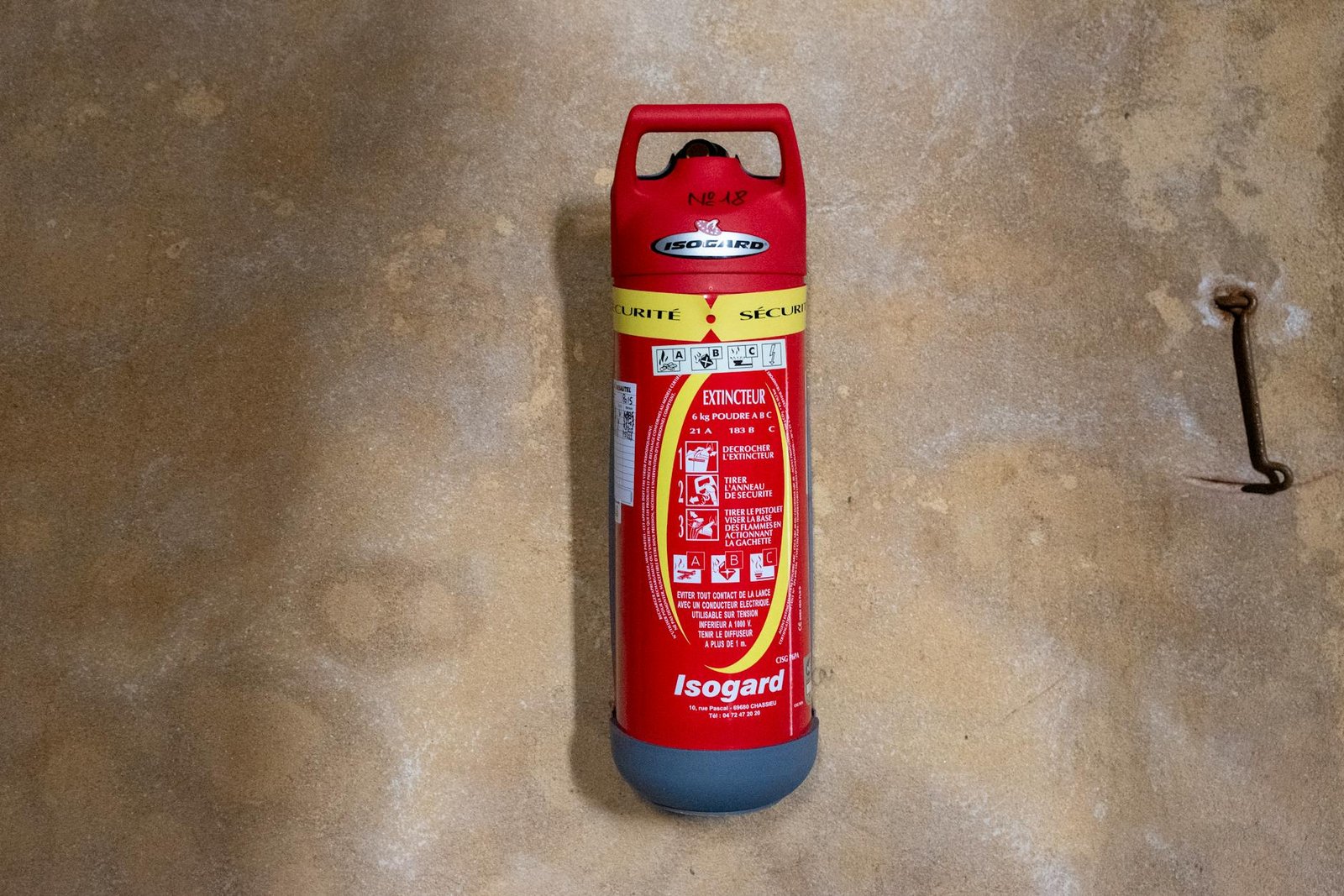
Dry Powder Extinguishers, commonly referred to as DCP extinguishers, are categorized as multi-purpose fire suppression tools. They operate by discharging a fine chemical powder—typically mono-ammonium phosphate—which blankets the fire, interrupts the chemical reaction, and smothers the flames. In India, these units are essential for Class A (solid combustibles), Class B (flammable liquids), and Class C (gaseous fires) hazards, and are often rated as safe for energized electrical equipment.
The performance and reliability of these extinguishers are governed by strict regulatory frameworks. Specifically, all portable fire extinguishers manufactured or utilized in India must adhere to IS 15683. This standard dictates the design, construction, and performance testing requirements to ensure that when a fire occurs, the equipment functions as intended. Using non-certified, low-quality extinguishers is a liability that no business should entertain, as it risks both the lives of employees and the legal standing of the organization in the event of an audit by the Fire Department.
When selecting a powder extinguisher, one must consider the environment. For instance, in a humid warehouse in a coastal region like Mumbai or Chennai, the chemical powder is prone to caking if the cylinder is not hermetically sealed or if the quality of the powder is inferior. IS 15683 compliance ensures that the internal components and the powder quality meet the rigorous demands of India’s varied climatic conditions.
Regulatory Compliance: NBC 2016 and IS 2190
Navigating the legal landscape of fire safety in India requires an understanding of two primary documents: the National Building Code (NBC 2016) and IS 2190. The NBC 2016 Part 4 provides the overarching guidelines for fire and life safety, mandating the minimum requirements for fire protection systems based on the occupancy type, height, and area of the building.
IS 2190 serves as the code of practice for the selection, installation, and maintenance of portable fire extinguishers. It is not enough to simply hang an extinguisher on a wall; the installation must be strategic. According to IS 2190, extinguishers should be installed in conspicuous positions, easily accessible, and free from any obstruction. For a typical commercial office, the travel distance to a fire extinguisher should not exceed 15 to 20 meters, depending on the fire hazard classification of the premises.
Failure to comply with these standards carries significant risks. In many Indian states, non-compliance can lead to the revocation of the “No Objection Certificate” (NOC) from the local fire authority, hefty fines, and, in the event of a fire, potential criminal liability for the facility manager or the building owner. As experts who have operated since 1972, we emphasize that compliance is a continuous process—not a one-time setup. It involves regular inspections, hydrostatic pressure testing, and periodic refilling of the extinguishing agent.
Practical Deployment: The PASS Method
Having the right equipment is useless if the personnel on-site do not know how to operate it under pressure. During a fire emergency, panic is the primary adversary. To ensure that staff can effectively use a powder extinguisher, we train clients on the internationally recognized PASS method:
1. Pull: Pull the safety pin located at the top of the extinguisher. This breaks the tamper seal and allows the handle to be squeezed.
2. Aim: Aim the nozzle or hose at the base of the fire, not at the flames themselves. The extinguishing agent must reach the fuel source to be effective.
3. Squeeze: Squeeze the handle firmly to release the pressurized powder.
4. Sweep: Sweep the nozzle from side to side at the base of the fire until the flames appear to be extinguished. Continue to monitor the area for re-ignition.
It is crucial to note that powder extinguishers can create a significant “cloud” of dust, which may obscure vision and cause respiratory discomfort. In indoor environments, it is vital to have a clear exit path behind you before you begin fighting the fire.
Cost Considerations and Investment in Quality
In the Indian market, the price of a fire extinguisher is often the primary driver for procurement. However, as a veteran firm, we urge decision-makers to look at the total cost of ownership rather than just the initial price tag.
For a standard 2kg ABC-type powder extinguisher, you can expect to pay between ₹1,500 and ₹3,000, depending on the brand and the quality of the cylinder steel. Larger, industrial-grade 6kg or 9kg units typically range from ₹3,500 to ₹7,000. For heavy-duty industrial trolley-mounted extinguishers (typically 25kg to 50kg), prices can escalate to ₹15,000 or more.
Investing in cheaper, unbranded extinguishers often leads to hidden costs: premature loss of pressure, valves that fail to open during an emergency, and shorter lifespans that necessitate more frequent replacement. Always ensure that the equipment bears the ISI mark, which signifies that the product has undergone the rigorous testing cycles required by the Bureau of Indian Standards.
Comparison of Fire Suppression Solutions
The following table provides a high-level comparison of common fire suppression approaches suitable for industrial and commercial facilities in India.
| Feature | Dry Powder (DCP) | Carbon Dioxide (CO2) | Water/Foam |
| Primary Use | Multi-purpose (A, B, C) | Electrical Fires | Class A (Solids) |
| Residue | High (Requires cleaning) | None (Clean agent) | High (Water damage) |
| Indoor Use | Limited (Dust cloud) | Excellent | Limited |
| Typical Cost (6kg) | ₹3,500 – ₹6,500 | ₹5,000 – ₹9,000 | ₹2,500 – ₹5,000 |
As shown, while DCP is the most versatile, it is not always the best choice for clean rooms or server rooms where residue can damage sensitive electronics. In such cases, CO2 or clean-agent extinguishers are preferred.
Frequently Asked Questions (FAQ)
Q: How often must I service my powder fire extinguishers according to Indian standards?
A: According to IS 2190, portable fire extinguishers must be inspected monthly for physical condition and pressure, and they should undergo a formal maintenance check at least once a year by a qualified service provider.
Q: Is it safe to use a powder extinguisher on a server room fire?
A: While a powder extinguisher will put out the fire, the fine powder residue can cause irreparable damage to sensitive electronic components. For server rooms, gaseous or CO2 extinguishers are generally recommended.
Q: What is the significance of the “ABC” rating on my extinguisher?
A: The “ABC” rating indicates that the extinguisher is effective against Class A (solids like wood/paper), Class B (flammable liquids), and Class C (electrical/gas) fires. This makes it a multi-purpose tool for most commercial settings.
Q: Can I refill an extinguisher that has been partially discharged?
A: No, you should never attempt to “top up” an extinguisher. Once the pressure seal is broken or the unit is partially discharged, it must be fully serviced, the powder checked, and the unit repressurized by a certified professional.
Q: What are the consequences of failing to meet NBC 2016 fire safety requirements?
A: Beyond the immediate danger to life, you risk legal prosecution, heavy financial penalties, the potential closure of your facility by local fire authorities, and the invalidation of your commercial fire insurance policies.
Q: How do I know if an extinguisher is genuine and compliant with IS 15683?
A: A genuine, compliant extinguisher will feature the ISI mark (a certification mark from the Bureau of Indian Standards) clearly stamped on the cylinder, along with the manufacturer’s name, the type of agent, and the operating instructions.
Conclusion
Fire safety is a discipline that requires vigilance, precision, and an unwavering commitment to standards. From the manufacturing floors of industrial zones to the high-rise corporate offices in metropolitan India, the deployment of compliant, high-quality fire safety equipment is the first line of defense against the unpredictable nature of fire.
Since Safex established 1972, we have remained dedicated to providing the Indian industry with equipment that doesn’t just meet the minimum requirements, but exceeds them. By adhering to IS 15683, following the guidelines set forth in NBC 2016, and ensuring your team is trained in the PASS method, you create a culture of safety that protects your people, your assets, and your legacy.
For further information on fire safety planning, please consult the official guidelines provided by the Bureau of Indian Standards and your local fire department. We remain committed to helping you navigate the complexities of fire safety compliance to ensure a secure environment for all.