
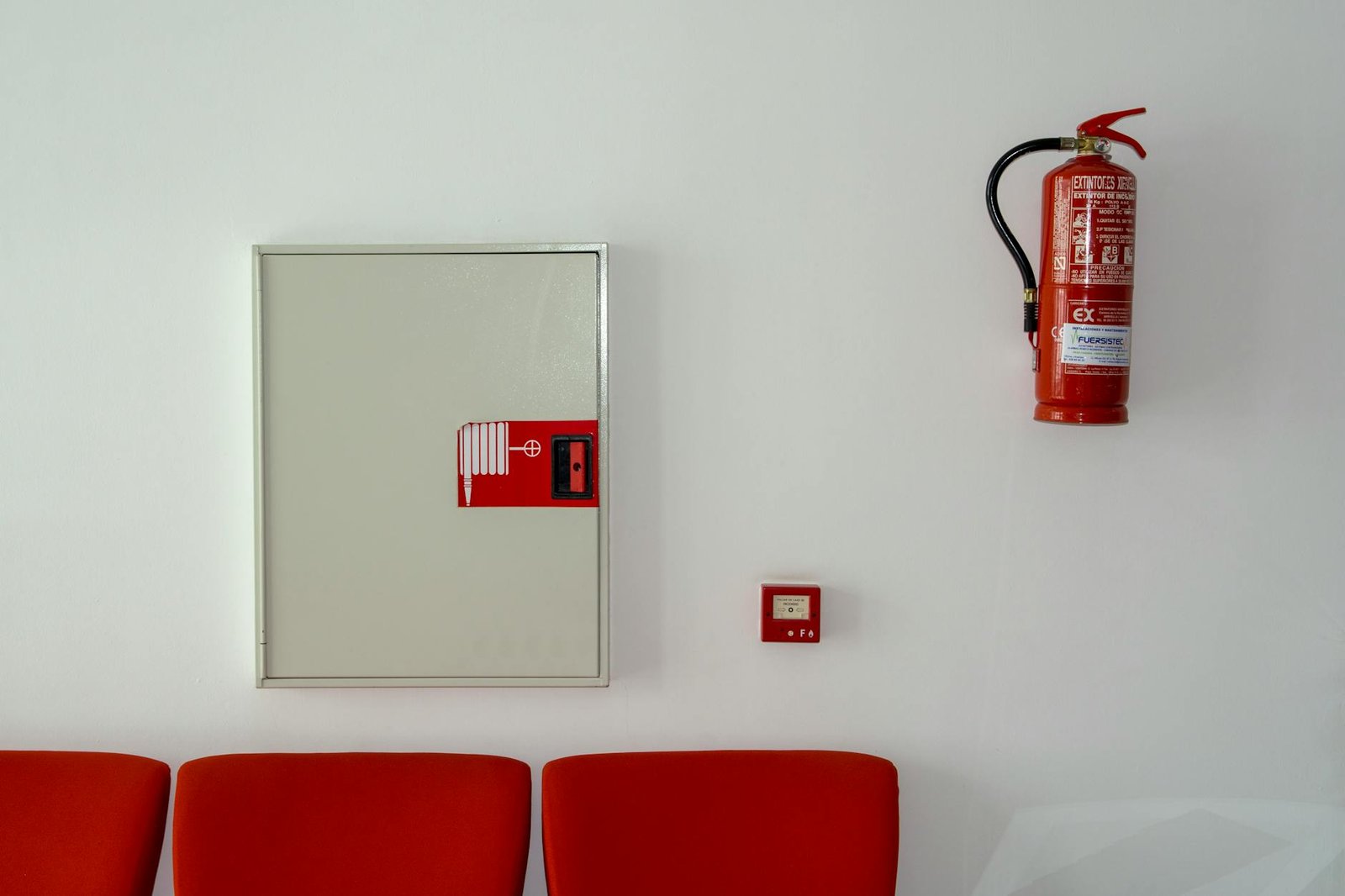
The fire safety landscape in India has undergone a significant transformation over the last decade. With rapid urbanization and the proliferation of high-rise commercial complexes, IT parks, and massive industrial warehouses, the reliance on passive fire protection is no longer sufficient. Active fire protection, specifically the strategic deployment of portable fire extinguishers, remains the first and most critical line of defense. As a professional in the facility management or construction sector, understanding the nuances of fire suppression is not merely a matter of operational efficiency; it is a legal mandate governed by stringent national codes.
Since Safex established 1972, we have witnessed the evolution of fire safety requirements from basic bucket-and-sand setups to sophisticated, code-compliant fire suppression systems. Whether you are managing a logistics hub in Gujarat or a high-density office space in Bengaluru, the principles of fire safety remain universal, anchored by the National Building Code (NBC) 2016 and specific Indian Standards. This guide serves as a definitive resource for professionals tasked with ensuring life safety and statutory compliance.
Understanding the Regulatory Framework: NBC 2016 and IS Standards
In India, fire safety is not a suggestion; it is a rigid legal framework. The National Building Code (NBC) 2016, Part 4, serves as the cornerstone for all fire and life safety requirements. It dictates the occupancy classifications, travel distances to fire exits, and the necessary fire-fighting installations required for different types of buildings.
However, when it comes to the technical specifications of portable fire extinguishers, the industry relies on IS 15683:2018. This standard specifies the performance, construction, and testing requirements for portable fire extinguishers. Compliance with IS 15683 is non-negotiable for any facility seeking a No Objection Certificate (NOC) from local fire departments. Furthermore, IS 2190 provides the code of practice for the selection, installation, and maintenance of these devices.
Facility managers often face the risk of severe penalties, including the sealing of premises or denial of insurance claims, if their fire safety equipment does not bear the ISI mark or fails to meet the maintenance cycles prescribed by these standards. Ignorance of these codes can lead to catastrophic liability issues, especially in the event of a fire incident where negligence is identified.
Strategic Selection and Placement of Extinguishers
Selecting the right extinguisher is not as simple as purchasing a standard unit for every room. The classification of fire—Class A (solids), Class B (flammable liquids), Class C (flammable gases), Class D (metals), and Class F (cooking oils)—dictates the extinguishing medium required.
For instance, an IT server room requires clean-agent or CO2 extinguishers to prevent damage to sensitive electronics, whereas a manufacturing plant with high-risk chemical storage requires specialized Dry Chemical Powder (DCP) or foam-based solutions. Under IS 2190, the placement of these units is critical. They must be mounted in conspicuous positions, free from obstruction, and within the specified travel distance for the occupants.
The cost of non-compliance is high, but the investment in quality equipment is manageable. For a standard 2kg ABC-type portable fire extinguisher, Indian buyers can expect to pay in the range of ₹1,500 to ₹3,000. Larger industrial-grade 9kg or 10kg units generally cost between ₹5,000 and ₹15,000, depending on the specifications and the quality of the propellant used. Investing in reputable brands ensures that the equipment functions under extreme stress, rather than failing during the critical first few seconds of an ignition.
The Human Element: Training and the PASS Method
Equipment is only as effective as the person operating it. A common failure point in Indian workplaces is the lack of staff training. During an emergency, panic often leads to the misuse of fire extinguishers. To standardize the response, every occupant should be trained in the PASS method, which is the internationally recognized protocol for operating portable fire extinguishers:
1. Pull: Pull the pin at the top of the extinguisher. This breaks the tamper seal and allows you to discharge the agent.
2. Aim: Aim at the base of the fire, not the flames. Extinguishing the flames themselves is ineffective because the fuel source continues to burn.
3. Squeeze: Squeeze the handle slowly to release the extinguishing agent.
4. Sweep: Sweep from side to side until the fire appears to be out. Continue to monitor the area for re-ignition.
Training should be conducted at least biannually. In high-risk environments, such as chemical warehouses or kitchens, quarterly drills are advised. Documentation of these training sessions is essential for compliance audits and insurance verification.
Maintenance and Statutory Inspections
Installing a fire extinguisher is only the beginning. IS 2190 mandates a rigorous schedule of inspections and maintenance. A fire extinguisher that has lost its pressure or has a clogged nozzle is a liability, not an asset.
Monthly inspections should be performed by an in-house safety officer to ensure that the pressure gauge is in the green zone, the safety pin is intact, and the nozzle is free of debris. Annual maintenance, however, must be conducted by certified professionals. This involves a thorough discharge test, hydrostatic pressure testing (where applicable), and recharging.
In India, environmental factors such as high humidity and extreme heat can degrade the chemical agents inside the extinguishers. Therefore, the maintenance cycle is not merely a formality but a technical necessity. Records of these inspections must be maintained in a dedicated register, which is one of the first documents requested by fire inspectors during a site visit.
Comparison of Fire Extinguisher Types
Choosing the right type of extinguisher is vital for facility safety. Below is a comparison of common types used in Indian industrial and commercial applications.
| Feature | Water (Stored Pressure) | DCP (Stored Pressure) | CO2 (Carbon Dioxide) |
| Primary Use | Class A (Paper/Wood) | Class A, B, C | Class B, Electrical |
| Conductive | Yes (Dangerous on Elec) | No | No |
| Residue | Leaves moisture | Leaves powder mess | None (Clean) |
| Typical Price | ₹2,500 – ₹4,500 | ₹1,500 – ₹6,000 | ₹3,500 – ₹12,000 |
Note: Prices are estimates based on standard capacities (2kg-9kg) and market fluctuations in the Indian region.
FAQ: Frequently Asked Questions
Q: Is it mandatory for every building in India to have fire extinguishers?
A: Yes, under NBC 2016, all commercial, industrial, and high-rise residential buildings must have adequate fire suppression systems, including portable fire extinguishers, to obtain the mandatory occupancy certificate and fire safety clearance.
Q: What is the significance of the ISI mark on fire extinguishers?
A: The ISI mark indicates that the product complies with IS 15683, ensuring that the extinguisher has been tested for safety, durability, and performance under Indian environmental conditions. Non-ISI products are often rejected by fire inspectors.
Q: How often should fire extinguishers be serviced?
A: According to IS 2190, extinguishers should be inspected monthly by the owner and serviced annually by a certified fire safety agency to ensure the propellant, chemical agent, and mechanical parts are fully functional.
Q: Can I use a water fire extinguisher on an electrical fire?
A: Absolutely not. Water is a conductor of electricity and can cause electrocution. For electrical fires, you must use CO2 or clean-agent extinguishers.
Q: What is the PASS method?
A: PASS stands for Pull (the pin), Aim (at the base of the fire), Squeeze (the handle), and Sweep (side to side). It is the standard operating procedure for all portable extinguishers.
Q: What is the cost difference between a basic and an industrial-grade extinguisher?
A: A basic 2kg ABC extinguisher for a small office costs approximately ₹1,500 to ₹3,000, while heavy-duty industrial units (9kg-10kg) with specialized coatings and high-pressure ratings can cost between ₹5,000 and ₹15,000.
The Role of Professional Audits
Beyond the installation of hardware, professional fire safety audits are the most effective way to identify vulnerabilities. An audit conducted by a reputable fire services firm will assess the risk profile of your building, verify the accessibility of extinguishers, and ensure that the staff is capable of responding to an emergency.
In the Indian context, where building layouts are often modified without updated safety plans, an audit provides a roadmap to bring the facility back into compliance with NBC 2016. This includes checking travel distances, ensuring fire signage is clearly visible, and confirming that the types of extinguishers provided align with the fire hazards present in each zone.
Liability and Compliance: The Legal Perspective
Facility managers often underestimate the legal weight of fire safety. If an incident occurs and the fire suppression equipment is found to be non-compliant, the burden of proof lies with the building owner or the facility manager. In recent years, Indian courts have become increasingly stringent regarding the liability of building owners for fire safety lapses.
Fines for non-compliance are the least of your concerns; the potential for criminal negligence charges in the event of a fatality is a significant risk. By adhering to IS 15683 and maintaining a clear record of equipment testing, you provide a legal safeguard for your organization. Documentation is the most powerful tool in your defense. Every extinguisher should have an inspection tag, and every maintenance check should be logged in a master safety register.
Conclusion
Fire safety is an ongoing responsibility that requires vigilance, technical knowledge, and an unwavering commitment to standards. From the moment a building is designed to the daily operational routine, fire suppression must be integrated into the infrastructure. By following the guidance provided in NBC 2016 and ensuring that all equipment meets the requirements of IS 15683, you not only protect your assets but also ensure the safety of every individual within your premises.
Since Safex established 1972, we have remained committed to setting the benchmark for fire safety in India. We understand that every facility is unique, and our approach has always been to combine world-class technology with practical, on-the-ground expertise. Whether you are upgrading your current system or designing a new one, prioritizing quality and compliance is the only path to genuine peace of mind.
Resources
For further information regarding fire safety standards and compliance protocols in India, please refer to the following official resources:
(Note: As per safety guidelines, always ensure that your fire safety service provider is licensed and that all equipment carries the necessary certification marks for your region.)