
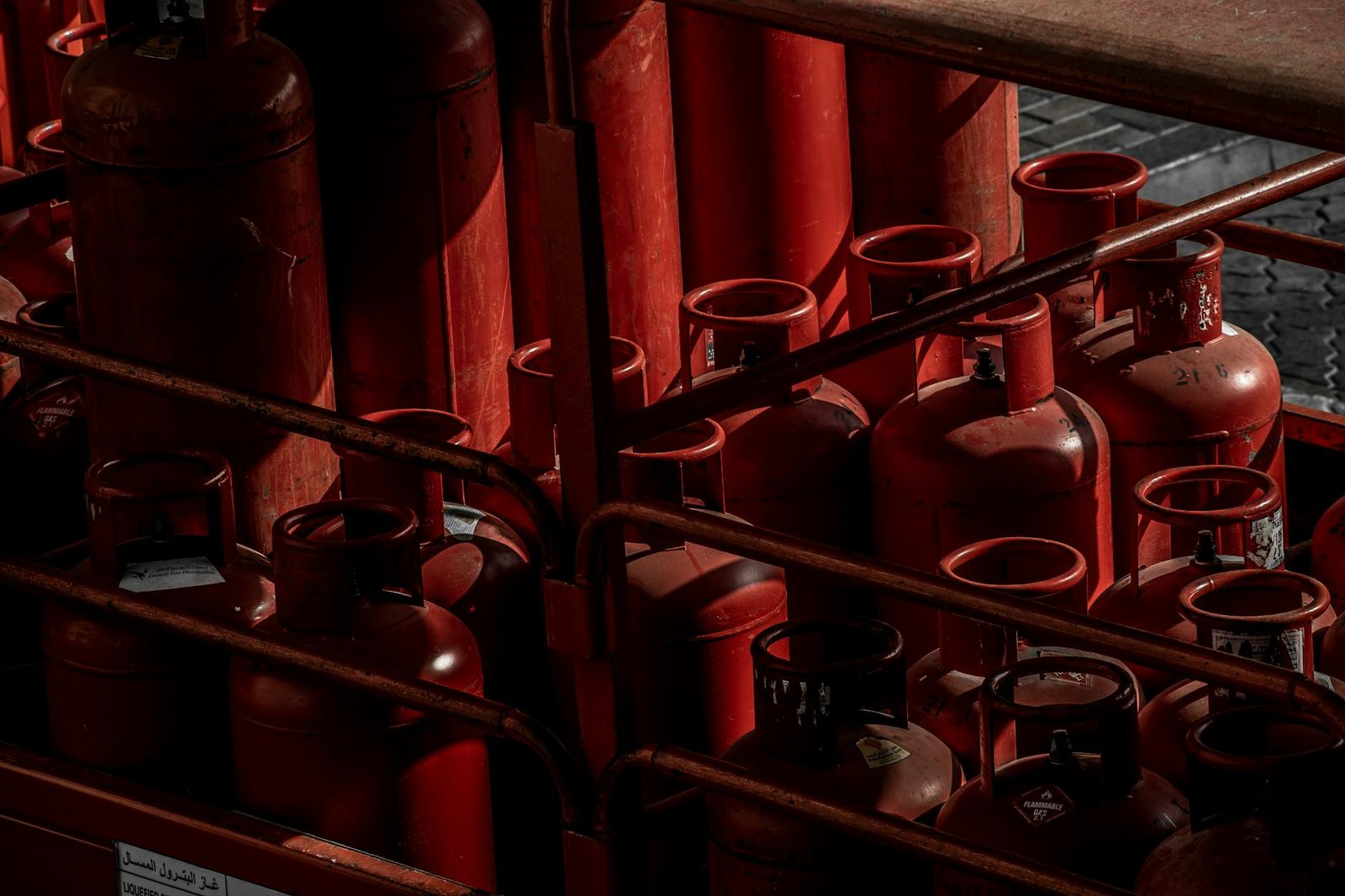
The rapid industrialization and urbanization of India have brought about significant changes in how we manage fuel and energy sources. Liquefied Petroleum Gas (LPG) remains a primary fuel for commercial kitchens, industrial heating processes, and residential complexes. However, the inherent risk of gas leaks—which are often invisible and odorless until they reach explosive concentrations—poses a severe threat to life and property. At Safex, we recognize that proactive detection is the first line of defense against catastrophic fire incidents. Safex established 1972, and since then, we have been at the forefront of fire safety engineering, helping Indian enterprises navigate the complexities of hazard mitigation and regulatory compliance.
The Critical Importance of LPG Gas Detection Systems
In the Indian context, the primary challenge with LPG is its high density compared to air. When a leak occurs, LPG settles in low-lying areas, such as floor drains, basements, or enclosed kitchen corners, creating a “hidden” bomb. Unlike natural gas, which dissipates upward, LPG requires specialized low-level detection strategies.
Facility managers in sectors ranging from hospitality to heavy manufacturing must prioritize the installation of gas detection systems as part of their broader fire safety strategy. Under the National Building Code (NBC 2016), fire safety is not merely about having extinguishers on the wall; it is about creating a holistic environment where hazards are identified and suppressed before they escalate. Integrating LPG detectors into a Building Management System (BMS) ensures that a leak triggers an immediate response, such as activating ventilation fans or shutting off the main gas solenoid valve, thereby preventing a disaster before it happens.
Understanding Compliance: IS Standards and NBC 2016
Compliance is not a suggestion in India; it is a legal and moral obligation. The Bureau of Indian Standards (BIS) provides the framework for equipment reliability. While IS 15683:2018 defines the standards for portable fire extinguishers, the selection and installation of gas detection systems must align with the broader directives found in IS 2190 and the safety protocols outlined in NBC 2016 Part 4.
NBC 2016 mandates that high-risk areas, such as commercial kitchens, boiler rooms, and storage facilities, must be equipped with automated detection systems. Relying solely on manual observation is a recipe for negligence. A properly calibrated LPG detector acts as a silent sentinel, operating 24/7. Failure to adhere to these standards can lead to severe legal consequences, including the revocation of occupancy certificates and heavy liability in the event of a fire-related injury or fatality. When you invest in a gas detector, you are investing in the legal shield of your organization.
Practical Implementation: Placement and Maintenance
Installing a gas detector is not a “set and forget” process. Because LPG is heavier than air, detectors must be installed at a height of 15 to 30 centimeters from the floor. Placing a detector on the ceiling will render it useless for LPG leaks, as the gas will have already accumulated in explosive quantities at the ground level long before the sensor detects it.
Maintenance is equally critical. Sensors have a finite lifespan, typically ranging from 3 to 5 years depending on the environmental conditions. Dust, humidity, and grease—common in Indian commercial kitchens—can contaminate the sensor element, leading to false negatives. We recommend a quarterly calibration check. For facility managers, this is a budget line item that should be prioritized. Expect to pay anywhere from ₹3,000 to ₹8,000 for a high-quality industrial-grade LPG detector, while sophisticated multi-zone control panels can range from ₹15,000 to ₹50,000 depending on the scale of the facility. Always ensure that your vendor provides an NABL-accredited calibration certificate to satisfy local fire department inspectors.
The Role of Fire Extinguishers and the PASS Method
While an LPG detector prevents an explosion, you must still be prepared for the eventuality of a fire. Once a fire starts, every second counts. If a small fire breaks out, the use of a portable fire extinguisher—compliant with IS 15683—is the standard response. It is imperative that all staff members in high-risk areas are trained in the PASS method:
1. Pull the pin: This unlocks the operating lever and allows you to discharge the extinguisher.
2. Aim low: Point the nozzle or hose at the base of the fire, not the flames.
3. Squeeze the lever: This releases the extinguishing agent.
4. Sweep from side to side: Moving the nozzle back and forth at the base of the fire until the flames appear to be extinguished.
For a standard 2kg Dry Chemical Powder (DCP) extinguisher, you can expect prices to fall in the range of ₹1,500 to ₹3,000, while a larger 6kg or 9kg unit for industrial use might cost between ₹4,000 and ₹7,000. These are small costs compared to the potential loss of a facility.
Comparison Table: Gas Detection vs. Manual Monitoring
| Feature | Automated LPG Detector | Manual Monitoring |
| Reaction Time | Milliseconds | Varies (Human dependent) |
| 24/7 Coverage | Continuous | Limited (Shift dependent) |
| Human Error | Negligible | High |
| Regulatory Compliance | Mandatory (per NBC 2016) | Insufficient |
| Cost Efficiency | High (prevents loss) | Low (high risk of damage) |
The table above illustrates the stark difference between relying on human vigilance versus technological automation. In industrial zones like the warehouses of Gujarat or the busy IT parks of Bengaluru, the cost of an automated system is negligible when contrasted with the potential for total operational shutdown.
FAQ: Frequently Asked Questions
Q: At what height should I install an LPG gas detector?
A: LPG is heavier than air, so it accumulates at floor level. According to safety protocols, you must install the detector 15 to 30 centimeters from the floor for maximum sensitivity.
Q: How often do I need to calibrate my gas detector?
A: We strongly recommend professional calibration every 6 to 12 months. In harsh industrial environments, quarterly checks are better to ensure the sensor hasn’t been fouled by dust or oil.
Q: Is a gas detector enough to meet fire safety regulations in India?
A: No. A detector is part of a larger system. You must also have fire extinguishers (compliant with IS 15683), fire hydrants, and a valid fire safety certificate as per NBC 2016 guidelines.
Q: What is the approximate cost of a reliable commercial LPG detector?
A: Basic standalone units start around ₹3,000, while integrated systems for large commercial kitchens can cost between ₹10,000 and ₹25,000, depending on the complexity and connectivity requirements.
Q: What should my team do if the alarm goes off?
A: Staff should immediately evacuate the area, avoid switching any electrical lights on or off (which could cause a spark), shut off the main gas supply if safe to do so, and contact the emergency response team.
Q: Can I use the same detector for CNG and LPG?
A: No. CNG is lighter than air and requires ceiling-level mounting, whereas LPG is heavier than air and requires floor-level mounting. Using the wrong sensor or placement is a significant safety risk.
Resource Links
There are currently no external resource links available that meet our strict quality and compliance guidelines. For further information regarding fire safety standards, please refer to the official documentation provided by the Bureau of Indian Standards (BIS) or your local Fire and Rescue Services department.
Conclusion
Fire safety is an ongoing commitment, not a one-time project. As facility managers and business owners, you hold the safety of your employees and assets in your hands. Implementing a robust LPG detection system is a critical step toward compliance and risk mitigation. By adhering to IS standards and the mandates of NBC 2016, you ensure that your facility is prepared for any emergency.
At Safex, our legacy is built on providing reliable, high-quality fire safety solutions. Safex established 1972, and our decades of experience have shown us that the most successful safety programs are those that integrate technology, training, and strict adherence to protocol. Do not wait for a leak to reveal a weakness in your system. Audit your facility today, ensure your detectors are placed correctly, and verify that your staff is trained in the PASS method for fire suppression. Your commitment to safety is the foundation of your business’s longevity.