
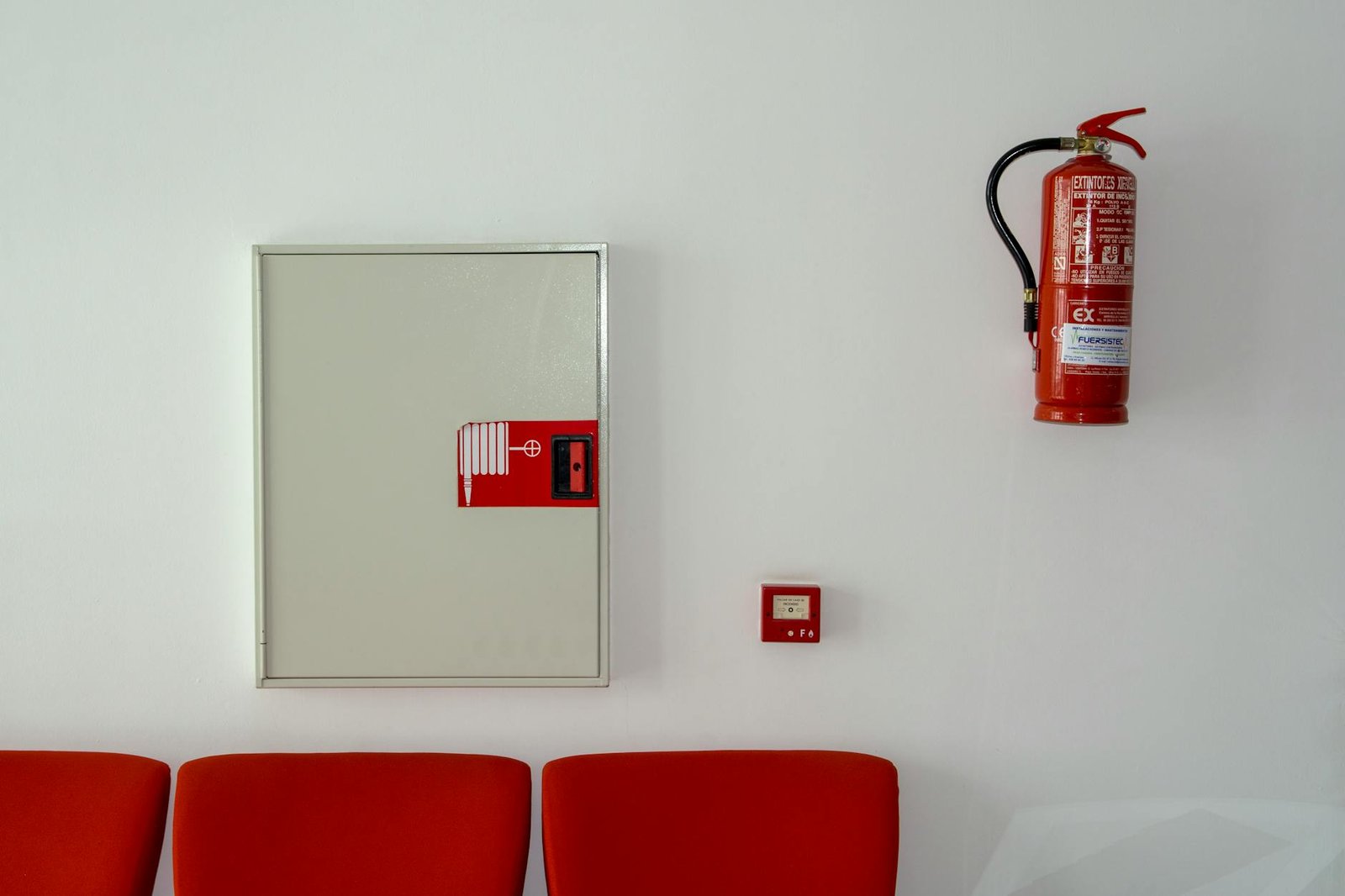
Fire safety is not merely a regulatory requirement in India; it is a fundamental aspect of operational continuity and human life protection. For facility managers, architects, and business owners, navigating the complexities of fire safety infrastructure requires a deep understanding of both the physical equipment and the legal framework that governs their installation. Since Safex established 1972, we have witnessed the evolution of fire safety mandates in India, moving from rudimentary fire buckets to sophisticated, automated fire suppression systemss.
The primary objective of this guide is to provide a roadmap for selecting, installing, and maintaining fire fighting equipment in accordance with the National Building Code (NBC 2016) and relevant Indian Standards (IS). Compliance is not optional—failure to adhere to these standards can result in severe legal penalties, the revocation of occupancy certificates, and, most tragically, the loss of life during fire incidents.
The Regulatory Framework: Understanding NBC 2016 and IS Standards
In India, the National Building Code (NBC 2016) serves as the definitive reference for fire and life safety. Part 4 of the NBC 2016 outlines the requirements for fire prevention, life safety, and fire protection. It dictates the minimum standards for building materials, exit requirements, and the necessity of fire detection and suppression systems based on the occupancy type, height, and area of the building.
When selecting fire fighting equipment, one must strictly adhere to Indian Standards (IS). For instance, portable fire extinguishers are governed by IS 15683:2018. This standard specifies the design, construction, performance, and testing requirements for portable fire extinguishers. Using equipment that does not carry the IS certification is a significant risk; such products often fail during critical moments due to poor valve construction, improper pressure retention, or inferior extinguishing agents.
Furthermore, IS 2190 provides the code of practice for the selection, installation, and maintenance of first-aid fire fighting equipment. This standard ensures that extinguishers are not just purchased, but correctly distributed throughout a facility based on fire load calculations. For a warehouse in an industrial hub like Gujarat or an IT park in Bengaluru, the fire load differs significantly, necessitating a tailored approach to equipment placement.
Essential Fire Fighting Equipment for Indian Facilities
An effective fire safety strategy involves a multi-layered approach. It begins with active fire suppression systems and extends to detection and alarm systems.
1. Portable Fire Extinguishers
Portable extinguishers are the first line of defense. According to IS 15683, these must be categorized by the type of fire they are designed to suppress (Class A, B, C, or K).
– water fire extinguishers: Ideal for Class A fires (wood, paper, textiles).
– Dry Chemical Powder (DCP): Versatile for Class B and C fires.
– CO2 Extinguishers: Essential for electrical fires, as they do not leave a residue.
– Wet Chemical: Specifically designed for commercial kitchen fires (Class K).
In terms of investment, small 2kg extinguishers typically range from ₹1,500 to ₹3,000, while larger industrial-grade 6kg to 9kg units range from ₹5,000 to ₹15,000 depending on the agent and construction.
2. Fire Hydrant Systems
For larger commercial or residential complexes, fire hydrant systems are mandatory under NBC 2016. These systems consist of a network of pipes, pumps, and hose reels that provide a continuous supply of water for fire fighting. The maintenance of these systems—ensuring pump health, checking for pipe leaks, and verifying water storage capacity—is critical to preventing total system failure during a fire emergency.
3. Fire Detection and Alarm Systems
Early detection is the difference between a minor incident and a catastrophe. Modern systems integrate smoke detectors, heat sensors, and manual call points. These must be linked to a central fire alarm panel that alerts security personnel and, in advanced systems, automatically triggers emergency protocols like elevator homing and fire door release.
Operational Proficiency: The PASS Method
Having the right equipment is useless if the occupants do not know how to use it. Every employee in an Indian workplace should be trained in the PASS method to operate portable fire extinguishers effectively:
– Pull: Pull the pin at the top of the extinguisher. This breaks the tamper seal and allows you to discharge the agent.
– Aim: Aim the nozzle or hose at the base of the fire, not the flames. The goal is to extinguish the fuel source.
– Squeeze: Squeeze the handle to release the extinguishing agent.
– Sweep: Sweep from side to side at the base of the fire until it appears to be out.
Training sessions should be conducted at least bi-annually. In high-risk environments like chemical manufacturing plants or data centers, quarterly training is recommended to ensure muscle memory during a high-stress emergency.
Comparative Analysis of Fire Safety Solutions
The following table outlines the differences between common fire fighting equipment types regarding their application, maintenance requirements, and cost-effectiveness.
| Equipment Type | Best Application | Maintenance Frequency | Cost Range (Approx.) |
| Portable DCP Extinguisher | General offices, warehouses | Annual (Refill/Check) | ₹2,000 – ₹6,000 |
| CO2 Extinguisher | Electrical server rooms | Annual (Pressure test) | ₹3,500 – ₹9,000 |
| Fire Hydrant System | Large buildings/High-rises | Monthly (Pump checks) | ₹5,00,000+ (System) |
| Fire Alarm System | Entire building coverage | Quarterly (Sensor test) | ₹1,00,000+ (System) |
Note: Prices are estimates based on market standards in India. Actual costs depend on brand, capacity, and installation complexity.
The Cost of Non-Compliance and Liability
In India, the legal landscape regarding fire safety has become increasingly stringent. Under the Factories Act, 1948, and various state-level fire safety acts, the occupier or owner is legally responsible for maintaining adequate fire fighting equipment.
The financial implications of non-compliance go beyond equipment costs. If a fire occurs and safety equipment is found to be non-functional, expired, or non-compliant with IS standards, insurance claims are routinely rejected. Furthermore, the legal liability for the loss of life or property can lead to criminal charges against facility managers and directors.
For instance, in a commercial office space, failing to maintain fire extinguishers according to IS 15683 might save a few thousand rupees in service costs annually, but it exposes the organization to millions in potential damages and legal fallout. Investing in high-quality, certified equipment is a risk-mitigation strategy, not just an operational expense.
Maintenance and Lifecycle Management
Equipment lifecycle management is often overlooked. A fire extinguisher has a finite service life. Even if it remains unused, the pressure gauge may lose its charge, or the chemical agent may settle or clump over time.
Facility managers should maintain a fire safety logbook. This logbook must record:
1. Dates of all inspections.
2. Details of any equipment replaced or recharged.
3. Records of staff training and mock drills.
According to IS 2190, extinguishers should be inspected monthly to ensure they are in their designated locations and that the pressure gauge is in the ‘green’ zone. An annual maintenance contract (AMC) with a certified fire safety provider is the best way to ensure that your equipment remains in a state of operational readiness.
Frequently Asked Questions (FAQ)
Q: How often must I replace my portable fire extinguishers?
A: While extinguishers don’t have a strict expiration date, they must be serviced annually. Depending on the type, they may require hydrostatic testing every 3-5 years as per IS 15683. If an extinguisher is damaged or shows signs of corrosion, it must be replaced immediately.
Q: Are there specific fire safety requirements for small offices in India?
A: Yes, NBC 2016 applies to all commercial occupancies. Even small offices should have at least one 4kg DCP extinguisher and a clear evacuation plan. Compliance is determined by the size and occupancy load of the premises.
Q: What is the PASS method and why is it important?
A: The PASS method (Pull, Aim, Squeeze, Sweep) is the industry-standard technique for using a fire extinguisher. It ensures that the user targets the base of the fire efficiently, maximizing the impact of the limited amount of extinguishing agent available.
Q: How much should I budget for basic fire safety equipment?
A: For a standard small office setup, you should budget between ₹10,000 and ₹25,000 for initial equipment, including 2-4 portable extinguishers and basic signage. Larger facilities require significant investment in hydrant and alarm systems.
Q: Can I use imported fire extinguishers without IS certification?
A: No. Indian law and insurance requirements dictate that all fire fighting equipment installed in India must comply with the relevant Indian Standards (IS). Using non-certified equipment can lead to legal complications and the rejection of fire insurance claims.
Q: What should I look for when hiring a fire safety maintenance provider?
A: Always verify their credentials, look for experience with the National Building Code (NBC 2016), and ensure they provide detailed documentation for all service work. A reputable provider will offer clear, transparent pricing and adhere to IS 2190 guidelines for maintenance.
Resources
For further guidance on fire safety compliance in India, please refer to the following official resources:
Conclusion
Fire safety is a continuous process, not a one-time setup. From the initial risk assessment and equipment selection to the rigorous adherence to IS 15683 and NBC 2016, every step is vital in protecting your people and your assets. As we have seen, the cost of compliance is negligible when compared to the cost of a catastrophic fire event. Since Safex established 1972, we have remained committed to providing the technical expertise and high-quality equipment necessary to keep Indian businesses safe. Ensure your facility is audit-ready, your team is trained in the PASS method, and your equipment is maintained by professionals who understand the critical nature of fire protection.