
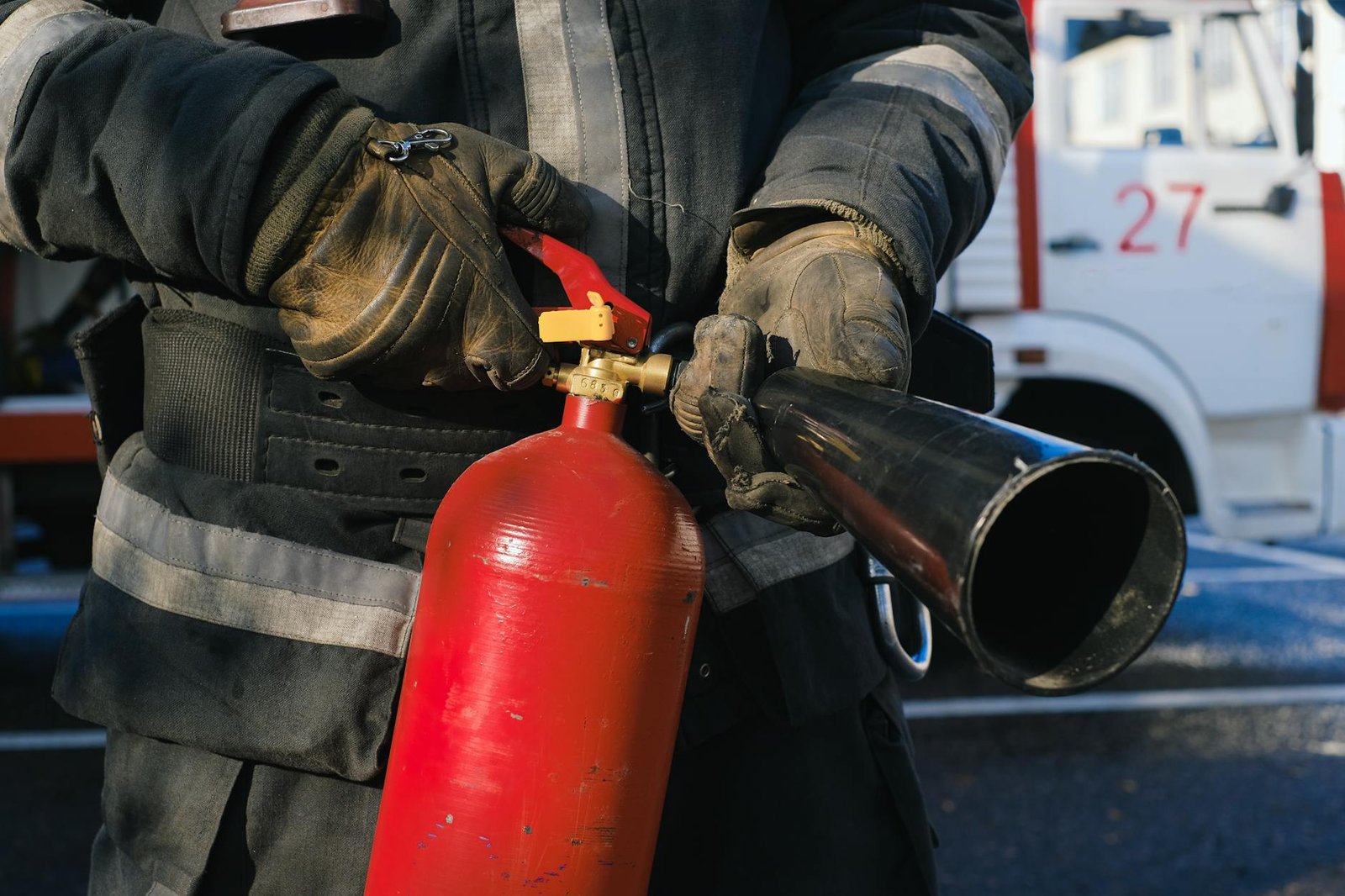
Fire safety is not merely a box-ticking exercise for property owners or facility managers in India; it is a fundamental pillar of operational continuity and human safety. Whether you are managing a high-rise IT park in Bengaluru, a bustling warehouse in Gujarat, or a manufacturing unit in the industrial belts of Maharashtra, your fire suppression equipment is your first and most critical line of defense. However, simply installing fire extinguishers is insufficient. The effectiveness of these devices relies heavily on regular maintenance and, crucially, timely refilling.
Since Safex established 1972, we have observed a recurring trend: companies prioritize the initial purchase of fire safety equipment but often neglect the lifecycle management of these assets. This oversight can lead to catastrophic failures during an actual emergency. Compliance with the National Building Code (NBC 2016) and relevant Indian Standards is not just a legal requirement but a moral obligation to protect lives and infrastructure. This guide provides a deep dive into the technical requirements for fire extinguisher refilling, the legal framework governing these services, and the practical steps facility managers must take to ensure their premises remain fire-safe.
The Regulatory Framework: Why Refilling Matters
In India, the maintenance and refilling of fire extinguishers are governed by strict protocols. The primary document guiding these efforts is IS 2190, which covers the selection, installation, and maintenance of first-aid fire extinguishers. Furthermore, the NBC 2016 (National Building Code of India) Part 4, “Fire and Life Safety,” mandates that all fire protection systems must be kept in working order at all times.
When an extinguisher is discharged—even partially—the internal pressure required to expel the extinguishing agent is compromised. Even if a unit has not been used, the extinguishing agent (whether it is dry chemical powder, CO2, or foam) can settle or degrade over time. Moisture ingress is a significant risk in India’s humid climate, leading to the caking of dry chemical powders, which renders the device useless during an emergency.
Refilling is not just about topping up the agent; it is a comprehensive maintenance process. It involves hydrostatic pressure testing (as required by IS 15683), checking the nozzle, verifying the integrity of the discharge hose, and ensuring the pressure gauge is reading within the green zone. Failure to adhere to these standards can lead to legal complications, heavy fines, and the invalidation of insurance claims in the event of a fire incident.
Understanding IS 15683 and the Maintenance Cycle
IS 15683:2018 is the definitive standard for portable fire extinguishers in India. It specifies the construction, performance, and testing requirements for these units. For a facility manager, understanding this standard is crucial when selecting a service provider for refilling. A professional refilling service must ensure that the unit complies with the pressure ratings and agent quality specified in IS 15683.
The maintenance cycle typically involves three levels:
1. Monthly Inspection: A visual check by the facility team to ensure the extinguisher is in its designated place, the seal is intact, and the pressure gauge is functional.
2. Annual Maintenance: A professional service that includes a thorough check of the cylinder body, internal cleaning, and testing of mechanical parts.
3. Hydrostatic Testing: Depending on the type of extinguisher, the cylinder must undergo a pressure test every 3 to 5 years to ensure it can withstand operating pressures without rupturing.
Neglecting these intervals is a common violation in many commercial buildings. When you outsource your refilling to an expert, ensure they provide a certificate of inspection and a service tag that clearly marks the next due date. This documentation is essential for fire safety audits conducted by local municipal corporations or state fire departments.
The PASS Method: Using Your Equipment Correctly
Having a refilled and fully functional fire extinguisher is only effective if the occupants of your building know how to use it. During our site visits, we often train staff on the PASS method. If you are ever faced with a fire, follow these steps:
If the fire is too large or spreading rapidly, do not attempt to fight it. Evacuate the premises immediately and contact the local fire brigade. The PASS method is effective for incipient-stage fires, but safety must always be the priority.
Cost Considerations for Professional Refilling
In the Indian market, the cost of fire extinguisher maintenance varies based on the capacity and type of the extinguisher. As a facility manager, you should be wary of extremely low-cost providers, as they often skip critical steps like replacing O-rings, re-testing cylinders, or using inferior quality extinguishing agents.
Below are typical price ranges for professional maintenance and refilling services in India:
Investing in quality service is cheaper than the cost of a fire-related shutdown or the loss of life. Always request a formal invoice that details the specific work performed and the chemicals used.
Comparative Analysis of Fire Extinguisher Maintenance
The following table provides a comparison between different types of maintenance approaches for fire safety equipment.
| Maintenance Type | Frequency | Key Activities | Compliance Focus |
| Visual Inspection | Monthly | Pressure gauge check, seal verification, location check | Basic NBC requirement |
| Annual Maintenance | Yearly | Full discharge, internal cleaning, valve lubrication | IS 2190 adherence |
| Hydrostatic Testing | Every 3-5 Years | Pressure testing, cylinder integrity check | IS 15683 compliance |
| Emergency Refill | Post-Usage | Agent replenishment, part replacement | Life safety & liability |
FAQ: Common Questions from Facility Managers
Q: How often must I refill my fire extinguishers?
A: According to IS 2190, extinguishers should be inspected annually. If the pressure gauge indicates a drop, or if the unit has been used, it must be refilled immediately.
Q: Can I refill an extinguisher myself?
A: No. Refilling requires specific equipment to ensure the correct pressure levels and the integrity of the cylinder. Attempting to refill without proper certification is dangerous and violates safety codes.
Q: What is the cost of refilling a standard 6kg ABC powder extinguisher?
A: In India, a professional refill for a 6kg ABC extinguisher typically costs between ₹1,500 and ₹2,500, depending on the service provider and the quality of the powder used.
Q: Why does the pressure gauge needle move out of the green zone?
A: This usually indicates a leak in the valve assembly, a punctured hose, or a faulty gauge. It is a critical warning sign that the unit needs immediate professional service.
Q: Does the PASS method work for all fire types?
A: The PASS method is a universal technique for operating extinguishers. However, ensure you are using the correct extinguisher class (e.g., CO2 for electrical, Foam for flammable liquids) for the specific fire.
Q: What happens if I fail to maintain my fire safety equipment?
A: Beyond the obvious risk to life, you face severe legal penalties during fire audits, potential voiding of your fire insurance policies, and liability in the event of an accident.
Resources and Further Reading
To ensure your facility remains compliant with the latest Indian standards, we recommend consulting the following authoritative resources:
Conclusion: A Legacy of Safety
Fire safety is an ongoing commitment that requires diligence, technical expertise, and a proactive approach. In an era where building complexity is increasing, relying on outdated or poorly maintained equipment is a risk no organization can afford to take. Whether it is ensuring your staff is trained in the PASS method or verifying that your equipment meets the rigorous requirements of IS 15683 and NBC 2016, professional guidance is essential.
Safex established 1972, and for over five decades, we have remained at the forefront of the Indian fire safety industry. Our mission has always been to provide not just equipment, but the peace of mind that comes from knowing your facility is protected by the highest standards of safety. We encourage all facility managers and building owners to treat fire extinguisher refilling and maintenance as a non-negotiable aspect of their operational strategy. By choosing certified, professional maintenance, you are investing in the safety of your employees, the protection of your assets, and the longevity of your business. Stay compliant, stay prepared, and ensure that your safety systems are always ready to perform when it matters most.