
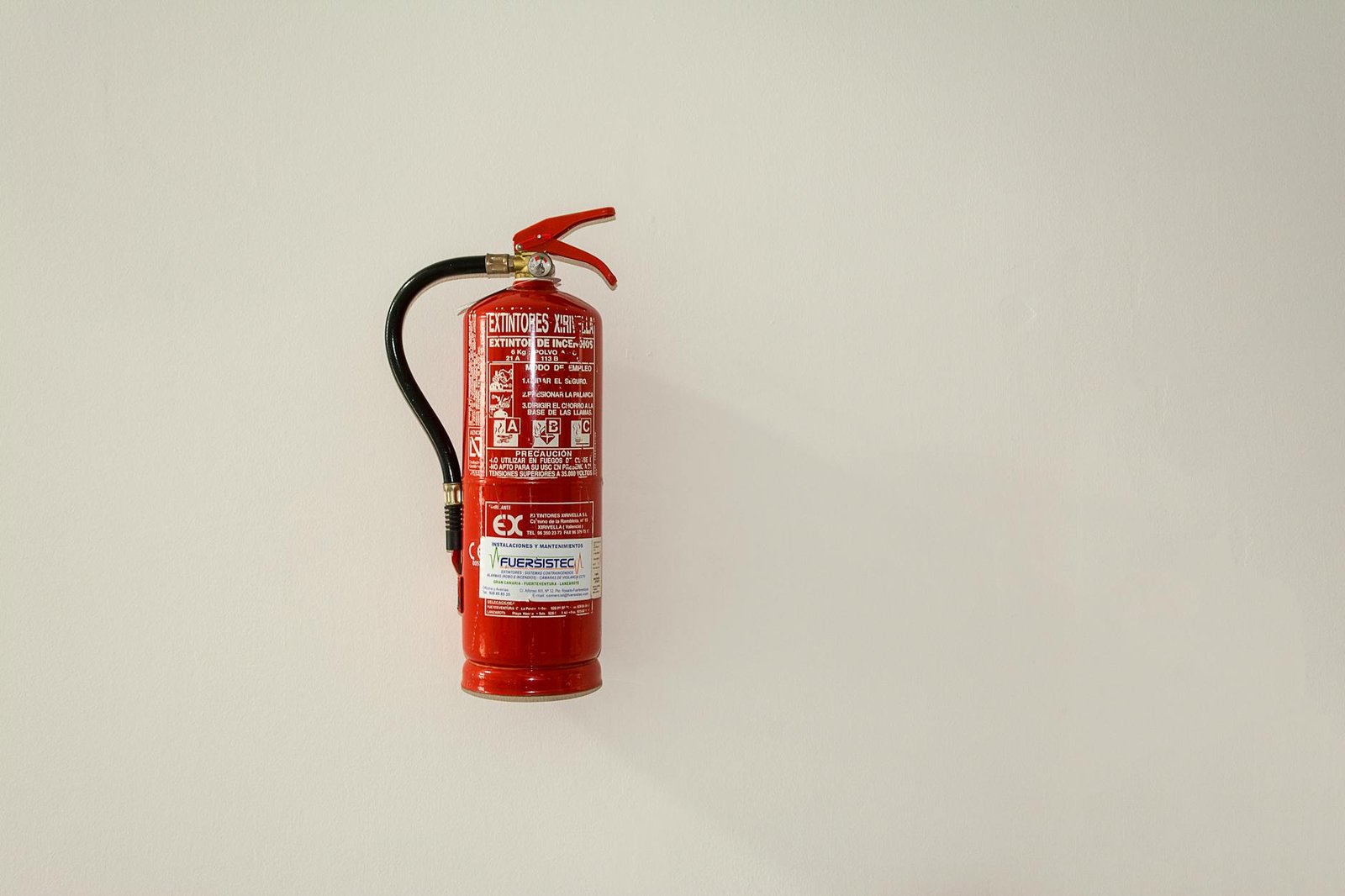
Fire Extinguisher Price 4kg: A Comprehensive Guide for Facility Managers in India
Selecting the right fire safety equipment is not merely a procurement task; it is a critical investment in life safety and regulatory compliance. For facility managers, architects, and business owners across India, understanding the nuances of fire extinguisher pricing—specifically for the highly versatile 4kg capacity units—is essential. Whether you are managing a high-rise IT park in Bengaluru or a textile warehouse in Gujarat, your equipment must meet stringent national standards to be effective and legally compliant. Since Safex established 1972, we have observed that cost-cutting on safety equipment often leads to catastrophic legal and operational liabilities. This guide provides an in-depth look at the pricing, technical requirements, and installation standards necessary to ensure your premises are protected.
Understanding the Pricing Landscape for 4kg Fire Extinguishers
When researching the fire extinguisher price for a 4kg unit, it is vital to understand that the price is a reflection of quality, certification, and the extinguishing agent used. In the Indian market, you will typically find 4kg extinguishers priced in the range of ₹2,000 to ₹5,000.
A unit priced at the lower end of the spectrum may lack the necessary BIS (Bureau of Indian Standards) certification or utilize inferior valve assemblies and pressure gauges. Conversely, a premium 4kg extinguisher, compliant with IS 15683, will feature robust steel cylinders, high-grade powder or gas agents, and precision-engineered discharge mechanisms. For industrial or commercial applications, we strongly advise against choosing based solely on the lowest price. Factors such as the warranty period, the ease of refilling, and the availability of spare parts are what determine the long-term value of your investment. Always ensure that the supplier provides a valid test certificate conforming to IS 15683:2018, which governs the performance and construction of portable fire extinguishers.
Compliance and Regulatory Framework: NBC 2016 and IS Standards
In India, fire safety is not a suggestion; it is a legal mandate. The National Building Code (NBC 2016) serves as the primary reference for fire and life safety in buildings. Part 4 of the NBC 2016 outlines the specific requirements for the installation and maintenance of fire protection systems. Failure to adhere to these guidelines can result in the rejection of your building’s Occupancy Certificate (OC), heavy fines, and severe liability in the event of a fire incident.
Beyond the NBC, your equipment must comply with IS 2190, which provides the code of practice for the selection, installation, and maintenance of portable fire extinguishers. According to these standards, a 4kg extinguisher is often the “sweet spot” for small to medium-sized office cabins, server rooms, and retail spaces. It provides enough capacity to suppress a developing fire without being too heavy for an average person to operate effectively. When you invest in equipment that meets these standards, you are not just buying a canister; you are buying the assurance that the device will function correctly during a crisis.
Operational Effectiveness: The PASS Method
Having the right fire extinguisher is only half the battle. The other half is ensuring that your staff knows how to use it. Many fire safety audits reveal that while buildings are equipped with the necessary hardware, the occupants are untrained. In any emergency, the PASS method is the industry-standard procedure for operating portable fire extinguishers:
1. Pull: Pull the pin at the top of the extinguisher. This breaks the tamper seal and allows you to discharge the agent.
2. Aim: Aim the nozzle or hose at the base of the fire, not the flames themselves. Aiming at the flames will only scatter the fire.
3. Squeeze: Squeeze the handle slowly and evenly to release the extinguishing agent.
4. Sweep: Sweep the nozzle from side to side at the base of the fire until it appears to be out.
Practicing this method during mock drills is a requirement under most fire safety audit protocols. A 4kg unit is particularly well-suited for this, as its weight allows for better control during the “Sweep” phase compared to larger 9kg or 12kg units.
Strategic Procurement: Quality vs. Cost
When procuring equipment, facility managers often face pressure to minimize costs. However, a “cheap” extinguisher that fails to discharge due to a faulty valve or a corroded cylinder is a liability, not an asset. When comparing the fire extinguisher price for a 4kg model, consider the total cost of ownership.
A high-quality 4kg ABC powder extinguisher might cost ₹3,000, while a lower-quality alternative might be available for ₹1,800. The difference of ₹1,200 is negligible compared to the cost of potential fire damage, insurance premium hikes, or the legal consequences of non-compliance. Furthermore, industrial-grade extinguishers designed for high-risk environments may cost between ₹5,000 and ₹8,000 depending on the specialized extinguishing agent (such as Clean Agent or CO2). Always verify that the manufacturer has a track record of reliability. Since Safex established 1972, we have consistently advocated for the use of BIS-marked equipment to ensure that your safety infrastructure remains robust throughout its service life.
Comparison of Common Fire Extinguisher Types
The following table provides a comparison of common extinguisher types often found in Indian commercial and industrial settings.
| Extinguisher Type | Best Suited For | Typical 4kg Price Range | Maintenance Requirement |
| ABC Powder | Wood, Paper, Electrical | ₹2,000 – ₹3,500 | Annual Hydrostatic Test |
| CO2 (Carbon Dioxide) | Electrical/Server Rooms | ₹3,500 – ₹5,500 | Check weight every 6 months |
| Clean Agent | Sensitive IT Equipment | ₹4,500 – ₹7,000 | Annual Pressure Check |
| Water/Foam | General Combustibles | ₹2,200 – ₹3,800 | Annual Refill/Inspection |
Frequently Asked Questions
Q: What is the significance of IS 15683 for a 4kg fire extinguisher?
A: IS 15683 is the Indian Standard for portable fire extinguishers. It specifies the requirements for construction, performance, and testing. An extinguisher meeting this standard ensures reliability, safety, and compatibility with Indian fire safety regulations.
Q: How often should I replace or refill my 4kg fire extinguisher?
A: According to IS 2190, extinguishers must be inspected monthly and undergo a comprehensive maintenance check annually. Refilling is mandatory after every use or if the pressure gauge needle falls out of the green zone.
Q: Is a 4kg extinguisher sufficient for an office of 1000 square feet?
A: NBC 2016 provides specific calculations based on fire load and hazard classification. While a 4kg unit is excellent for localized protection, a 1000 sq. ft. area may require multiple units strategically placed to ensure the travel distance to an extinguisher does not exceed the recommended limits.
Q: What is the difference between an ABC powder and a CO2 extinguisher?
A: ABC powder is a multi-purpose agent effective on Class A, B, and C fires. CO2 is primarily used for Class B (flammable liquids) and electrical fires, as it leaves no residue, making it ideal for delicate server rooms.
Q: Why is the price of a 4kg CO2 extinguisher higher than an ABC powder unit?
A: CO2 extinguishers require thicker, high-pressure steel cylinders to contain the gas safely, and the nozzle assembly is more complex to handle the rapid cooling effect of the discharge, which increases manufacturing costs.
Q: Can I use the PASS method on any fire?
A: The PASS method is effective for small, incipient fires. If a fire is large, spreading rapidly, or producing heavy smoke, do not attempt to fight it. Evacuate immediately and contact the fire department.
Resources
For further technical specifications regarding fire safety compliance and equipment standards, please consult the following official resources:
Conclusion
Fire safety is an ongoing responsibility that requires vigilance, the right equipment, and regular maintenance. When evaluating the fire extinguisher price for a 4kg unit, prioritize quality and adherence to IS 15683 to ensure your facility remains compliant and, more importantly, safe. From the initial installation to the routine maintenance intervals mandated by IS 2190, every step is a safeguard against the unpredictable nature of fire. Safex established 1972, and over these five decades, we have remained committed to providing expert guidance and high-quality fire protection solutions to businesses across India. Ensure your facility is prepared by choosing certified equipment that stands the test of time and regulation.