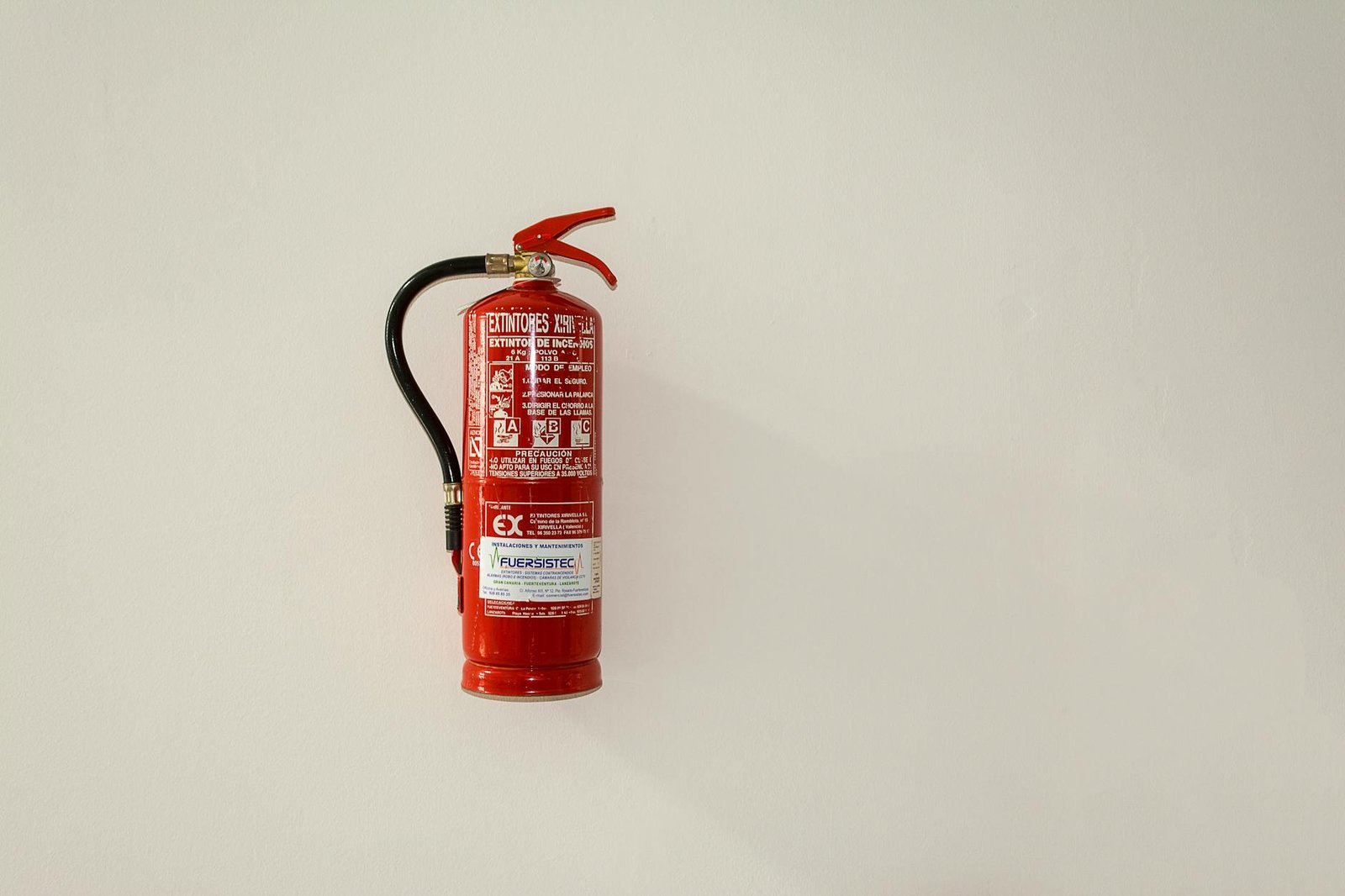
In the complex landscape of industrial and commercial fire safety, the term “fire cylinder gas” is often used colloquially to refer to the extinguishing agents stored within portable fire extinguishers. For facility managers, safety officers, and building owners across India, understanding the chemistry behind these agents is not merely a technical exercise—it is a critical requirement for regulatory compliance and life safety. Whether you are managing a high-density IT park in Bengaluru or a chemical warehouse in Gujarat, the selection of the correct fire extinguishing medium is governed by the risk profile of your occupancy.
Safex established 1972, and for over five decades, we have witnessed the evolution of fire safety infrastructure in India. We have moved from basic bucket-based suppression to sophisticated, code-compliant systems designed to meet the rigorous demands of the National Building Code (NBC 2016). When you select a fire cylinder, you are not just buying a metal canister; you are investing in a life-saving tool that must perform under extreme duress. This guide demystifies the types of gases and agents used in fire safety equipment and ensures your facility remains compliant with Indian Standards.
Understanding Extinguishing Agents and Fire Classes
To select the right “gas” or agent, one must first categorize the fire risk. According to IS 2190, fires are classified based on the fuel source. Using the wrong agent can be catastrophic. For instance, using water on a live electrical panel or a flammable liquid fire can lead to electrocution or the spread of the fire.
Carbon Dioxide (CO2)
Carbon Dioxide is the gold standard for electrical fires (Class C). It works by displacing oxygen and cooling the fuel source. Because it is a clean agent, it leaves no residue, making it ideal for server rooms, laboratories, and electrical control panels. In India, a standard 2kg CO2 extinguisher typically ranges from ₹2,500 to ₹4,500, while larger 4.5kg industrial units can range from ₹5,000 to ₹9,000.
Dry Chemical Powder (DCP)
DCP is the most common multipurpose agent. It is highly effective for Class A, B, and C fires. It creates a chemical barrier that interrupts the combustion process. It is the workhorse of industrial safety. These units are affordable, usually costing between ₹1,500 and ₹3,500 for a 2kg to 4kg unit. However, they leave a corrosive residue that can damage sensitive electronics.
Clean Agents (HFCs and Inert Gases)
In modern data centers and precision manufacturing, Clean Agents like HFC-227ea or FK-5-1-12 are used as alternatives to Halon. These are non-conductive, leave no residue, and are safe for human exposure in occupied spaces. They are significantly more expensive, often requiring specialized installation and system design, with total costs for fire suppression systems ranging from ₹50,000 to several lakhs depending on the volume of the room.
Compliance and Standards: The Role of IS 15683 and NBC 2016
Compliance is the foundation of fire safety in India. The National Building Code (NBC 2016) Part 4 provides the framework for fire and life safety, mandating specific types and quantities of fire extinguishers based on the building’s height, occupancy type, and fire load.
All portable fire extinguishers installed in your facility must adhere to IS 15683:2018. This standard specifies the design, construction, and testing requirements for portable fire extinguishers. When purchasing, always ensure the cylinders bear the ISI mark. Using non-certified equipment is not only a violation of safety laws but also puts your insurance coverage and building occupancy certificate at risk.
In industrial zones like Gujarat or Maharashtra, fire inspectors frequently check for compliance with IS 2190, which dictates the selection, installation, and maintenance of these units. Failure to maintain these cylinders—or worse, installing sub-standard, non-ISI marked cylinders—can lead to heavy fines, legal liability in the event of an accident, and the potential closure of the facility by local municipal authorities.
The PASS Method: Practical Operational Guidance
Even the most expensive, high-tech fire cylinder is useless if the operator does not know how to deploy it effectively. Every staff member in your facility should be trained in the PASS method. Regular fire drills are not just a recommendation; they are a requirement for maintaining a safe working environment.
1. Pull: Pull the pin at the top of the extinguisher. This breaks the tamper seal and allows you to discharge the agent.
2. Aim: Aim the nozzle or hose at the base of the fire, not at the flames themselves. The fuel source is at the base.
3. Squeeze: Squeeze the handle slowly and evenly to release the extinguishing agent.
4. Sweep: Sweep the nozzle from side to side at the base of the fire until the flames appear to be extinguished. Watch the area closely; if the fire reignites, repeat the process.
For facility managers, ensure that your extinguishers are mounted at visible, accessible heights as per IS 2190. Obstruction by office furniture or inventory is a common compliance failure during fire safety audits.
Comparison of Common Fire Extinguishing Agents
The following table provides a breakdown of common agents used in fire extinguishers to assist in procurement decisions for your facility.
| Agent Type | Primary Use (Fire Class) | Residue | Typical Cost (2-4kg unit) |
| Carbon Dioxide (CO2) | Class C (Electrical) | None | ₹2,500 – ₹5,000 |
| Dry Chemical Powder (DCP) | Class A, B, C | Moderate/Corrosive | ₹1,500 – ₹3,000 |
| Water (Stored Pressure) | Class A (Solids) | Water Damage | ₹1,200 – ₹2,500 |
| Clean Agent | Class C (Sensitive) | None | ₹8,000 – ₹15,000+ |
Note: Prices are estimates based on market rates in India and may vary based on brand, capacity, and bulk requirements.
Critical Considerations for Facility Managers
When sourcing fire safety equipment, price should never be the only factor. The “gas” inside the cylinder must be of high purity. In the Indian market, there is a proliferation of low-quality, refilled cylinders that do not meet the performance standards set by IS 15683.
1. Maintenance Schedules: IS 2190 requires regular inspection and maintenance. A cylinder that has lost its pressure gauge reading or has a clogged nozzle is effectively dead weight.
2. Hydrostatic Testing: High-pressure cylinders like CO2 must undergo mandatory hydrostatic pressure testing periodically. Ensure your service provider is certified to perform these tests.
3. Staff Training: Invest in professional fire safety training. A facility manager who relies solely on equipment without human competence is failing their duty of care.
4. Documentation: Keep a logbook of all maintenance, inspections, and training sessions. In the event of an audit or a fire incident, this documentation is your primary evidence of compliance.
Frequently Asked Questions (FAQ)
Q: What is the most effective fire extinguisher for an IT server room?
A: For server rooms, CO2 extinguishers or Clean Agent systems are recommended. They are non-conductive and leave no residue, protecting sensitive electronic hardware. Ensure they are IS 15683 compliant.
Q: How often should I have my fire extinguishers serviced?
A: As per IS 2190, extinguishers must be inspected monthly for physical condition and serviced annually by a competent professional to ensure they remain in peak operating condition.
Q: Is the PASS method suitable for all types of extinguishers?
A: Yes, the PASS method (Pull, Aim, Squeeze, Sweep) is the universal standard for operating portable fire extinguishers, regardless of the extinguishing agent inside.
Q: Can I use a DCP extinguisher on a computer server?
A: It is strongly discouraged. While DCP will extinguish the fire, the chemical powder is corrosive and will likely destroy the internal components of your servers, causing irreparable damage.
Q: What is the difference between IS 15683 and other international standards?
A: IS 15683 is the specific Indian Standard that mandates the construction and performance criteria for portable extinguishers within the Indian context, ensuring compatibility with our climate and regulatory requirements.
Q: What is the typical cost for a standard fire safety setup in a small office?
A: A basic setup for a small office (including 2-4 extinguishers and signage) typically costs between ₹8,000 and ₹15,000, depending on the fire load and floor area.
Resources
For further guidance on fire safety regulations and best practices, please refer to the following official resources:
Conclusion
Fire safety is a non-negotiable pillar of facility management. Whether you are dealing with CO2 for electrical hazards or DCP for general fires, the equipment you choose must be reliable, certified, and maintained according to the rigorous standards set by Indian authorities. Compliance with IS 15683 and the guidelines in NBC 2016 is not just about avoiding penalties; it is about protecting your human capital and your physical assets.
Safex established 1972, and throughout our journey, we have remained committed to providing high-quality, reliable fire safety solutions tailored to the unique challenges of the Indian landscape. We understand that behind every fire extinguisher is a responsibility to protect lives and livelihoods. As you evaluate your facility’s fire safety needs, remember that the quality of your equipment and the competence of your team are the two most important factors in preventing a minor incident from becoming a major disaster. Ensure your systems are audited, your staff is trained, and your equipment is always ready for immediate deployment.