In the modern industrial and commercial landscape of India, electrical fires remain one of the most frequent and devastating causes of property loss. From high-density server rooms in Bengaluru’s IT corridors to textile warehouses in Gujarat, the presence of complex electrical circuitry, heavy-duty machinery, and overloaded power distribution boards creates a constant risk of short circuits. As a facility manager or business owner, understanding the nuances of fire suppression for energized electrical equipment is not merely a matter of operational safety; it is a strict legal requirement under the National Building Code (NBC) 2016. At Safex Fire Services, we have been protecting Indian infrastructure since our establishment in 1972, providing the technical expertise necessary to navigate these complex safety standards.
The Science of Electrical Fires and Why Standard Extinguishers Fail
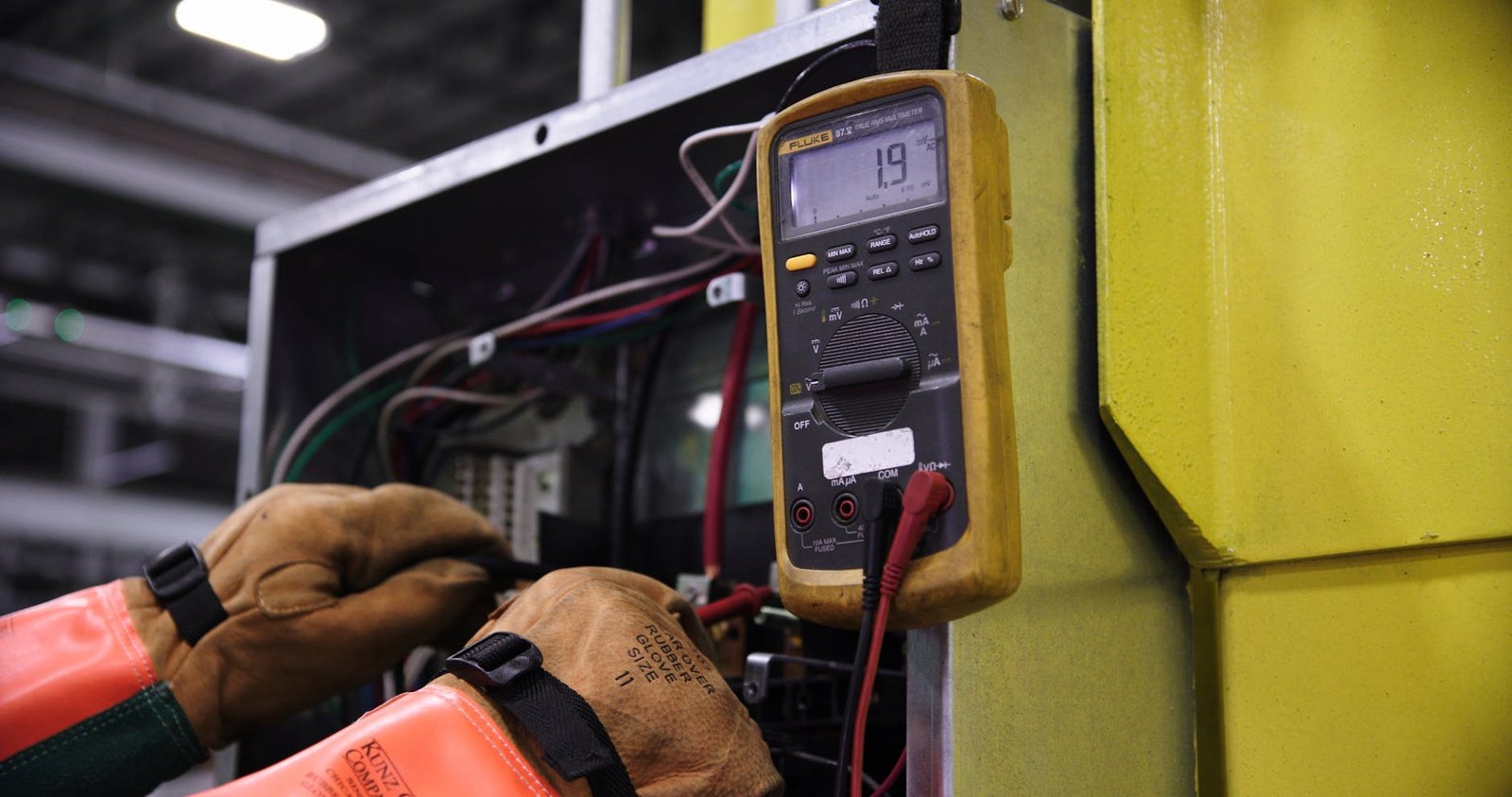
Electrical fires, classified as Class C fires, involve energized electrical equipment such as motors, transformers, appliances, and wiring. Water, which is highly conductive, is strictly prohibited for use on these fires as it poses a severe risk of electrocution to the operator and can cause irreparable damage to sensitive equipment. Even the use of improper chemical agents can lead to secondary damage, such as corrosion of circuit boards or residue accumulation that renders machinery inoperable.
According to NBC 2016 Part 4, which dictates the fire and life safety requirements for buildings, the selection of fire protection systems must be based on the specific fire load and the nature of the occupancy. For electrical installations, the focus is on non-conductive, clean agents. Carbon Dioxide (CO2) is the industry standard for these applications because it leaves no residue, is non-conductive, and displaces oxygen to smother the fire. However, the effectiveness of these units depends heavily on their adherence to Indian Standards, specifically IS 15683:2018, which governs the performance and construction of portable fire extinguishers. Using equipment that lacks the ISI mark is a violation of safety compliance and invites significant legal liability under local fire department regulations.
Compliance and Standards: Navigating IS 15683 and NBC 2016
Compliance is the bedrock of corporate fire safety in India. When you procure fire extinguishers, you are not just buying a canister; you are investing in a certified safety tool that has passed rigorous pressure and discharge testing. IS 15683:2018 is the primary standard that every facility manager must reference. This standard outlines the requirements for materials, construction, and performance. For electrical environments, it mandates that the extinguisher must be non-conductive and capable of extinguishing fires in live electrical equipment safely.
Furthermore, IS 2190 provides the code of practice for the selection, installation, and maintenance of portable fire extinguishers. Many facility managers mistakenly believe that installing an extinguisher is a “one-and-done” task. In reality, IS 2190 requires periodic inspections—monthly, quarterly, and annually—to ensure the pressure gauge remains in the operating range and the nozzle is free of obstructions. Failure to maintain these devices can lead to severe penalties from local municipal authorities and, more importantly, the failure of the system when it is needed most. Under the NBC 2016 framework, the responsibility for maintaining an active fire safety protocol rests squarely on the building owner or the designated safety officer.
The PASS Method: Practical Operational Guidance
Even the most expensive, high-quality extinguisher is useless if the operator is untrained. In the heat of an electrical emergency, panic is the greatest enemy. We advocate for the universal PASS method, which is the standard training protocol for our clients across India:
1. Pull: Pull the pin at the top of the extinguisher. This breaks the tamper seal and allows you to discharge the agent.
2. Aim: Aim the nozzle or hose at the base of the fire, not the flames themselves. For electrical fires, aim at the suspected source of the spark or the electrical component that is overheating.
3. Squeeze: Squeeze the handle slowly and evenly. This releases the pressurized extinguishing agent.
4. Sweep: Sweep the nozzle from side to side at the base of the fire until it appears to be extinguished. Watch the area carefully; if the fire re-ignites, repeat the process.
It is critical to note that for electrical fires, the operator should ensure they are at a safe distance and that the power supply to the equipment is cut off as soon as it is safe to do so. Once the fire is out, ventilate the area to remove any remaining CO2, as high concentrations in confined spaces can pose a respiratory risk.
Economic Considerations and Investment in Safety
Budgeting for fire safety is a common challenge for facility managers. While it is tempting to opt for cheaper, uncertified equipment, the long-term cost of non-compliance—including insurance claim denials, legal fines, and potential business shutdown—far outweighs the initial savings.
In the Indian market, high-quality, ISI-marked CO2 extinguishers typically fall into the following price ranges:
When you invest in equipment from an established provider, you are also paying for the assurance of hydrostatic testing, proper valve assembly, and documentation that is accepted by fire safety auditors. Always request the manufacturer’s test certificates and ensure the serial numbers are logged in your facility’s fire safety register.
Comparison of Common Fire Suppression Media for Electrical Hazards
Choosing the right agent is critical based on the specific environment. Below is a comparison of common suppression methods used in Indian facilities.
| Feature | CO2 Extinguisher | Clean Agent (HFC/FK) | Dry Chemical Powder (DCP) |
| Conductivity | Non-conductive | Non-conductive | Non-conductive |
| Residue | None | None | Leaves heavy residue |
| Primary Use | Electrical panels | Server rooms/Data centers | General fires/Storage |
| Environmental | Low impact | Ozone safe (low GWP) | High cleanup effort |
While DCP is effective on electrical fires, it is highly discouraged for use near sensitive electronics because the powder is abrasive and can permanently damage delicate computer components. For server rooms, CO2 or specialized clean agents are the only professional choices.
FAQ: Frequently Asked Questions for Decision-Makers
Q: Why is CO2 preferred over DCP for server rooms?
A: DCP leaves a corrosive, dusty residue that can destroy sensitive circuit boards and fans. CO2 is a clean gas that leaves zero residue, allowing equipment to remain operational after the threat is neutralized.
Q: How often should I perform maintenance on my electrical extinguishers?
A: According to IS 2190, you should conduct a monthly visual inspection. A professional technician should perform a thorough service check and pressure test annually to comply with NBC 2016.
Q: Can I use an electrical fire extinguisher on a wood or paper fire?
A: While CO2 can extinguish small surface fires, it is not efficient for deep-seated Class A (wood/paper) fires. It lacks the cooling effect needed to prevent re-ignition in porous materials.
Q: What is the significance of the ISI mark on my extinguisher?
A: The ISI mark indicates that the product meets the stringent quality and safety parameters set by the Bureau of Indian Standards (BIS), specifically IS 15683, ensuring it will function under high pressure.
Q: How many extinguishers do I need for my office?
A: The number and placement are determined by the fire load and floor area. NBC 2016 provides specific travel distance requirements—usually, you should not have to walk more than 15-20 meters to reach an extinguisher.
Q: What is the typical shelf life of a CO2 extinguisher?
A: A CO2 extinguisher has a long lifespan, but it requires periodic hydrostatic testing (usually every 5 years) to ensure the cylinder shell remains intact and safe for high-pressure storage.
Strategic Maintenance and Safety Culture
The technical aspect of fire safety is only one half of the equation. The other half is the development of a robust safety culture within your organization. At Safex Fire Services, we have observed that facilities with the lowest incident rates are those that conduct regular mock drills and ensure that all staff members know the location and operation of the nearest fire equipment.
For facilities in high-risk zones, we recommend a secondary layer of protection, such as automatic fire detection and alarm systems, which act in tandem with portable extinguishers. If a fire starts in an electrical panel while the room is unoccupied, an automatic system can provide the critical seconds needed to prevent a total loss. Documentation is equally vital; maintain a logbook that records every inspection, recharge, and training session. This log is the first document an insurance adjuster or fire inspector will request in the event of an audit or incident.
Conclusion
Fire safety is a dynamic field that requires constant vigilance, adherence to evolving standards, and the use of reliable, certified equipment. Whether you are managing a high-rise office complex or a manufacturing unit, the choices you make today regarding fire suppression will dictate your resilience against disaster. By adhering to the guidelines set forth in IS 15683 and the National Building Code 2016, you ensure that your facility is protected by the highest standards of safety. Safex Fire Services, established in 1972, remains committed to providing the Indian market with the expertise and high-quality equipment necessary to maintain these standards. Invest in quality, prioritize regular maintenance, and empower your team with the knowledge to handle emergencies effectively.
Resources
For further guidance on Indian fire safety standards and regulatory requirements, please refer to the following official resources: