
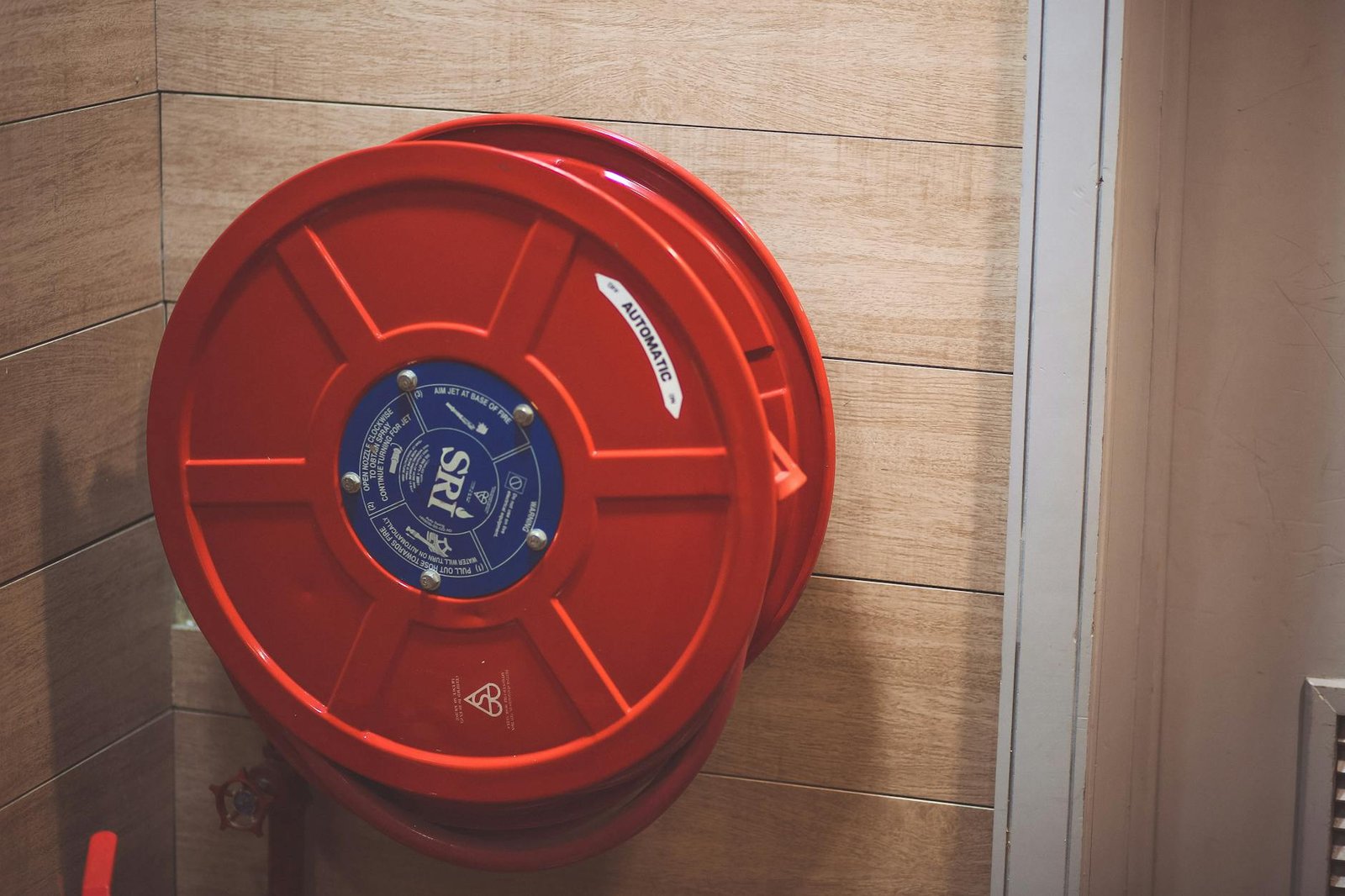
In the rapidly evolving landscape of Indian road safety, the inclusion of a fire extinguisher in personal and commercial vehicles has transitioned from a mere suggestion to a critical safety imperative. Whether navigating the dense traffic of Mumbai or transporting goods across the industrial corridors of Gujarat, vehicle fires pose an unpredictable and severe threat. At Safex Fire Services, we understand that fire safety is not just about meeting regulatory checkboxes; it is about preserving life and protecting significant financial assets. Safex established 1972, and throughout our five decades of experience, we have consistently advocated for proactive fire prevention strategies, particularly within the automotive sector.
When a vehicle fire occurs, the window of opportunity to contain the blaze is measured in seconds. A small electrical short circuit or a fuel line leak can escalate into a catastrophic inferno within minutes. By equipping your vehicle with a high-quality, certified fire extinguisher, you are taking the first step toward self-reliance in emergency situations. This guide serves as a comprehensive resource for facility managers, fleet operators, and private vehicle owners to understand the nuances of selection, installation, and usage of car fire extinguishers in accordance with Indian standards.
Understanding the Legal and Safety Framework
Fire safety in India is governed by rigorous standards that aim to minimize the risk of fire-related incidents in both static structures and mobile assets. While the National Building Code (NBC) 2016 primarily focuses on fire and life safety within buildings, its principles regarding fire suppression are universally applicable. The NBC 2016 emphasizes the importance of selecting the right extinguishing agent for the specific class of fire. In the context of vehicles, we are primarily dealing with Class B (flammable liquids) and Class C (electrical) fires.
The Indian Standard IS 15683:2018 is the benchmark for portable fire extinguishers. When selecting an extinguisher for your car, you must look for the ISI mark, which signifies that the product has undergone stringent testing for pressure, leakage, and discharge effectiveness. Relying on uncertified, cheap imported units often leads to failure during an actual emergency. A certified extinguisher ensures that the pressure gauge remains functional, the canister can withstand the heat cycles of a car interior, and the extinguishing agent remains effective over its service life.
For fleet managers, compliance is not optional. Under the Motor Vehicles Act, specific vehicle categories are mandated to carry fire safety equipment. Failure to adhere to these standards can result in hefty fines, insurance claim rejections, and legal liabilities in the event of an accident. Furthermore, when dealing with specialized vehicles, such as those transporting hazardous materials or IT equipment, the requirements become even more stringent, necessitating larger capacity units or specific chemical agents that prevent collateral damage to sensitive electronics.
Selecting the Right Extinguisher for Your Vehicle
Choosing a fire extinguisher for your car is a decision that balances portability with efficacy. For a standard passenger vehicle, a 1kg or 2kg ABC fire extinguisher extinguisher is the industry standard. The ABC rating indicates that the unit is effective against ordinary combustibles (Class A), flammable liquids (Class B), and energized electrical equipment (Class C).
In terms of investment, quality is paramount. A reliable 1kg ABC powder extinguisher typically ranges from ₹1,200 to ₹2,500, while a more robust 2kg unit for larger SUVs or commercial vans may cost between ₹2,000 and ₹5,000. For specialized industrial logistics vehicles, high-capacity units can range from ₹5,000 to ₹15,000 depending on the mounting hardware and valve mechanism. Do not be tempted by extremely low-cost alternatives found in unregulated markets; these units often feature substandard valves that leak pressure within months, rendering them useless when needed.
Beyond the powder type, consider the mounting mechanism. A loose extinguisher under the seat is a safety hazard during a collision. Always opt for a metal bracket that can be securely bolted to the vehicle floor or a reinforced side panel. The extinguisher must be reachable from the driver’s seat while buckled in, or at the very least, accessible within seconds without having to open the trunk. For IT parks and corporate campuses in hubs like Bengaluru or Pune, where luxury and electric vehicles are common, we often recommend clean agent extinguishers that leave no residue, preventing damage to the vehicle’s sophisticated wiring harnesses.
The PASS Method: Practical Application in Emergencies
Possessing a fire extinguisher is only half the battle; knowing how to use it under extreme stress is what saves lives. The PASS method is the globally recognized protocol for operating portable fire extinguishers. If you encounter a vehicle fire, you must remain calm and execute these steps precisely:
1. Pull: The first step is to pull the safety pin located at the top of the extinguisher. This pin prevents the handle from being squeezed accidentally. Once removed, you will be able to discharge the agent.
2. Aim: Always aim the nozzle at the base of the fire, not at the flames themselves. The fire is fueled by the material burning, not the flames rising into the air. By targeting the base, you cut off the fuel source.
3. Squeeze: Squeeze the handle or lever slowly and evenly to release the extinguishing agent. If you release the handle, the discharge will stop, so maintain a firm grip until the fire is extinguished or the agent is exhausted.
4. Sweep: With the nozzle aimed at the base, sweep the spray from side to side. Continue this motion until the fire appears to be out. Keep a close watch on the area; if the fire reignites, repeat the process immediately.
It is critical to remember that if the fire is too large or if it has reached the fuel tank, do not attempt to fight it. Your safety is the priority. Evacuate all passengers to a safe distance, alert authorities, and contact emergency services immediately. The extinguisher is intended to suppress incipient-stage fires, not to combat fully developed vehicle infernos.
Maintenance and Compliance: IS 2190 Guidelines
Many vehicle owners make the mistake of installing a fire extinguisher and forgetting about it for years. According to IS 2190, which provides the code of practice for the selection, installation, and maintenance of portable fire extinguishers, regular inspection is mandatory. In the high-temperature environment of an Indian summer, where cabin temperatures can exceed 60°C, the pressure inside an extinguisher can fluctuate significantly.
Every month, the owner or facility manager should perform a visual inspection. Check the pressure gauge to ensure the needle is in the green zone. Inspect the nozzle for blockages or debris, and verify that the safety seal is intact. If the gauge shows low pressure, the unit must be serviced or replaced immediately. Do not attempt to refill a disposable unit; always consult a certified professional to recharge your extinguishers.
For corporate fleets, we recommend a biannual audit. This includes weighing the extinguisher to ensure it meets the manufacturer’s specified weight, checking the integrity of the mounting bracket, and ensuring the operating instructions remain legible. Documentation of these inspections is essential for insurance purposes. If a fire occurs and it is discovered that your fire safety equipment was not maintained according to IS 2190, your insurance claim may be denied, leaving your organization with the full financial burden of the loss.
Comparison Table: Choosing the Right Protection
The following table provides a comparison of common fire extinguisher types suitable for automotive use to help you make an informed decision based on your specific vehicle type and risk profile.
| Extinguisher Type | Best Suited For | Key Advantage | Price Range (Approx.) |
| ABC Dry Powder | General Passenger Cars | Versatile (A, B, C fires) | ₹1,200 – ₹3,000 |
| Clean Agent (CO2/HFC) | Luxury & Electric Vehicles | No residue, safe for electronics | ₹3,500 – ₹8,000 |
| Wet Chemical | Commercial Kitchen Vans | Effective on cooking oil fires | ₹4,000 – ₹9,000 |
| Heavy-Duty Powder | Industrial Transport Trucks | High capacity for larger fires | ₹5,000 – ₹15,000 |
Note: Prices are indicative and subject to market fluctuations, GST, and brand specifications.
Frequently Asked Questions (FAQ)
Q: What is the mandatory fire extinguisher standard for cars in India?
A: While specific personal car mandates vary by state, the industry benchmark for quality and reliability is IS 15683, which outlines the requirements for portable fire extinguishers.
Q: How often should I check my car fire extinguisher?
A: You should perform a visual inspection of the pressure gauge at least once a month. Annual professional servicing is recommended to ensure the extinguishing agent has not clumped and the valve mechanism is functioning as per IS 2190 guidelines.
Q: Is a 1kg extinguisher sufficient for a standard sedan?
A: Yes, a 1kg ABC powder extinguisher is generally sufficient for a small passenger vehicle to suppress an incipient fire. However, for larger SUVs or vehicles carrying hazardous materials, a 2kg unit is highly recommended for better coverage.
Q: Can I use a home fire extinguisher in my car?
A: It is not recommended. Car-specific extinguishers are designed to withstand the vibration and temperature extremes of a vehicle environment. Home units may not have the necessary mounting hardware or the durability to survive in a car.
Q: What does the PASS method stand for?
A: The PASS method stands for Pull the pin, Aim at the base of the fire, Squeeze the handle, and Sweep from side to side. This is the standard procedure for using any portable fire extinguisher effectively.
Q: Does my car insurance cover me if I don’t have a fire extinguisher?
A: While not always a prerequisite for basic coverage, lack of mandated safety equipment can lead to complications during claim processing, especially if an investigation reveals that the fire could have been contained with a compliant extinguisher.
Resources
For further information on fire safety compliance, please consult the following official resources:
Conclusion
Fire safety is an investment in continuity and survival. Whether you are managing a corporate fleet or ensuring the safety of your family vehicle, the presence of a certified, well-maintained fire extinguisher is a non-negotiable aspect of modern driving. By adhering to the standards set forth in IS 15683 and following the practical guidance provided by the NBC 2016, you can significantly mitigate the risks associated with vehicle fires.
Safex established 1972, and our commitment to the Indian market remains as strong as it was when we began. We have seen the evolution of fire safety technology and the increasing complexity of vehicle systems, which is why we emphasize the importance of professional consultation. Do not wait for an emergency to realize the value of fire protection. Equip your vehicle with the right tools, train your team or family members on the PASS method, and ensure that your safety equipment is inspected regularly. At Safex Fire Services, we are dedicated to providing the expertise and the reliable equipment necessary to keep India moving safely.