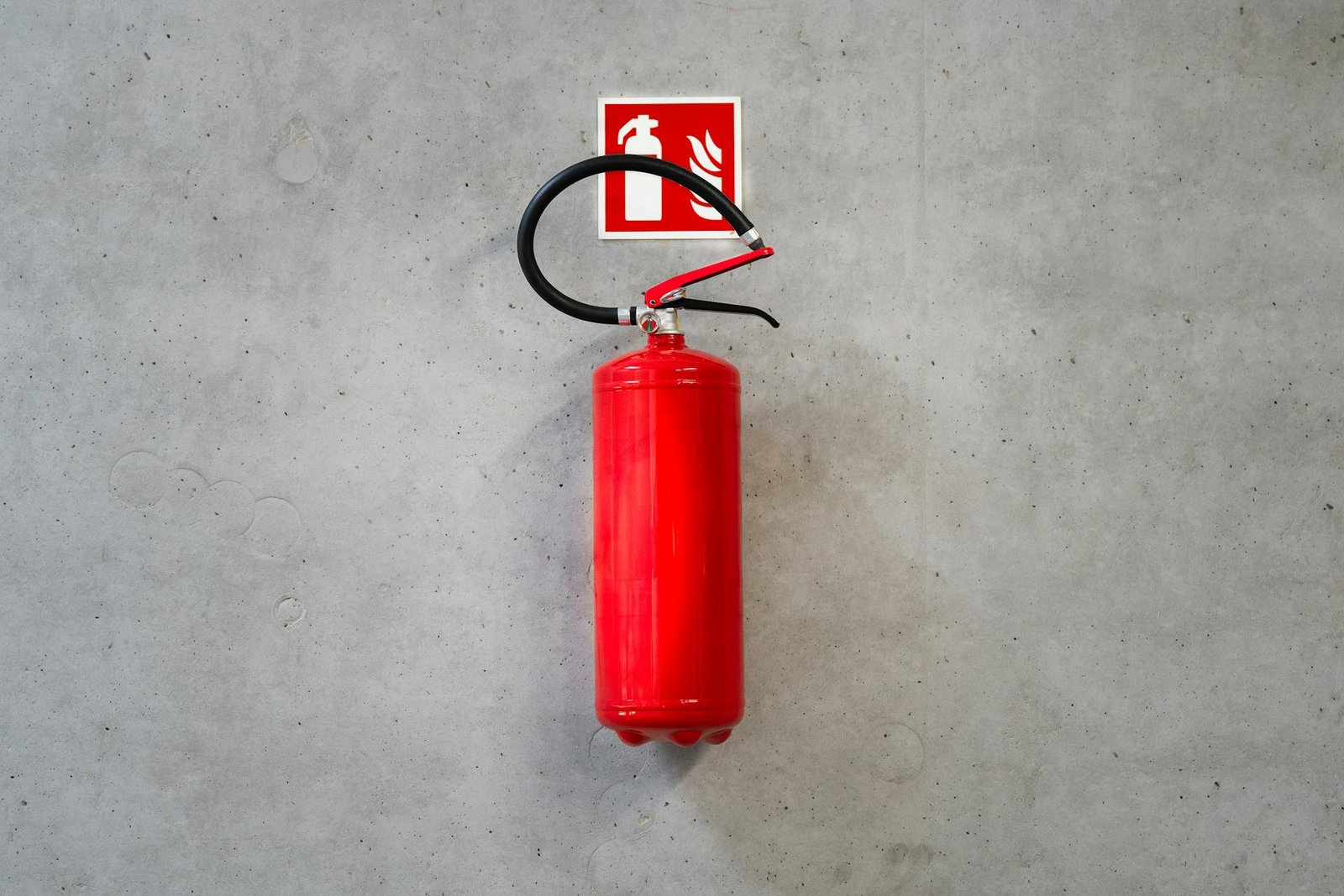
In the rapidly evolving landscape of Indian industrial and commercial infrastructure, the margin for error regarding fire safety is non-existent. As facility managers and architects look toward more sophisticated methods of hazard mitigation, automatic fire extinguishers—often referred to as automatic detection and fire suppression systems—have moved from a luxury to a necessity. Whether it is an IT park in Bengaluru, a textile warehouse in Gujarat, or a specialized server room in Mumbai, the shift toward proactive, autonomous fire suppression is driven by the need to minimize human intervention during the critical first seconds of an ignition event.
Safex established 1972, and over the past five decades, we have witnessed the evolution of fire safety from basic manual extinguishers to complex, IoT-integrated automated systems. Understanding how these systems integrate with the National Building Code (NBC 2016) and relevant Indian Standards is essential for any decision-maker tasked with protecting life and property.
Understanding Automatic Fire Suppression Systems and IS Compliance
Automatic fire extinguishers, or automatic modular fire extinguishers as they are technically classified, are designed to operate without human intervention. These units are typically ceiling-mounted or wall-mounted in high-risk areas where fire might break out in the absence of personnel, such as server rooms, electrical panels, or chemical storage zones.
The core of any fire safety strategy in India must be rooted in compliance. The National Building Code (NBC 2016) Part 4, which deals with Fire and Life Safety, mandates specific protection levels based on occupancy type and fire load. When selecting automatic systems, one must ensure they meet the rigorous testing parameters defined by Indian Standards. While IS 15683:2018 is the primary benchmark for portable fire extinguishers, the components and performance criteria for automatic suppression systems often draw upon these standards to ensure the extinguishing agent (whether it be ABC powder, clean agent, or CO2) is deployed with sufficient velocity and coverage.
In an industrial context, such as a factory floor, relying solely on manual extinguishers is insufficient. An automatic modular unit acts as a sentinel. It features a heat-sensitive glass bulb or a thermal trigger mechanism. When the ambient temperature reaches a pre-set threshold (usually 68 degrees Celsius), the bulb bursts, triggering the immediate discharge of the extinguishing agent. This prevents the fire from reaching the flashover stage, potentially saving millions in infrastructure costs and, more importantly, preventing fatalities.
Strategic Installation and Maintenance Protocols
Installation is not merely a matter of placing a unit in a room; it is a calculated engineering decision. According to IS 2190, which provides the code of practice for the selection, installation, and maintenance of first-aid fire extinguishing equipment, the placement of automatic units must be based on the volume of the protected area and the fire risk classification.
For a facility manager, the maintenance schedule is the most critical aspect of operational readiness. An automatic extinguisher that has lost pressure is as useless as an empty bucket. We recommend a quarterly inspection cycle that exceeds the basic annual requirements. This includes checking the pressure gauge, ensuring the nozzle is free of dust or debris, and verifying that the mounting brackets are secure. In high-vibration environments like manufacturing units, these checks are vital.
The cost of implementation is often a primary concern for procurement officers. For small, localized automatic modular units (typically 2kg to 5kg capacity), you can expect to budget between ₹5,000 and ₹12,000 per unit. Larger, specialized clean-agent automatic systems for data centers can range significantly higher, often between ₹25,000 and ₹60,000 depending on the suppression agent and the total flood capability. While these costs may seem substantial, they are negligible when compared to the legal liabilities and business interruption costs associated with a catastrophic fire incident. Failure to comply with NBC 2016 or the fire safety norms of your local state fire department can lead to the revocation of your occupancy certificate, effectively shutting down operations.
The Role of PASS in Manual Backup Systems
While automatic systems provide peace of mind, they do not negate the need for manual fire extinguishers. Every facility must have a combination of automated suppression and manual response tools. If a fire is detected early enough or if the automatic system fails to contain a localized flare-up, personnel must be trained in the PASS method.
The PASS method is the industry-standard technique for using a portable fire extinguisher effectively:
1. Pull: Pull the safety pin located at the top of the extinguisher. This breaks the tamper seal and allows the handle to be squeezed.
2. Aim: Aim the nozzle or hose at the base of the fire, not at the flames. The goal is to starve the fuel source, not just dissipate the smoke.
3. Squeeze: Squeeze the handle to discharge the agent. Do this in a controlled manner to ensure the duration of the discharge is maximized.
4. Sweep: Sweep the nozzle from side to side at the base of the fire until the flames appear to be extinguished.
Training staff on PASS is a mandatory component of fire safety drills under most Indian state fire safety acts. A facility manager who provides high-quality equipment but fails to train the workforce on the PASS method is leaving the organization vulnerable to human error during a crisis.
Comparison of Fire Suppression Technologies
To make an informed decision, it is necessary to compare the various types of suppression technologies available in the Indian market. The choice between these depends on the nature of the assets being protected.
| Feature | Automatic Modular Extinguisher (ABC Powder) | Clean Agent Suppression (Gas-based) | CO2 Automatic Systems |
| Primary Use | General storage, garages, workshops | Server rooms, labs, sensitive electronics | Electrical panels, machinery |
| Residue | Leaves a powder residue | Leaves no residue (clean) | Leaves no residue |
| Cost Range | ₹5,000 – ₹12,000 | ₹25,000 – ₹60,000+ | ₹15,000 – ₹30,000 |
| Maintenance | Annual pressure checks | Annual pressure/agent check | Annual weighing/pressure check |
As shown in the table, the selection process is largely determined by the sensitivity of the environment. Using ABC powder in a server room would effectively extinguish the fire but would likely destroy the hardware with chemical residue. Conversely, using a clean agent in a warehouse would be an unnecessary expense when a robust, cost-effective ABC modular unit would suffice.
Liability, Compliance, and the Cost of Inaction
In India, the legal framework surrounding fire safety has become increasingly stringent. Following various high-profile incidents, municipal corporations in cities like Pune, Chennai, and Delhi have intensified audits. Facility managers are now held personally liable for failures in fire safety systems.
When you install equipment that meets IS 15683 and adheres to NBC 2016, you are not just buying hardware; you are buying a legal defense. Documentation is key. Every installation of an automatic fire extinguisher should be logged in a fire safety register, with service records maintained for at least five years. If an incident occurs, the first thing investigators will look for is the maintenance history of your suppression systems. A missing service tag or an expired pressure gauge is a clear indicator of negligence in the eyes of the law.
Furthermore, insurance providers in India are increasingly scrutinizing fire safety compliance before settling claims. If your facility is found to have bypassed fire safety standards or utilized sub-par, non-ISI marked equipment, your insurance claim may be denied, leading to financial ruin. Investing in high-quality, certified fire safety equipment is the most effective way to protect your balance sheet.
Frequently Asked Questions
Q: What is the recommended service interval for an automatic modular fire extinguisher?
A: According to IS 2190 guidelines, these units should be inspected monthly by the facility team and serviced annually by a certified professional to ensure the pressure gauge is in the green zone and the mounting is secure.
Q: Can I use an automatic extinguisher in a server room?
A: While possible, we recommend using clean agent-based automatic systems rather than ABC powder units to prevent damage to sensitive electronic components. Costs for these specialized systems typically start at ₹25,000.
Q: What is the PASS method and why is it important?
A: The PASS method (Pull, Aim, Squeeze, Sweep) is the standard protocol for operating manual extinguishers. It is crucial because it ensures that the extinguishing agent is applied directly to the base of the fire, maximizing efficiency and safety.
Q: Does NBC 2016 mandate the use of automatic extinguishers?
A: The NBC 2016 specifies requirements based on building occupancy and height. In many high-risk areas, such as basement parking, electrical rooms, and server zones, automatic suppression is either explicitly mandated or strongly recommended to meet safety compliance.
Q: What is the price range for a standard 5kg ABC automatic modular extinguisher?
A: A high-quality, ISI-marked 5kg ABC automatic modular extinguisher generally costs between ₹6,000 and ₹9,000, depending on the brand and the specific type of mounting assembly required.
Q: How do I know if my fire extinguisher is compliant with Indian Standards?
A: You must look for the ISI mark on the cylinder. The product should specifically reference IS 15683:2018 for portable units or the relevant standard for modular automatic systems to ensure it has passed the required hydrostatic and performance tests.
Resources
For further information on fire safety standards and regulatory requirements, please refer to the following official resources:
– Bureau of Indian Standards (BIS): https://www.bis.gov.in
– National Building Code of India (NBC 2016): https://bis.gov.in/index.php/standards/electrotechnical/national-building-code/
Conclusion
Fire safety is a continuous process, not a one-time purchase. As we have discussed, the integration of automatic fire extinguishers is a critical step in modernizing your facility’s defense against fire hazards. By aligning your procurement and maintenance strategies with the requirements set forth in IS 15683 and the National Building Code (NBC 2016), you ensure that your facility is protected by the highest standards of safety.
At Safex, we understand that every facility has unique risks and requirements. Whether you are looking to retrofit an existing building or plan the safety infrastructure for a new project, the importance of reliable, certified equipment cannot be overstated. With our long history of expertise, Safex established 1972, we remain committed to providing the guidance and equipment necessary to keep Indian infrastructure safe. Do not wait for an audit or an incident to evaluate your fire safety readiness; take the proactive step today to ensure your systems are compliant, maintained, and ready to perform when it matters most.