Introduction
In the complex landscape of industrial and commercial fire safety, facility managers often struggle with the ambiguity of fire protection coverage. Whether you are overseeing a high-rise IT park in Bengaluru or a sprawling manufacturing unit in Gujarat, the effectiveness of your fire safety infrastructure is only as good as your ability to visualize and manage it. This is where the concept of an “ABC Map”—a systematic categorization of Assets, Barriers, and Compliance protocols—becomes indispensable. Since Safex established 1972, we have observed that the most common reason for fire safety failure is not the lack of equipment, but the lack of an organized strategy to map, maintain, and monitor that equipment.
An ABC Map is not merely a floor plan; it is a strategic document that aligns your physical fire protection assets with the rigorous requirements laid out in the National Building Code (NBC) 2016. By mapping your facility, you move from a reactive posture—scrambling during an audit or emergency—to a proactive, compliance-driven model. This guide will walk you through the essential components of creating an effective fire safety map, ensuring that every extinguisher, hose reel, and alarm system is accounted for and compliant with Indian Standards.
Understanding the Pillars of Fire Safety Mapping
To build an effective ABC Map, one must first understand the regulatory framework governing fire safety in India. The NBC 2016, Part 4 (Fire and Life Safety), serves as the backbone for all fire protection design. When you map your facility, you are essentially documenting how your building meets these mandates.
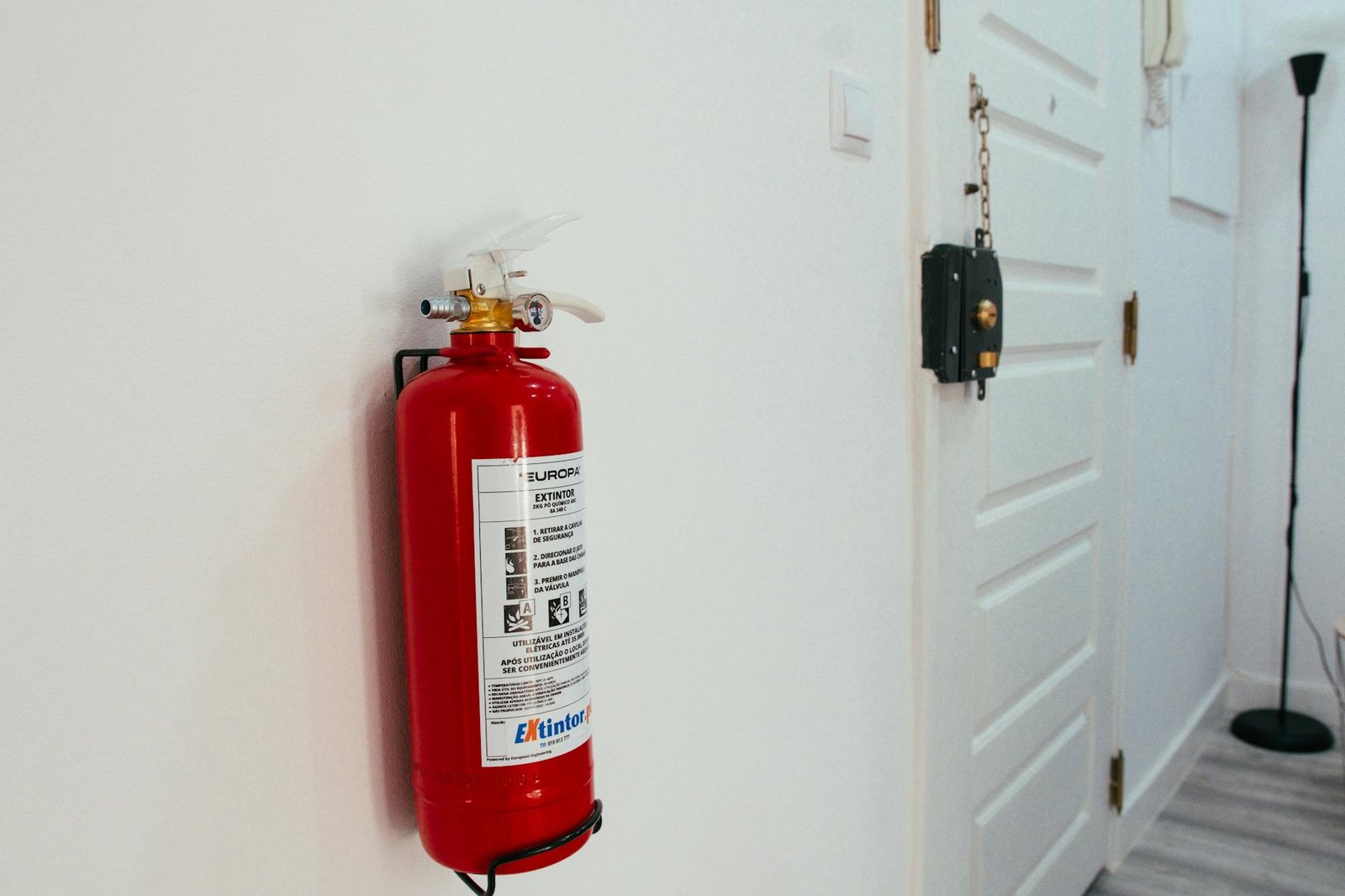
The “A” in our ABC approach stands for Assets. This includes portable fire extinguishers, fire hydrant systems, fire sprinkler systems, and fire alarm control panels. Each of these must adhere to specific IS codes. For instance, portable fire extinguishers must strictly conform to IS 15683:2018. If your map lists an extinguisher that does not meet this standard, your facility is technically non-compliant, regardless of whether the device is physically present.
The “B” stands for Barriers. This refers to passive fire protection measures, such as fire-rated doors, smoke dampers, and compartmentation walls. These barriers are the unsung heroes of fire safety, designed to contain smoke and flames to the area of origin. A proper safety map identifies the location and fire-rating of these barriers, ensuring that they are not obstructed by office furniture or storage crates.
The “C” stands for Compliance. This involves the documentation of your maintenance schedule. IS 2190 provides the code of practice for the selection, installation, and maintenance of portable fire extinguishers. Your map should integrate with your maintenance logs, showing when each device was last inspected, hydrostatically tested, or refilled. If your map shows a fire hydrant system but your maintenance log is empty, you are legally exposed to significant liability in the event of an inspection or, worse, a fire incident.
Strategic Asset Placement and The PASS Method
When mapping your assets, the placement is just as critical as the selection. For portable fire extinguishers, the distance between the hazard and the nearest unit is strictly regulated. In high-risk areas, the travel distance should generally not exceed 15 meters. If your ABC map shows a large gap in coverage, you are creating a “dead zone” where a small, manageable fire can quickly escalate into a catastrophic event.
When deploying these assets, personnel must be trained in the PASS method. This is the gold standard for operating fire extinguishers effectively:
1. Pull the pin: This unlocks the operating lever and allows you to discharge the extinguisher.
2. Aim low: Point the nozzle or hose at the base of the fire, not at the flames themselves.
3. Squeeze the lever: This releases the extinguishing agent.
4. Sweep from side to side: Moving the nozzle back and forth ensures that the entire base of the fire is covered until the flames are completely extinguished.
Understanding the investment required for these assets is crucial for budget planning. For a standard commercial office, a 2kg ABC powder extinguisher typically costs between ₹1,500 and ₹3,000. For industrial applications requiring larger 6kg or 9kg units, expect to budget between ₹5,000 and ₹15,000 per unit depending on the specifications and certification level. Mapping these costs into your annual facility budget ensures that your fire safety infrastructure never lapses due to financial oversight.
Compliance and Liability in the Indian Context
Failure to maintain an accurate fire safety map is a major compliance risk. Under the current legal framework in India, facility managers and building owners can be held personally liable for fire safety negligence. If a fire occurs and your records show that fire safety equipment was not maintained according to IS 2190, the legal consequences can be severe, ranging from heavy fines to criminal proceedings.
In regions like Gujarat or Maharashtra, local fire authorities are increasingly demanding digital documentation that mirrors the physical reality of the site. An ABC Map serves as your primary evidence during an inspection. It demonstrates that you have not only installed the required equipment but that you have a systematic approach to its lifecycle management.
Furthermore, insurance companies are becoming more stringent. They often require proof of fire safety compliance before renewing policies. A well-maintained map that highlights regular inspections and adherence to IS 15683 standards can often be the deciding factor in securing favorable insurance premiums. It signals to underwriters that your facility is managed by professionals who take risk mitigation seriously.
Comparative Analysis of Fire Protection Strategies
To assist in your planning, the following table compares different fire protection approaches based on facility type and regulatory requirements.
| Facility Type | Primary Equipment Focus | Maintenance Standard | Typical Budget Range (Annual) |
| Commercial Office | Portable Extinguishers, Smoke Detectors | IS 2190, IS 15683 | ₹50,000 – ₹2,00,000 |
| Warehouse/Logistics | Hydrants, Sprinklers, Extinguishers | NBC 2016, IS 2190 | ₹5,00,000 – ₹20,00,000 |
| IT Park/Data Center | Gas-based Suppression, VESDA | NBC 2016, NFPA Standards | ₹10,00,000+ |
| Manufacturing Unit | Foam/Dry Powder Systems, Hydrants | IS 2190 | ₹8,00,000 – ₹25,00,000 |
Note: Budget ranges are estimates and depend on the square footage of the facility and specific local fire authority mandates.
Implementing Your ABC Map
To begin building your ABC Map, start with a high-resolution floor plan of your facility. Layer the map into three distinct categories. First, plot every fire extinguisher, ensuring that the model number, installation date, and next due date for maintenance are visible. Second, mark all fire exits, fire-rated doors, and escape routes. Third, overlay your emergency lighting and signage locations.
Once the physical map is drafted, cross-reference it with your inventory list. Are there extinguishers that are older than their recommended lifespan? Are the fire exits clear of debris? By conducting a “walk-through audit” with your map in hand, you will likely discover discrepancies between what you thought you had and what is actually on the ground. This audit is the most critical step in ensuring compliance.
Remember that an ABC Map is a living document. Any time you reconfigure your office layout or add new machinery to your factory floor, your map must be updated. A static map that does not reflect the current reality of your facility is dangerous, as it may lead staff toward blocked exits or non-functional equipment during an emergency.
FAQ: Frequently Asked Questions
Q: How often must portable fire extinguishers be inspected under IS 2190?
A: IS 2190 mandates a monthly visual inspection to ensure the device is in its designated place, the pin is intact, and the pressure gauge is in the green zone. A professional service check should be conducted at least once a year.
Q: What is the significance of IS 15683 in my procurement process?
A: IS 15683:2018 is the Indian Standard for portable fire extinguishers. Procurement of any equipment not bearing the ISI mark is a violation of safety norms and leaves you vulnerable during audits. Always verify the ISI mark and the manufacturer’s certification before purchase.
Q: Does the PASS method apply to all types of fire extinguishers?
A: Yes, the PASS method (Pull, Aim, Squeeze, Sweep) is the universal technique for operating virtually all portable fire extinguishers, whether they are water, CO2, or ABC powder based.
Q: What are the consequences of not following NBC 2016 guidelines?
A: Non-compliance with NBC 2016 can lead to the denial of an Occupancy Certificate, heavy penalties from the local fire department, and, in the event of a fire, significant legal liability for the facility management and ownership.
Q: How much should I expect to pay for a standard 6kg ABC extinguisher?
A: A high-quality, ISI-certified 6kg ABC powder extinguisher typically ranges from ₹2,500 to ₹5,000. Prices vary based on the manufacturer, the quality of the cylinder steel, and the type of pressure gauge used.
Q: Can I create an ABC map myself, or do I need a consultant?
A: While you can draft the initial map yourself, it is highly recommended to have a fire safety professional review it. A professional can identify “blind spots” in your coverage that a layperson might miss and ensure that your map meets the technical requirements of local fire authorities.
Resources
For further information on fire safety standards and compliance, please refer to the following official resources:
Conclusion
Fire safety is not a one-time setup; it is a continuous commitment to the safety of your personnel and the protection of your assets. By adopting the ABC Map strategy, you are taking a definitive step toward professionalizing your fire protection program. Whether you are managing a small office or a large industrial complex, the principles remain the same: identify your assets, maintain your barriers, and ensure absolute compliance.
Since Safex established 1972, we have remained dedicated to providing the technical expertise and high-quality equipment necessary to keep Indian facilities safe. We understand the nuances of the Indian regulatory environment and are committed to helping our clients navigate the complexities of fire safety. As you refine your ABC Map, remember that the most effective fire safety system is one that is clearly understood, regularly maintained, and always ready for action. Do not wait for an audit or an emergency to discover the gaps in your safety infrastructure—take control of your compliance today.