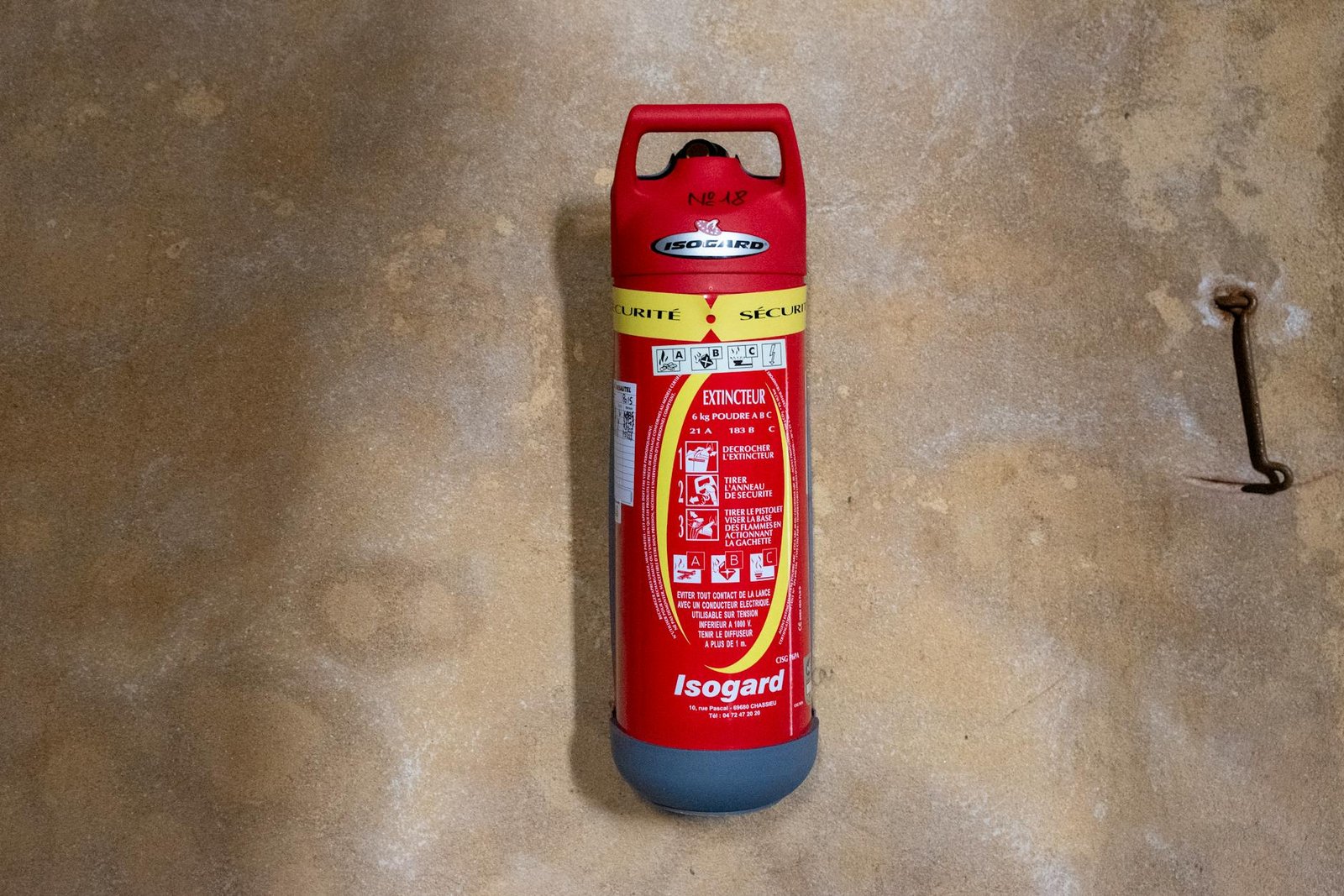
Fire safety is not merely a regulatory box to tick; it is a fundamental pillar of operational continuity for any business, high-rise, or industrial complex in India. Often referred to colloquially as a “fire safety bottle,” the portable fire extinguisher remains the first line of defense against incipient fires. Whether you are managing a bustling IT park in Bengaluru or a sprawling warehouse in Gujarat, the efficacy of your fire safety strategy depends on the quality, placement, and maintenance of these pressurized cylinders.
Safex established 1972, and for over five decades, we have witnessed the evolution of fire safety protocols in India. We have seen how the transition from basic fire buckets to sophisticated, ISI-marked extinguishing systems has saved countless lives and protected billions in assets. Understanding the technical nuances of these devices—specifically adherence to IS 15683 and the National Building Code (NBC) 2016—is essential for every facility manager and safety officer.
Understanding the Anatomy and Compliance of Fire Extinguishers
When we speak of a “fire safety bottle,” we are referring to a portable fire extinguisher, a sophisticated piece of pressure-vessel engineering designed to discharge a fire-suppressing agent. In the Indian market, the gold standard for these devices is defined by IS 15683:2018. This standard outlines the requirements for construction, testing, and performance of portable fire extinguishers.
A fire extinguisher is not a “one size fits all” commodity. Under NBC 2016 Part 4, which dictates the fire and life safety requirements for buildings, the selection of the correct agent is paramount. For instance, an electrical fire in a server room requires a clean agent or CO2 extinguisher to prevent damage to sensitive hardware, whereas a fire in a textile mill requires water or foam-based solutions.
Investing in non-ISI marked equipment is a liability that no facility manager should entertain. Under Indian law, failure to maintain compliant fire safety equipment can lead to severe penalties, including the sealing of premises by local fire departments and, more importantly, criminal liability in the event of a fire-related fatality. When purchasing, expect to pay between ₹1,500 and ₹3,000 for a standard 2kg-4kg DCP extinguisher, while larger industrial CO2 or trolley-mounted units typically range from ₹5,000 to ₹15,000 depending on the capacity and specific fire rating.
The Critical Importance of IS 15683 and IS 2190
Adherence to Indian Standards is the backbone of fire safety. IS 15683:2018 governs the manufacturing and performance of portable extinguishers, ensuring that every valve, hose, and cylinder can withstand the high-pressure demands of a fire emergency. However, owning an extinguisher is only half the battle; the other half is governed by IS 2190, which provides the code of practice for the selection, installation, and maintenance of these units.
IS 2190 mandates regular inspection cycles. In an Indian climate, where humidity and heat can fluctuate significantly—particularly in coastal regions like Mumbai or Chennai—the integrity of the extinguisher’s internal chemicals and the pressure gauge is vital. A common mistake in facility management is placing extinguishers in areas prone to high ambient temperatures without considering the pressure limits of the cylinder.
Furthermore, the placement strategy must comply with NBC 2016 guidelines regarding travel distance. For high-hazard areas, the maximum travel distance to an extinguisher should not exceed 15 meters. For lower-hazard office environments, this may extend to 20-25 meters. Regardless of the distance, the equipment must be mounted at a height that is accessible to all staff, typically with the handle not higher than 1.5 meters from the floor.
Mastering the PASS Method: Operator Training
Even the most expensive, high-spec fire safety bottle is useless if the operator lacks the training to deploy it correctly. At Safex, we emphasize the PASS method, a universal mnemonic designed to ensure rapid and effective fire suppression during the critical first few minutes of an outbreak.
1. Pull: Pull the safety pin located at the top of the extinguisher. This pin prevents the handle from being squeezed accidentally. When pulling, hold the extinguisher upright and ensure the pin is fully removed.
2. Aim: Aim the nozzle or hose at the base of the fire, not at the flames themselves. The fuel source is located at the base, and suppressing the flames in the air does nothing to stop the chemical reaction feeding the fire.
3. Squeeze: Squeeze the handle slowly and evenly. This will release the pressurized extinguishing agent. If the extinguisher has a squeeze-grip handle, use a steady pressure to control the discharge.
4. Sweep: Sweep the nozzle from side to side at the base of the fire until the flames appear to be extinguished. Watch the area carefully; if the fire reignites, repeat the process.
Practical training sessions should be conducted at least annually. In high-risk environments like chemical processing plants, we recommend biannual fire drills that include hands-on experience with discharge simulators.
Maintenance Schedules and Liability Protection
The maintenance of fire safety equipment is a legal responsibility of the building owner or occupier. Under the National Building Code (NBC) 2016, fire systems must be inspected by qualified professionals. A simple visual inspection—checking the pressure gauge for the green zone and ensuring the seal is intact—should be done monthly by the facility team.
However, the comprehensive annual maintenance contract (AMC) is where compliance is truly secured. During an annual service, professional technicians will perform hydrostatic pressure testing, check for corrosion, and ensure the propellant gas has not leaked. Records of these inspections are critical; in the event of a fire audit, the absence of a signed and stamped service log is often grounds for a violation notice.
Consider the financial implications: a small investment in a professional AMC (often ₹500 to ₹1,200 per unit per year) pales in comparison to the potential loss of business, increased insurance premiums, and the legal repercussions of failing to meet statutory safety requirements.
Comparison Table: Choosing the Right Fire Extinguisher
| Extinguisher Type | Best For | Typical Price Range | Key Characteristic |
| DCP (Dry Chemical Powder) | General use, Class A, B, C fires | ₹1,500 – ₹4,000 | Versatile, effective on most common fires |
| CO2 (Carbon Dioxide) | Electrical fires, Server rooms | ₹3,000 – ₹12,000 | Non-conductive, leaves no residue |
| Foam (AFFF) | Liquid fires (Class B) | ₹2,500 – ₹6,000 | Smothers fire by creating a seal |
| Water (Stored Pressure) | Ordinary combustibles (Class A) | ₹2,000 – ₹5,000 | Cooling effect, cost-effective |
Frequently Asked Questions (FAQ)
Q: How often must I replace the powder in my DCP fire extinguisher?
A: According to IS 2190, the powder should be checked during the annual maintenance. While the powder itself does not expire on a fixed date, the cylinder must undergo hydrostatic pressure testing every few years, and the powder is typically replaced or recharged during these major service intervals to ensure it remains free-flowing and effective.
Q: Can I install a fire extinguisher myself?
A: While you can physically mount the bracket, the placement must comply with NBC 2016 guidelines regarding travel distance and accessibility. It is highly recommended to have a certified fire safety professional conduct a site survey to ensure the installation meets all local fire department regulations.
Q: What is the difference between IS 15683 and other international standards?
A: IS 15683 is specifically tailored for the Indian environment, taking into account factors like ambient temperature, humidity, and the specific types of building materials and fire hazards common in India. Using equipment certified to IS 15683 ensures you are compliant with local statutory requirements.
Q: How do I know if my extinguisher is still pressurized?
A: Every compliant extinguisher features a pressure gauge. The needle must remain in the “green” zone. If the needle drops into the red area, the extinguisher has lost pressure and must be serviced or replaced immediately.
Q: Is the PASS method effective for all types of fires?
A: The PASS method is the standard operating procedure for portable fire extinguishers. However, it is only effective if you have chosen the correct type of extinguisher for the specific fire class. Using water on an electrical fire, for example, is dangerous regardless of your technique.
Q: What are the typical costs for maintaining fire extinguishers in an office?
A: For a standard office setup, expect to pay between ₹500 and ₹1,200 per unit annually for professional inspection, testing, and recharging. This is a small price to pay for ensuring the equipment is ready when an emergency occurs.
Resources
For further information on fire safety standards and compliance, please refer to the following official resources:
Conclusion
Fire safety is not a passive activity. It requires a proactive approach, combining high-quality, ISI-certified hardware with rigorous maintenance schedules and regular staff training. From the moment you select your equipment—ensuring it meets IS 15683 standards—to the final step of ensuring every employee understands the PASS method, your commitment to safety defines your professional standard.
At Safex, we have dedicated ourselves to these principles since our inception. Safex established 1972, and our mission remains the same: to provide the expertise and the equipment necessary to protect lives and property across India. Do not wait for an audit or, worse, an emergency, to realize that your fire safety strategy is insufficient. Review your current inventory, consult with safety professionals, and ensure that every corner of your facility is equipped to handle the unexpected. Your vigilance today is the difference between a minor incident and a catastrophic loss tomorrow.