Effective fire safety in an industrial or commercial setting is not merely about the hardware installed on the walls; it is about the visibility, accessibility, and intuitive communication of that hardware during an emergency. For facility managers, safety officers, and architects, the “fire extinguisher logo” or the designated safety signage is a critical component of the National Building Code (NBC) 2016 compliance. In the high-pressure environment of a fire, human cognitive function narrows, and seconds saved by clear, standardized signage can be the difference between a minor incident and a catastrophic loss.
Safex established 1972, and over these five decades of protecting Indian infrastructure, we have observed that the most common point of failure in fire safety systems is not the equipment itself, but the lack of clear, standardized identification. Whether you are managing an IT park in Bengaluru, a textile warehouse in Gujarat, or a manufacturing unit in the industrial belts of Maharashtra, your fire safety signage must adhere to strict regulatory standards. This guide explores the necessity of proper signage, its role in regulatory compliance, and how it integrates with the broader framework of Indian fire safety standards.
The Regulatory Importance of Fire Safety Signage
In India, fire safety is governed by the National Building Code (NBC) 2016, specifically Part 4, which deals with Fire and Life Safety. The code mandates that all fire-fighting equipment, including portable fire extinguishers, must be clearly marked and easily identifiable. A “fire extinguisher logo” is not just a decorative sticker; it is a vital visual cue that guides occupants toward life-saving equipment.
Under IS 2190, which provides the code of practice for the selection, installation, and maintenance of first-aid fire-fighting equipment, there is a clear requirement for the placement of signage. Signage must be placed in a way that remains visible even in low-light conditions or during power failures, which are common occurrences during fire emergencies. Photoluminescent signage, which absorbs light and glows in the dark, is increasingly becoming the industry standard for commercial buildings and high-rise structures.
Compliance is not voluntary. Failure to display appropriate signage can result in the rejection of your No Objection Certificate (NOC) from local fire departments. Furthermore, in the event of an inspection or a post-incident investigation, the absence of proper signage can lead to significant legal liability for the facility manager or the building owner. By ensuring your facility uses standardized, high-visibility signage, you are not only meeting the letter of the law but also actively creating a safer environment for your employees and stakeholders.
Technical Standards for Extinguisher Identification
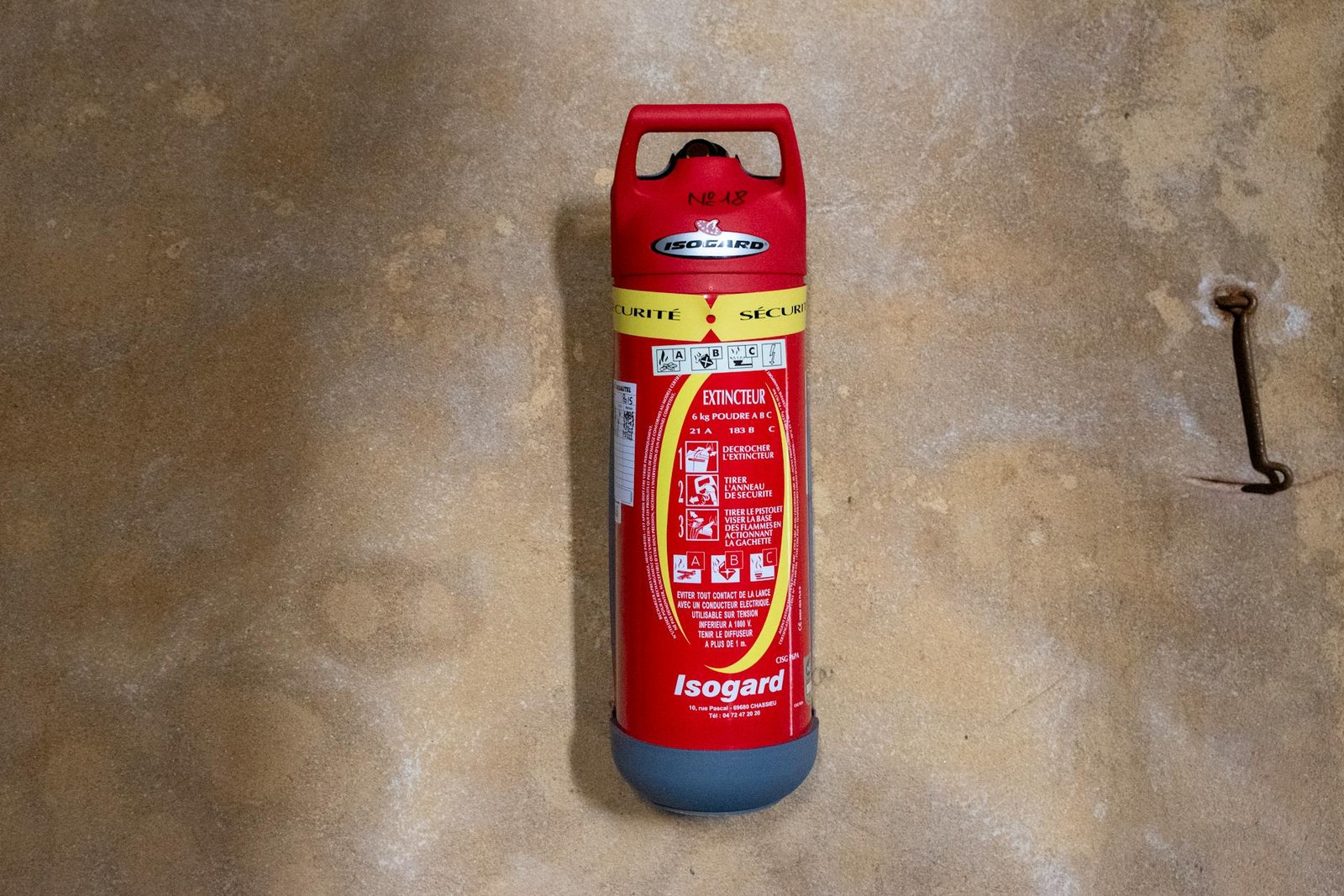
When we discuss the “fire extinguisher logo,” we must reference the technical specifications that govern the equipment itself. The IS 15683:2018 standard specifies the requirements for portable fire extinguishers. According to this standard, each extinguisher must be clearly labeled with its type, usage instructions, and the class of fire it is meant to extinguish. However, the signage on the wall behind or above the extinguisher is equally important.
The signage should be placed at a height that is visible from a distance, typically above the extinguisher, ensuring that even if the extinguisher is partially obscured by office furniture or warehouse stock, the location of the equipment is immediately apparent. In large industrial setups, we recommend the use of “projection signs”—signs that stick out from the wall at a 90-degree angle. This ensures that the fire extinguisher location is visible from multiple angles along a corridor.
The cost of implementation is relatively low compared to the risk of non-compliance. For a standard facility, high-quality, photoluminescent safety signs can range from ₹200 to ₹800 per unit, depending on the material (PVC, acrylic, or metal). When combined with the procurement of the extinguishers themselves—which typically cost between ₹1,500 and ₹3,000 for standard ABC fire extinguisher units, and up to ₹5,000–₹15,000 for specialized industrial CO2 or clean-agent extinguishers—the investment in proper signage is a negligible fraction of the total fire safety budget, yet it serves as the primary interface between the user and the equipment.
The PASS Method and Signage Integration
Having the signage is only half the battle; the sign itself should ideally reinforce the method of operation. In many modern facilities, we recommend placing a small “instructional placard” next to the extinguisher that details the PASS method. This is essential for ensuring that untrained staff can operate the equipment effectively under stress.
The PASS method is the industry standard for operating portable fire extinguishers:
1. Pull: Pull the pin on the extinguisher to break the tamper seal.
2. Aim: Aim the nozzle or hose at the base of the fire, not the flames themselves.
3. Squeeze: Squeeze the handle to release the extinguishing agent.
4. Sweep: Sweep the nozzle from side to side at the base of the fire until it appears to be extinguished.
If your facility signage includes a visual representation of the PASS method, you significantly increase the probability of a successful initial response. In the context of the NBC 2016, human factor engineering is a key component of fire safety. A sign that simply says “Fire Extinguisher” is helpful, but a sign that provides instructions on how to use the device is superior. During our site audits, we often find that employees are hesitant to use extinguishers because they do not know how to operate them. Proactive signage that combines the “fire extinguisher logo” with brief, illustrated instructions helps bridge this knowledge gap.
Strategic Placement and Maintenance
Placement is dictated by the occupancy type and the hazard level of the area. For instance, in a kitchen or a chemical storage area, the signage must be resistant to heat, moisture, and chemical fumes. Using standard paper-based stickers in these environments is a mistake; they will peel, fade, or become illegible over time. Instead, stainless steel or high-grade industrial-plastic signs should be used.
Maintenance of these signs is often overlooked. Under IS 2190 guidelines, fire safety equipment and their associated signage must be inspected during every maintenance cycle—typically every six months. During these inspections, the maintenance team should check for:
– Fading or peeling of the sign.
– Obstructions that block the line of sight to the sign.
– Whether the sign is still relevant to the equipment placed below it (e.g., if you have swapped an ABC extinguisher for a CO2 unit, the signage must be updated to reflect the correct usage).
For facility managers in India, tracking these maintenance cycles is essential for compliance. A simple, digitized logbook or a facility management software tool can help ensure that no sign is left un-inspected. Remember, the fire department inspector will check the visibility of these signs as part of their routine check. If a sign is missing or obscured, it is an immediate red flag.
Comparison of Fire Safety Signage Solutions
To help you make an informed decision for your facility, the following table compares common types of signage materials used in Indian industrial contexts.
| Signage Material | Durability | Visibility (Darkness) | Cost Range (per unit) |
| Vinyl Sticker | Low | Poor | ₹50 – ₹150 |
| PVC Board | Medium | Low | ₹150 – ₹400 |
| Photoluminescent PVC | High | Excellent | ₹300 – ₹800 |
| Metal/Stainless Steel | Very High | Low (unless reflective) | ₹500 – ₹1,200 |
Note: Prices are estimates based on current Indian market trends for high-quality industrial signage.
Frequently Asked Questions (FAQ)
Q: What is the mandatory color code for fire extinguisher signage in India?
A: According to the Bureau of Indian Standards, fire safety signage must typically use a red background with white symbols or text. This contrast ensures high visibility. Photoluminescent signs are highly recommended to ensure visibility during power cuts, which are common in fire emergencies.
Q: How many fire extinguishers do I need in a 5,000 sq. ft. office?
A: The number of extinguishers is determined by the fire load and the floor area. NBC 2016 provides specific guidelines for the distribution of fire-fighting equipment. Generally, you need to ensure that the travel distance to an extinguisher does not exceed 15-20 meters. Always consult with a fire safety expert to conduct a formal risk assessment.
Q: Does the signage need to explain how to use the extinguisher?
A: While not strictly mandatory for every sign, it is highly recommended. Including the PASS method (Pull, Aim, Squeeze, Sweep) on or near the extinguisher signage significantly increases the likelihood of effective use during an emergency.
Q: What does the IS 15683 standard cover regarding signage?
A: IS 15683:2018 primarily covers the performance and construction of portable fire extinguishers. However, it emphasizes that the extinguisher must have clear, indelible markings. These markings must be complemented by wall-mounted signage to ensure the equipment is easily located in an emergency.
Q: How often should I replace my fire safety signs?
A: You should inspect your signs every six months alongside your fire extinguisher maintenance. If a sign is faded, damaged, or no longer reflects the correct usage instructions, it should be replaced immediately. Photoluminescent signs generally have a lifespan of 3-5 years before their glow intensity begins to degrade.
Q: What are the legal consequences of not having proper signage?
A: Lack of proper signage is a direct violation of the NBC 2016 and local fire safety bylaws. This can lead to the denial of your building’s fire NOC, heavy fines, and significant legal liability in the event of a fire where the lack of equipment accessibility contributed to property damage or injury.
Conclusion
Fire safety is an integrated system where every component, from the pressure gauge on your extinguisher to the signage on the wall, plays a vital role. By adhering to the standards set forth in the NBC 2016 and IS 2190, facility managers can ensure that their premises are not only compliant with the law but are also genuinely prepared for emergencies.
At Safex, we understand that safety is a continuous process, not a one-time setup. Since Safex established 1972, we have remained committed to providing Indian industries with the expertise and high-quality equipment required to mitigate fire risks effectively. Whether you are looking to upgrade your current signage, conduct a compliance audit, or train your staff on the PASS method, having a reliable partner is essential. Ensure your fire extinguisher logos are visible, your staff is trained, and your equipment is serviced according to the latest IS standards.
Resources
For further information on fire safety standards and compliance in India, please refer to the following official resources:
– Bureau of Indian Standards (BIS) – Official Website for IS Codes
– National Building Code of India (NBC 2016) – Fire and Life Safety Section