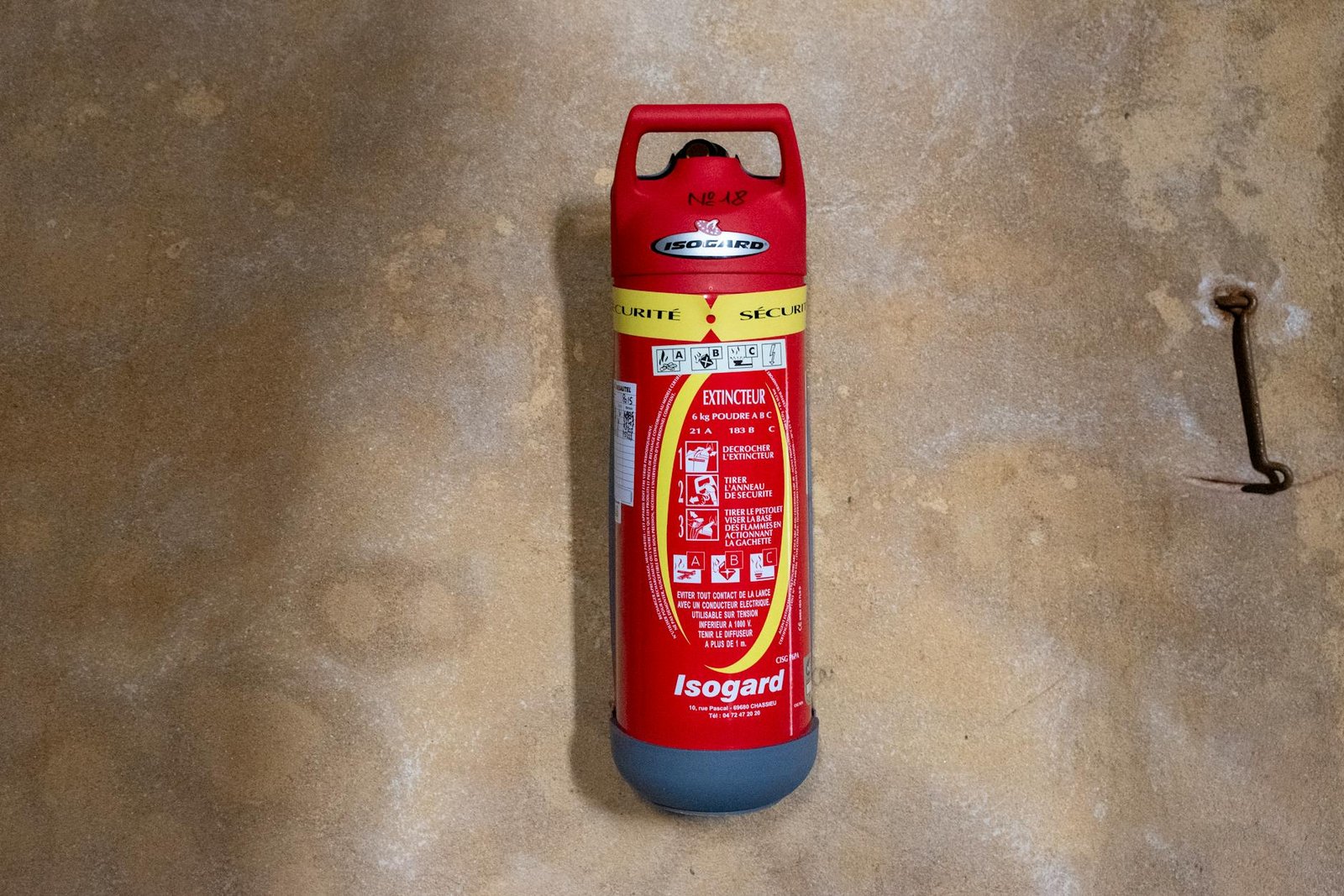
The selection, installation, and maintenance of fire extinguisher cylinders are not merely operational decisions for facility managers and business owners; they are critical components of a comprehensive life safety strategy. In the Indian context, where rapid industrialization and high-density urban infrastructure growth define the landscape, the margin for error in fire protection is nonexistent. Whether you are managing an IT park in Bengaluru, a textile warehouse in Gujarat, or a high-rise commercial complex in Mumbai, adherence to rigorous fire safety standards is a legal and ethical imperative.
Safex established 1972, and since our inception, we have witnessed the evolution of fire safety technology alongside the strengthening of Indian regulatory frameworks. Understanding the technical specifications of a fire extinguisher cylinder is the first step toward ensuring that when a fire emergency strikes, your equipment performs as expected. This guide provides a deep dive into the standards, selection criteria, and operational protocols required to maintain a fire-safe facility.
Understanding the Regulatory Landscape: IS Standards and NBC 2016
Fire safety in India is governed by a robust framework of standards designed to ensure that equipment is reliable, effective, and standardized across the country. For any professional involved in building management, familiarity with the National Building Code (NBC) 2016 is non-negotiable. NBC 2016, specifically Part 4 (Fire and Life Safety), provides the definitive guidelines for fire prevention, life safety, and fire protection in various types of buildings.
When it comes specifically to portable fire extinguishers, the benchmark is IS 15683:2018. This Indian Standard outlines the requirements for the design, construction, and performance of portable fire extinguishers. Compliance with IS 15683 ensures that the cylinder shell, the extinguishing agent, the valve assembly, and the pressure gauge meet specific safety thresholds. Utilizing non-certified or substandard cylinders is a high-risk gamble that can lead to catastrophic failure during an actual fire event, not to mention the potential for significant legal liability and insurance claim rejection in the event of an investigation.
Furthermore, IS 2190 provides the essential code of practice for the selection, installation, and maintenance of these devices. It dictates the distribution density, the mounting height, and the inspection frequency. Ignoring these codes does not just expose you to penalties from local fire authorities; it fundamentally compromises the safety of your employees and assets.
Selecting the Right Cylinder: Technical Specifications and Pricing
Choosing the correct fire extinguisher cylinder depends heavily on the “Class of Fire” hazard present in your environment. Fire is categorized into classes based on the fuel source: Class A (solids like wood/paper), Class B (flammable liquids), Class C (flammable gases), and Class D (combustible metals). Additionally, electrical fires require non-conductive extinguishing agents.
In Indian commercial and industrial settings, the most common choices are ABC Powder, CO2, and Water-type extinguishers.
1. ABC Powder Extinguishers: These are versatile and effective for multi-hazard environments. They are the most common choice for general offices and mixed-use facilities.
2. CO2 Extinguishers: These are ideal for server rooms and electrical installations because they do not leave a residue that could damage sensitive electronics.
3. Water-type Extinguishers: Primarily used for Class A fires, though they are increasingly being supplemented by more modern foam-based variants.
Regarding investment, facility managers must be aware of market pricing. For a standard 2kg ABC powder extinguisher, you can expect a price range of ₹1,500 to ₹3,000, depending on the brand and certification level. Larger industrial-grade 6kg or 9kg units typically range from ₹3,500 to ₹7,000. For high-capacity CO2 extinguishers used in data centers, costs can escalate to ₹5,000 to ₹15,000 for high-quality, long-lasting units. Always factor in the cost of annual maintenance and periodic hydrostatic pressure testing as mandated by IS 15683.
Operational Excellence: The PASS Method
Having the right fire extinguisher cylinder is only half the battle; the ability of staff to utilize it effectively is the other half. In a high-pressure, smoke-filled environment, panic can lead to critical mistakes. Therefore, training personnel in the PASS method is a mandatory requirement for any safety program.
The PASS method is a simple, standardized protocol for operating a fire extinguisher:
It is vital to conduct regular fire drills where employees practice these steps with discharged or training units. A facility manager who fails to train staff on the PASS method is essentially paying for equipment that will remain unused or misused during an emergency.
Maintenance and Inspection Cycles
The effectiveness of a fire extinguisher cylinder is entirely dependent on its maintenance status. Under IS 2190, extinguishers must undergo regular inspections. A visual inspection should be conducted monthly to ensure the pressure gauge needle is in the green zone, the safety seal is intact, and the cylinder shell is free from corrosion or dents.
Annual maintenance, however, is a more rigorous process. This involves discharging the unit, inspecting the internal components for signs of deterioration, refilling the agent, and conducting a hydrostatic pressure test if the cylinder has reached its age limit. Many facility managers in India mistakenly believe that an extinguisher is “good forever” as long as it has not been used. This is a dangerous misconception. Over time, the chemical agents in powder extinguishers can cake, and the seals in CO2 units can degrade.
In industrial hubs like the manufacturing belts of Pune or the chemical zones of Gujarat, the environment can be harsh. Dust, humidity, and corrosive chemicals can significantly shorten the lifespan of the cylinder casing. In such environments, it is recommended to exceed the minimum maintenance frequency specified by IS standards to ensure the safety of the workforce. Documenting these inspections in a formal fire safety logbook is also a legal requirement for compliance audits.
Comparison Table: Fire Extinguisher Types for Indian Environments
| Feature | ABC Powder Extinguisher | CO2 Extinguisher | Water/Foam Extinguisher |
| Best Used For | Class A, B, C & Electrical | Class B & Electrical | Class A & B |
| Residue | Leaves powdery residue | None (Clean agent) | Leaves liquid residue |
| Conductivity | Non-conductive | Non-conductive | Conductive (Water only) |
| Price Range | ₹1,500 – ₹6,000 | ₹3,000 – ₹12,000 | ₹2,000 – ₹5,000 |
FAQ: Frequently Asked Questions for Decision Makers
Q: How often must I replace my fire extinguisher according to IS standards?
A: While the lifespan of a cylinder can vary based on the environment, IS 15683 and IS 2190 suggest that hydrostatic testing and thorough maintenance should be performed at specific intervals. Generally, a cylinder should be replaced or subjected to a major overhaul every 5 to 10 years, depending on the type and condition.
Q: Is it mandatory to have an extinguisher in a small office space?
A: Yes. Under the NBC 2016 guidelines, every commercial occupancy, regardless of size, must have adequate fire protection. Even small offices should have at least one 4kg or 6kg ABC powder extinguisher mounted at an accessible location.
Q: What is the significance of the pressure gauge on the cylinder?
A: The pressure gauge indicates the internal pressure of the cylinder. If the needle is in the “Green” zone, the unit is pressurized and ready for use. If it is in the red zones, the unit is either over-pressurized or under-pressurized and must be serviced immediately.
Q: Can I use a CO2 extinguisher on a wooden fire?
A: While a CO2 extinguisher will displace oxygen, it is not the most effective tool for deep-seated Class A fires (wood/paper). ABC powder or water-based extinguishers are far more effective for solid combustibles.
Q: What is the PASS method and why is it important?
A: The PASS method (Pull, Aim, Squeeze, Sweep) is the industry-standard technique for operating portable extinguishers. It ensures the extinguishing agent is directed at the base of the fire, maximizing efficiency and safety for the operator.
Q: How much should I budget for fire safety compliance annually?
A: Budgeting depends on the facility size. For a medium-sized office, you should allocate for annual maintenance costs, which typically involve a service fee of ₹200–₹500 per unit, plus the cost of any necessary refills or replacements. High-risk industrial facilities should budget significantly more for periodic audits and specialized equipment.
Resources
For further information on fire safety regulations and compliance, please consult the following official resources:
Conclusion
Fire safety is a continuous process, not a one-time purchase. As we have explored, the selection of the correct fire extinguisher cylinder, combined with strict adherence to IS 15683 and NBC 2016, forms the bedrock of a safe working environment. Whether you are upgrading your current fire safety systems or setting up a new facility, the quality of your equipment and the competence of your staff are the two factors that will ultimately determine the outcome of a fire emergency.
At Safex, we understand the complexities of the Indian fire safety landscape. Safex established 1972, and for over five decades, we have remained committed to providing industry-leading solutions that protect lives and properties across the nation. By prioritizing compliance, regular maintenance, and comprehensive training, you are not just ticking boxes for an audit—you are ensuring the continuity of your business and the safety of every individual who enters your premises. Invest in quality, stay informed on the latest standards, and never underestimate the role of a properly maintained fire extinguisher in your overall safety strategy.