Fire safety is not merely a box-ticking exercise for property insurance or municipal clearance; it is the fundamental architecture of life safety within the Indian built environment. Whether you are managing a high-rise IT park in Bengaluru, a chemical manufacturing unit in the industrial belts of Gujarat, or a commercial complex in Delhi, the equipment you choose and the way your team interacts with it determines the difference between a minor incident and a catastrophic loss. At Safex Fire Services, we have been at the forefront of this industry since we were established in 1972, witnessing the evolution of safety protocols from basic bucket-sand setups to the sophisticated, integrated fire suppression systemss mandated by modern regulations.
While the pronunciation of “fire extinguisher” is standard across the English-speaking world, the application of the technology is deeply rooted in local Indian Standards (IS). Compliance with these standards is not voluntary; it is a legal requirement under the National Building Code (NBC) of India. In this guide, we break down the critical aspects of fire safety equipment, the legal framework governing them, and the practical steps every facility manager must take to ensure their premises are protected.
The Regulatory Framework: NBC 2016 and IS Standards
In India, the primary document governing fire safety is the National Building Code (NBC) 2016. Part 4 of the NBC provides comprehensive guidelines on fire and life safety, covering everything from the classification of buildings to the specific fire-fighting installations required based on occupancy type. For a facility manager, the NBC 2016 is the bible of compliance. It dictates the number, type, and placement of fire extinguishers required for different floor areas and hazard levels.
When you procure fire safety equipment, you are not just buying a cylinder; you are buying a certified life-safety device. This is where IS 15683:2018 becomes critical. IS 15683 is the Indian Standard that specifies the requirements for portable fire extinguishers. It covers design, construction, performance testing, and labeling. Any extinguisher installed in an Indian facility must adhere to IS 15683 to ensure that it functions reliably under the intense heat and humidity conditions often found in the subcontinent.
Non-compliance with these standards can lead to severe penalties, ranging from the cancellation of occupancy certificates to legal liability in the event of a fire-related fatality. Furthermore, insurance companies frequently deny claims if it is discovered that the installed equipment did not meet the relevant IS specifications or was not maintained according to IS 2190, the code of practice for the selection, installation, and maintenance of portable fire extinguishers.
Selection and Maintenance: Beyond the Price Tag
The market for fire extinguishers in India is vast, but it is also prone to the circulation of substandard, uncertified products. Decision-makers must look past the initial cost and focus on the long-term reliability of the asset.
For a standard 2kg ABC powder extinguisher, you can expect to pay anywhere from ₹1,500 to ₹3,000 depending on the brand, valve quality, and certification status. Larger, industrial-grade 6kg or 9kg extinguishers typically range from ₹3,500 to ₹7,000. For specialized clean agent or CO2 extinguishers, which are essential for server rooms and electrical panels, costs can rise to ₹5,000-₹15,000. While it may be tempting to source the cheapest options from unverified vendors, these units often fail the discharge test or suffer from pressure loss due to poor-quality seals.
Maintenance is equally vital. IS 2190 stipulates that extinguishers must be inspected monthly and serviced annually. This involves checking the pressure gauge, ensuring the safety pin is intact, verifying the seal, and checking the nozzle for blockages. In industrial environments like warehouses or manufacturing plants, these inspections should be even more rigorous. A neglected extinguisher is a false sense of security; when the moment of truth arrives, it must operate flawlessly.
The PASS Method: Empowering Your Workforce
Technology is only as effective as the people operating it. In a fire emergency, panic is the greatest enemy. Training your staff to use fire extinguishers correctly is a mandatory requirement for fire safety audits in India. The industry-standard method for operating a portable fire extinguisher is the PASS method:
1. Pull: Pull the safety pin at the top of the extinguisher. This pin releases the locking mechanism and allows you to discharge the extinguisher.
2. Aim: Aim the nozzle or hose at the base of the fire, not the flames. The fuel source is located at the base, and cooling or smothering the flames alone is ineffective if the fuel continues to burn.
3. Squeeze: Squeeze the handle slowly and evenly. This releases the extinguishing agent.
4. Sweep: Sweep the nozzle from side to side at the base of the fire until it appears to be extinguished. Watch the area closely; if the fire re-ignites, repeat the process.
It is critical that you conduct regular mock drills. Theoretical knowledge is rarely sufficient under the stress of a real fire. By integrating the PASS method into your quarterly safety training sessions, you ensure that your employees can act instinctively when seconds count.
Comparative Analysis of Fire Suppression Media
Selecting the right extinguishing medium is essential for minimizing collateral damage. Using water on an electrical fire, for example, can be fatal, while using powder on sensitive electronic equipment can cause irreversible damage to the hardware.
| Fire Class | Suitable Medium | Application Context |
| Class A (Solids) | Water / ABC Powder | Offices, Wood, Paper, Cloth |
| Class B (Liquids) | Foam / CO2 / Powder | Fuel depots, Kitchens, Paint stores |
| Class C (Electrical) | CO2 / Clean Agent | Server rooms, Control panels |
| Class D (Metals) | Specialized Powder | Metal workshops, Industrial plants |
As shown in the table above, the classification of fire determines the medium. For modern offices in India, the most versatile choice is the ABC powder extinguisher, as it covers Class A, B, and C fires. However, for high-value assets like data centers, clean agents are preferred to ensure that the equipment remains operational after the fire is suppressed.
Common Pitfalls in Fire Safety Procurement
Many facility managers fall into the trap of over-buying or under-buying based on incorrect assessments. A common mistake is failing to consider the “travel distance” requirements outlined in the NBC 2016. The code specifies the maximum distance an occupant should have to travel to reach a fire extinguisher. If your facility is too large or has complex partitions, the number of extinguishers required will be higher than in an open-plan office.
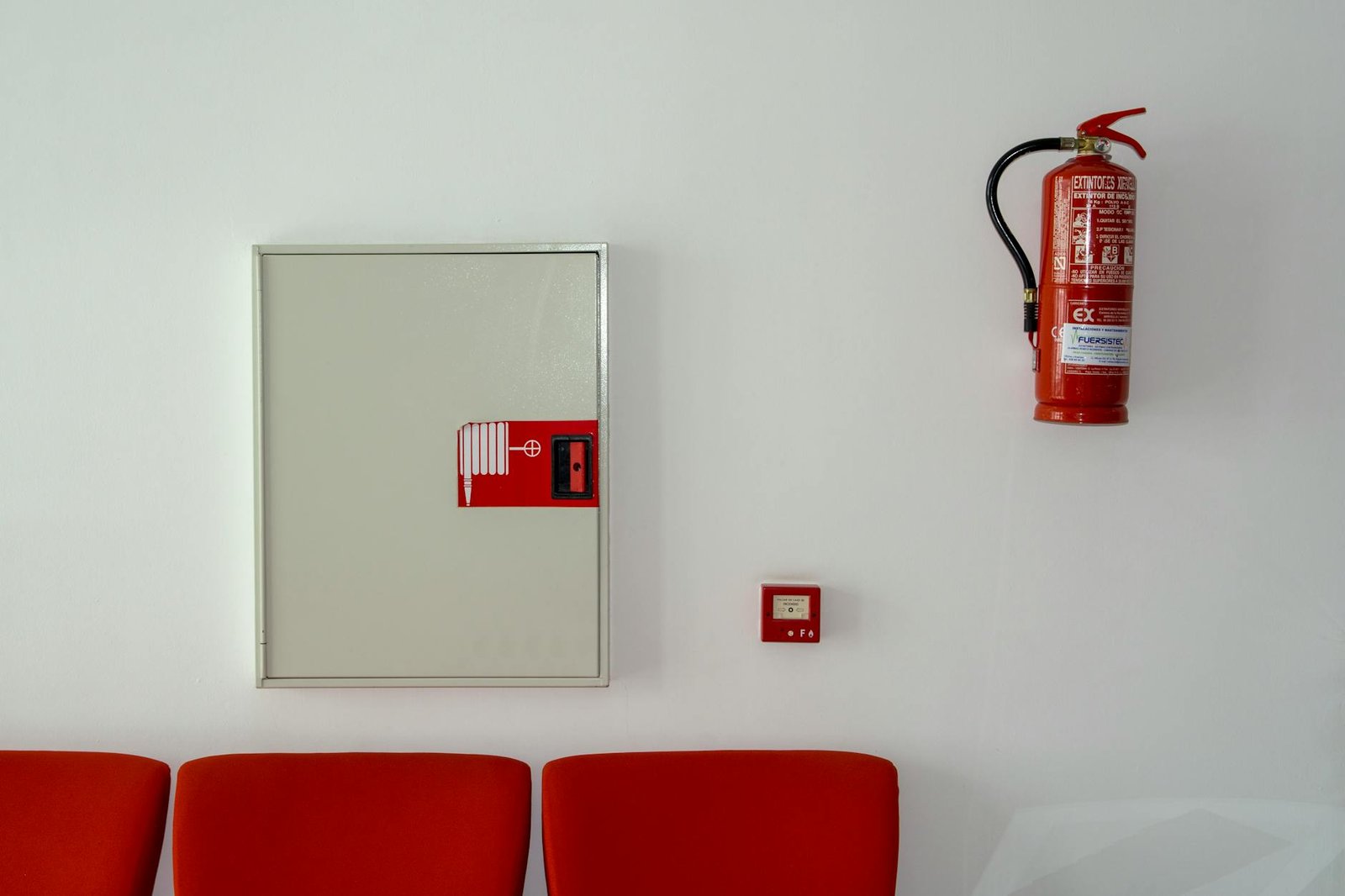
Another frequent oversight is the placement of extinguishers. They must be mounted in visible, accessible locations, usually near exits or along escape routes. Placing them inside closed cabinets that require keys or behind heavy furniture renders them useless in an emergency. Furthermore, the height of the mounting is regulated; they should not be mounted too high for a person of average height to remove easily.
Finally, consider the environmental conditions. In humid coastal regions like Mumbai or Chennai, corrosion is a significant factor. Opt for extinguishers with high-quality powder coating and stainless steel or reinforced plastic components to prevent the body from rusting, which can lead to a dangerous rupture during pressurization.
FAQ: Frequently Asked Questions
Q: How often must I replace my fire extinguishers?
A: According to IS 2190, the service life of an extinguisher depends on its condition and the manufacturer’s guidelines. However, most extinguishers require a hydrostatic pressure test every 5 years and a complete replacement of the extinguishing agent periodically. If an extinguisher is damaged or shows signs of corrosion, it must be replaced immediately, regardless of its age.
Q: Can I use any fire extinguisher for an electrical fire?
A: Absolutely not. You must use a non-conductive extinguishing agent. CO2 extinguishers or clean agent extinguishers are the standard for electrical fires because they do not leave a residue and do not conduct electricity, protecting both the user and the equipment.
Q: What is the significance of the “ABC” rating on an extinguisher?
A: The “ABC” rating indicates that the extinguisher is capable of putting out three types of fires: Class A (ordinary combustibles like wood and paper), Class B (flammable liquids like petrol and oil), and Class C (energized electrical equipment). This makes it the most common and versatile choice for general building safety.
Q: Is it mandatory to have fire extinguishers in small shops or offices?
A: Yes. Under the National Building Code (NBC) 2016 and local fire department regulations, even small commercial establishments are required to maintain a minimum level of fire protection, which includes portable extinguishers, to ensure the safety of occupants and compliance with municipal fire safety norms.
Q: How much does it cost to recharge a used fire extinguisher?
A: Recharging costs vary by capacity and agent type, typically ranging from ₹500 to ₹2,000. It is a cost-effective alternative to buying a new unit, provided the cylinder itself has passed its periodic pressure testing and is not structurally compromised.
Q: Why is the PASS method emphasized during safety training?
A: The PASS method is a simple, mnemonic-based technique designed to be easily remembered during the high-stress environment of a fire. By breaking down the operation into four distinct, logical steps—Pull, Aim, Squeeze, Sweep—it minimizes user error and maximizes the efficiency of the fire suppression effort.
Conclusion
Fire safety is an ongoing process of vigilance, compliance, and preparedness. By adhering to the standards set forth in IS 15683 and the NBC 2016, you are not only protecting your property but also fulfilling a moral and legal obligation to everyone who enters your premises. Whether you are conducting a routine inspection or designing a fire safety strategy for a new facility, the importance of using certified equipment and trained personnel cannot be overstated.
At Safex Fire Services, we have been dedicated to these principles since we were established in 1972. Our decades of experience in the Indian market have shown us that fire safety is about more than just the hardware—it is about the culture of safety you build within your organization. We encourage all facility managers and business owners to audit their current fire safety status, ensure all equipment is compliant with current IS standards, and invest in regular, hands-on training for their staff. Prevention is the most effective fire-fighting tool you will ever possess.
Resources
For further information on fire safety compliance and best practices, please refer to the following official resources:
National Building Code of India – Fire and Life Safety
Bureau of Indian Standards – IS 15683 Specifications