
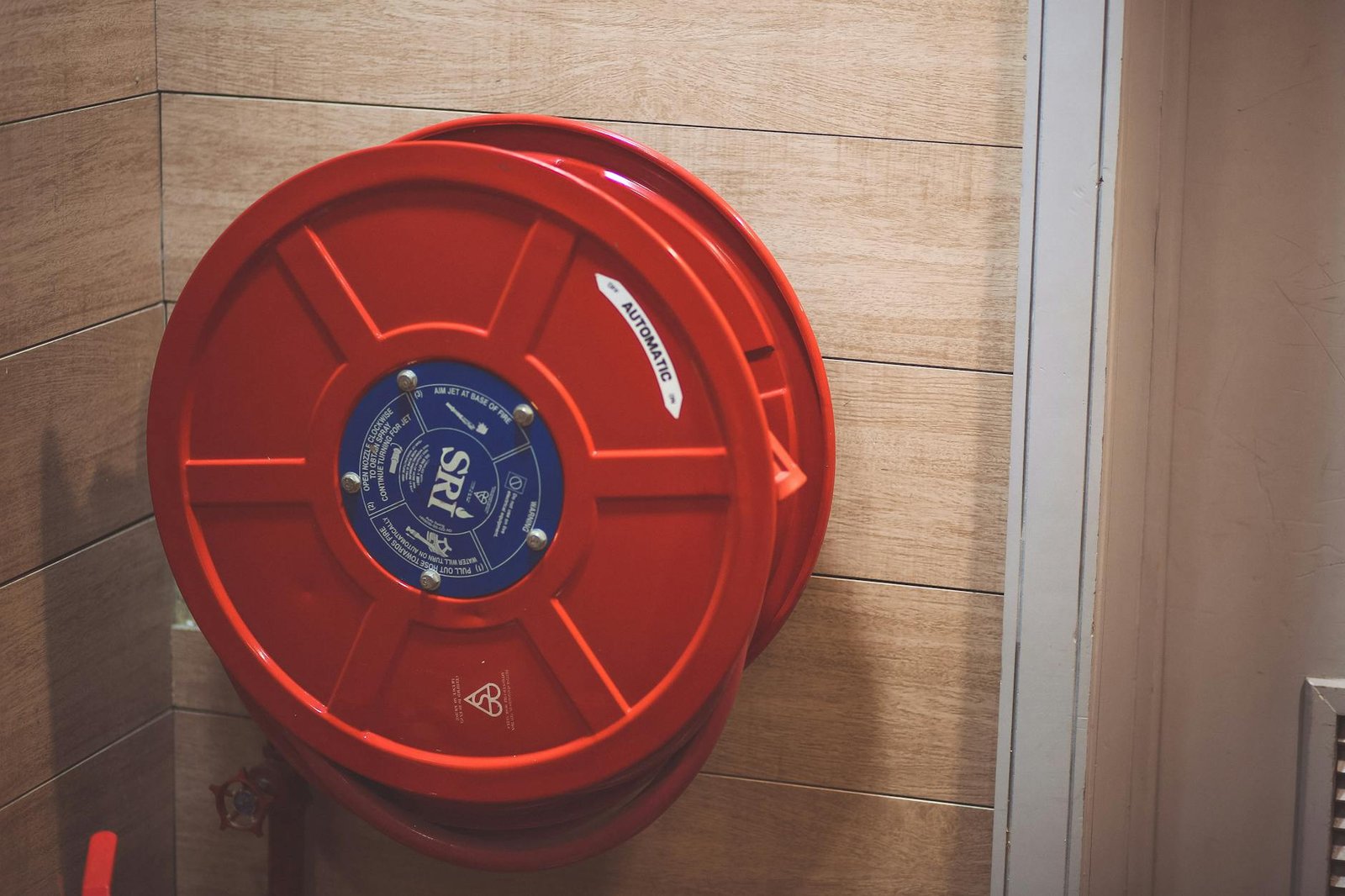
Fire safety is not merely a regulatory checkbox; it is a fundamental pillar of operational continuity for any business, industrial unit, or residential complex in India. As urbanization accelerates, the complexity of fire protection systems has increased to match the diverse risks posed by modern infrastructure. Whether you are managing a high-rise IT park in Bengaluru, a chemical warehouse in Gujarat, or a manufacturing plant in the industrial belts of Maharashtra, understanding the nuance of fire system types is critical for life safety and asset protection. Since Safex established 1972, we have observed that the most effective fire safety strategies are those that integrate early detection, rapid suppression, and strict adherence to the National Building Code (NBC) of India.
The Foundation of Fire Safety: NBC 2016 and Regulatory Compliance
The National Building Code (NBC) 2016, specifically Part 4 on Fire and Life Safety, serves as the definitive roadmap for fire protection in India. Compliance with these standards is not optional; it is a legal requirement that protects facility managers from significant liability. When designing a fire safety strategy, the first step is a comprehensive risk assessment, which dictates the type of fire systems required.
The NBC 2016 categorizes buildings based on occupancy, height, and fire load. For instance, a commercial high-rise requires a more robust integrated system than a low-rise warehouse. The code mandates specific requirements for fire detection, alarm systems, and suppression mechanisms. Failure to adhere to these standards can result in the revocation of a No Objection Certificate (NOC) from the local fire authority, heavy fines, and, in catastrophic scenarios, criminal liability. At Safex, we emphasize that a fire system is only as strong as its weakest component. Whether it is the placement of fire hydrant systems or the sensitivity of smoke detectors, every element must align with the prescriptive requirements of the NBC to ensure that, in the event of an emergency, the systems function exactly as intended.
Active Fire Protection: Suppression Systems and Extinguishers
Active fire protection refers to systems that require action—either manual or automatic—to suppress a fire. This is the most visible layer of defense in any facility. The cornerstone of manual suppression remains the portable fire extinguisher. According to IS 15683:2018, which provides the specifications for portable fire extinguishers, these devices must be selected based on the fire class (A, B, C, or D).
For a typical office environment, you might look at a 2kg or 4kg ABC powder-based extinguisher, which typically ranges from ₹1,500 to ₹3,000. In industrial settings where high-capacity suppression is required, a 9kg trolley-mounted unit might be necessary, costing anywhere from ₹5,000 to ₹15,000 depending on the extinguishing agent and build quality.
When utilizing these devices, it is vital that staff are trained in the PASS method:
1. Pull: Pull the pin on the extinguisher to break the tamper seal.
2. Aim: Aim the nozzle or hose at the base of the fire, not the flames themselves.
3. Squeeze: Squeeze the handle to release the extinguishing agent.
4. Sweep: Sweep the nozzle from side to side at the base of the fire until it appears to be extinguished.
Beyond portable units, automatic fire sprinkler systems and gas-based suppression systems (like clean agent fire extinguisher or CO2 flooding) are essential for protecting server rooms and sensitive electrical equipment where water damage must be avoided.
Passive Fire Protection: Containment and Structural Integrity
While active systems fight the fire, passive fire protection (PFP) is designed to contain the fire and prevent its spread. PFP is an integral part of the building’s architecture and is often overlooked until a fire occurs. This includes fire-resistant walls, fire doors, and the sealing of cable penetrations.
In the Indian context, where many buildings utilize steel structures, intumescent coatings are a critical PFP measure. These coatings expand when exposed to heat, creating a thick, insulating char that protects the structural steel from losing its load-bearing capacity. According to IS 2190 guidelines, which govern the selection and maintenance of fire protection equipment, the integrity of these passive barriers must be audited annually. If a fire door is propped open or a fire-rated wall is punctured for electrical cabling without being properly sealed with fire-stop materials, the entire suppression system’s effectiveness is compromised. Facility managers must conduct regular inspections to ensure that these passive elements remain intact, as they provide the vital “time” required for occupants to evacuate and for fire services to arrive.
Fire Detection and Alarm Systems: The Early Warning Mechanism
A fire system is useless if it does not trigger an alarm in time. Modern fire detection systems have evolved from simple smoke sensors to intelligent addressable systems that can pinpoint the exact location of a fire. An addressable system is highly recommended for large facilities like hospitals or IT parks, as it provides the fire control panel with specific data on which detector has been triggered, allowing security teams to respond to the exact zone of the emergency.
The installation of these systems must follow the guidance provided in IS 2190. A critical failure point in many Indian facilities is the lack of proper maintenance for these systems. Sensors can become clogged with dust in industrial environments, or batteries in manual call points can fail. We recommend a strict quarterly maintenance schedule where every smoke detector is tested for sensitivity and every manual call point is verified. In a high-occupancy building, the integration of the fire alarm system with the building’s HVAC and access control systems is essential. For example, upon detection of smoke, the system should automatically signal the HVAC system to shut down to prevent the spread of smoke through ducts, and simultaneously trigger the release of electromagnetic locks on fire exit doors.
Comparison of Common Fire Safety Systems
The following table provides a comparative overview of the most frequent systems encountered in Indian commercial and industrial facilities.
| System Type | Primary Function | Ideal Application | Compliance/Standard |
| Portable Extinguishers | Manual suppression | Offices, small shops, vehicles | IS 15683:2018 |
| Sprinkler Systems | Automatic suppression | Warehouses, malls, high-rises | NBC 2016 Part 4 |
| Addressable Alarms | Detection & signaling | Large campuses, IT parks | IS 2189 |
| Fire Hydrant Systems | Large-scale suppression | Industrial plants, residential towers | NBC 2016 |
The Role of Professional Maintenance and Audits
The most sophisticated fire system is only as effective as its maintenance schedule. In India, we frequently see facilities that install high-end equipment but fail to conduct the necessary periodic testing. IS 2190 provides the code of practice for the selection, installation, and maintenance of portable fire extinguishers, but this philosophy of rigorous maintenance must be applied to the entire fire safety ecosystem.
An annual fire safety audit is a non-negotiable requirement for many businesses under local municipal bylaws. During these audits, professionals examine the pressure levels in fire hydrants, the battery backup of the fire alarm control panel, and the operational status of emergency lighting. For facility managers, the cost of a professional audit is negligible compared to the potential loss of life or the legal repercussions of a system failure. We recommend engaging with certified fire safety consultants who are well-versed in the specific local amendments to the National Building Code, as state-level regulations can sometimes be more stringent than the national guidelines.
FAQ: Common Questions from Facility Managers
Q: How often should fire extinguishers be inspected according to Indian standards?
A: According to IS 2190, fire extinguishers should be inspected at least once a month to ensure they are in their designated place, the pressure gauge is in the green zone, and the nozzle is unobstructed. A professional maintenance service should conduct a thorough inspection at least once a year.
Q: What is the estimated cost to install a basic fire suppression system for a small office?
A: For a small office (approx. 1,000 sq. ft.), a basic setup including 3-4 portable extinguishers and a few smoke detectors can cost between ₹15,000 and ₹30,000. Larger systems involving sprinklers and integrated panels will vary significantly based on the square footage and fire risk.
Q: Why is the PASS method important for my staff?
A: The PASS method (Pull, Aim, Squeeze, Sweep) provides a simple, memorable sequence that prevents panic during a fire. It ensures that the extinguishing agent is used effectively at the base of the fire, maximizing the chances of containment before it spreads.
Q: Does my building need an addressable fire alarm system?
A: If your building is large, has multiple floors, or is a complex, an addressable system is highly recommended. Unlike conventional systems, addressable systems identify the exact detector location, which is crucial for rapid response in multi-zone facilities.
Q: What happens if I do not comply with the NBC 2016 guidelines?
A: Non-compliance can lead to the rejection of fire NOC renewal, which may force the closure of your facility. Furthermore, in the event of a fire, insurance claims may be denied if the fire safety systems are found to be non-compliant with the National Building Code.
Q: How do I choose the right fire extinguisher for my facility?
A: You must choose based on the fire class. For paper/wood (Class A), water or ABC powder is suitable. For electrical fires (Class C), use CO2 or clean agent extinguishers. Refer to IS 15683 to ensure your equipment meets Indian safety specifications.
Resources
For further reading on fire safety standards and regulatory requirements, please refer to the following official documentation:
Conclusion
Fire safety is a continuous process of evaluation, installation, and maintenance. From the placement of a simple portable extinguisher to the design of a full-scale fire hydrant network, every decision impacts the safety of your occupants and the longevity of your assets. By strictly adhering to the National Building Code and ensuring that all equipment meets the standards set by IS 15683, you are not just fulfilling a regulatory obligation; you are building a culture of safety.
At Safex, we understand that every facility has unique requirements. Since Safex established 1972, we have remained committed to providing high-quality fire safety solutions that stand the test of time and meet the rigorous demands of the modern Indian industrial and commercial landscape. Whether you are upgrading an existing system or planning a new facility, prioritize quality equipment and professional installation to ensure you are always prepared for the unexpected. When it comes to fire safety, there is no room for compromise.