
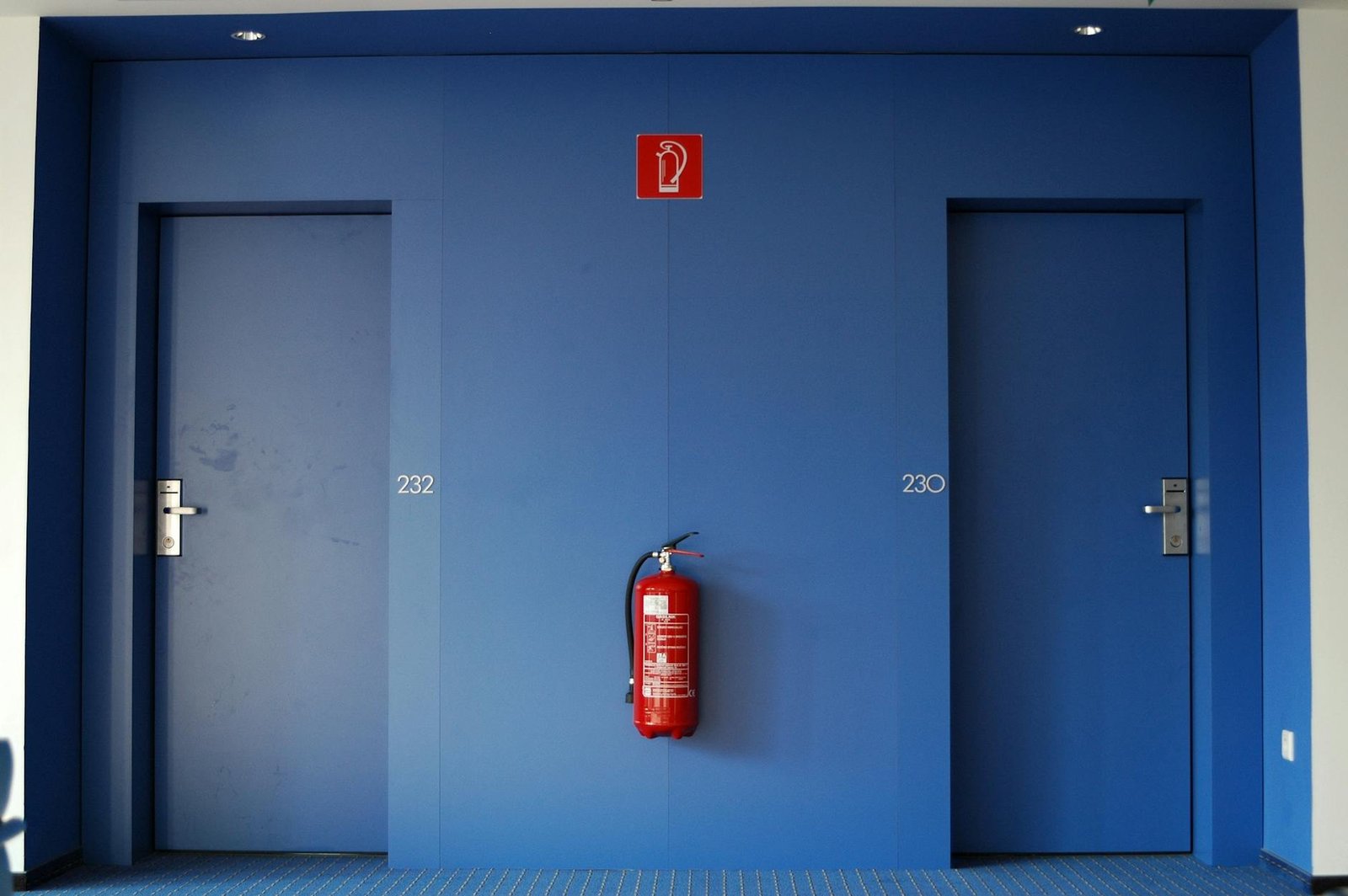
Introduction: Why Water Mist is the Future of Fire Protection
In the rapidly evolving landscape of Indian industrial and commercial infrastructure, fire safety is no longer just a regulatory checkbox; it is a critical component of business continuity. As facility managers and architects navigate the complexities of modern building design, traditional fire sprinkler systems are increasingly being supplemented—or replaced—by advanced water mist fire suppression technology. This shift is driven by the need for high-efficiency cooling, minimal water damage, and superior fire knockdown capabilities in high-value environments like data centers, archives, and electrical substations.
Safex established 1972, and since our inception, we have witnessed the evolution of fire safety technology from basic manual suppression to sophisticated, automated systems. Our decades of experience have shown that while portable extinguishers remain the first line of defense, the strategic deployment of fixed water mist systems is essential for protecting modern, high-density assets. Understanding how these systems integrate with the National Building Code (NBC 2016) is vital for any decision-maker aiming to achieve both compliance and operational resilience.
The Mechanics and Advantages of Water Mist Technology
Water mist systems operate on a fundamental principle of physics: increasing the surface area of water droplets to maximize heat absorption and oxygen displacement. Unlike traditional sprinklers that discharge large volumes of water, water mist systems use high-pressure pumps or cylinders to atomize water into ultra-fine droplets. These droplets expand into steam upon contact with the fire, absorbing massive amounts of heat and effectively suffocating the blaze.
For Indian industry, where water scarcity and sensitive equipment are common concerns, water mist offers a compelling value proposition. Because the system uses significantly less water than conventional sprinkler systems, the secondary damage caused by water runoff is drastically reduced. This is particularly relevant for IT parks in Bengaluru or pharmaceutical laboratories in Gujarat, where the cost of water damage to servers or sensitive research equipment can far exceed the cost of the fire itself.
Furthermore, water mist systems are highly effective at suppressing Class A (solid combustibles), Class B (flammable liquids), and Class C (electrical) fires. This versatility makes them an ideal choice for complex environments where multiple fire hazards exist in close proximity. When integrated with fire detection systems, these installations provide a rapid, localized response that minimizes downtime and protects the building structure, aligning with the stringent safety requirements outlined in NBC 2016 Part 4.
Compliance and Standards: Navigating NBC 2016 and IS Standards
In India, the legal framework for fire safety is governed by the National Building Code (NBC 2016) and various Indian Standards (IS). While IS 15683:2018 provides the specification for portable fire extinguishers, fixed systems like water mist must be designed to meet the rigorous performance criteria defined in international standards, which are increasingly being adopted or referenced by local authorities in India.
Compliance is not merely about installation; it is about proper system integration, regular maintenance, and rigorous testing. According to IS 2190, which covers the selection, installation, and maintenance of fire suppression equipment, every system must be subjected to periodic inspections to ensure operational readiness. Failure to maintain these systems can result in severe legal liabilities, including the revocation of a No Objection Certificate (NOC) from the local fire department and significant financial penalties in the event of a fire-related incident.
Facility managers must ensure that any water mist installation is performed by certified professionals who understand the hydraulic calculations and nozzle placement requirements. Inadequate design—such as improper nozzle spacing or insufficient pressure—can lead to “shadowing,” where areas of the fire are left unprotected. By adhering to the guidelines set forth in NBC 2016, organizations can ensure that their fire safety infrastructure is robust enough to withstand rigorous fire audits and provides genuine protection to both human life and physical assets.
Cost Analysis and Investment Considerations
One of the most frequent questions we encounter from facility managers involves the capital expenditure (CAPEX) associated with water mist systems. While these systems are inherently more expensive to install than traditional wet-pipe sprinkler systems, the total cost of ownership (TCO) often makes them a superior choice for high-value assets.
For smaller, portable fire suppression needs, organizations should allocate budgets based on current market rates. For instance, a standard portable extinguisher compliant with IS 15683:2018 may cost between ₹1,500 and ₹3,000 for a 2kg unit, while larger industrial extinguishers can range from ₹5,000 to ₹15,000 depending on the extinguishing agent and capacity. When moving to fixed water mist systems, the investment scales significantly, often requiring an initial outlay of several lakhs depending on the square footage and hazard level.
However, consider the cost of downtime. If a fire occurs in a data center, the loss of operational capacity and the destruction of hardware can reach into crores. In this context, the premium paid for water mist technology acts as an insurance policy. We advise clients to conduct a comprehensive risk assessment before procurement. This assessment should weigh the cost of installation against the potential losses of sensitive infrastructure. Investing in high-quality systems today prevents the catastrophic financial impact of a fire-related failure tomorrow.
Operational Best Practices: The PASS Method
While fixed systems provide automated protection, human intervention remains the primary defense during the early stages of an ignition. Every employee in a facility—whether it is a warehouse or an office—should be trained in the PASS method to operate portable fire extinguishers effectively.
1. Pull: Pull the pin at the top of the extinguisher. This breaks the tamper seal and allows you to discharge the extinguisher.
2. Aim: Aim the nozzle or hose at the base of the fire, not at the flames themselves. You need to target the fuel source to extinguish the fire.
3. Squeeze: Squeeze the handle or lever slowly and evenly to release the extinguishing agent.
4. Sweep: Sweep the nozzle from side to side at the base of the fire until it appears to be out. If the fire flares up again, repeat the process.
Training staff on this method is a mandate under the fire safety protocols of most Indian states. Regular mock drills should be conducted to ensure that the PASS method becomes second nature to your workforce. Remember, the effectiveness of any fire safety equipment is only as good as the person operating it.
Comparison Table: Fire Suppression Technologies
| Feature | Water Mist Systems | Traditional Sprinklers | Chemical Gas Systems |
| Water Usage | Very Low (Atomized) | High (Volume based) | None |
| Damage Potential | Minimal (Clean) | High (Water damage) | Negligible |
| Primary Use | Data Centers, Archives | General Warehousing | Server Rooms, Labs |
| Compliance | High (Advanced) | High (Standard) | High (Specialized) |
FAQ: Frequently Asked Questions
Q: How does water mist comply with IS 15683:2018?
A: IS 15683:2018 specifically covers portable fire extinguishers. While water mist technology is often applied in fixed systems, portable water mist extinguishers are increasingly available. They must meet the performance testing and construction standards defined in IS 15683 to be considered compliant for use in Indian commercial buildings.
Q: Is water mist safe for electrical equipment?
A: Yes. Because water mist uses demineralized or high-purity water and the droplets are so fine, they do not conduct electricity in the same way as a high-volume stream of water. This makes them suitable for electrical rooms and server environments, provided the system is designed correctly.
Q: What is the typical maintenance cycle for these systems?
A: Following the code of practice in IS 2190, these systems should be inspected quarterly by trained professionals. Annual full-system flow tests are also required to ensure that pumps, nozzles, and detection sensors are functioning within the parameters set during the initial design phase.
Q: Can water mist replace traditional sprinklers under NBC 2016?
A: NBC 2016 allows for alternative fire suppression systems, provided they are proven to be as effective as or better than the standard requirements. Water mist is recognized as a high-efficiency alternative, but its use must be approved by the local fire authority based on the specific occupancy load and hazard classification of the building.
Q: How much does a basic water mist setup cost for a medium-sized office?
A: While portable water mist extinguishers cost in the range of ₹3,000 to ₹6,000, a fixed installation for an office floor can range from ₹2,00,000 to ₹10,00,000+, depending on the complexity of the piping, the number of zones, and the detection integration required.
Q: What should I do if my water mist system activates accidentally?
A: If the system activates without a fire, immediately isolate the pump unit and contact your certified service provider. Ensure that the water drainage systems are clear to prevent localized flooding, and verify that all electronic equipment has been powered down to avoid short circuits.
Conclusion: Securing Your Future with Safex
Fire safety is an ongoing commitment to the protection of life and property. As we have explored, technologies like water mist represent the cutting edge of fire suppression, offering a balance of efficiency and safety that aligns perfectly with the requirements of modern Indian infrastructure. By integrating these systems with a robust understanding of NBC 2016 and the practical application of standards like IS 15683, organizations can create a fortified environment that stands the test of time.
Safex established 1972, and our legacy is built on the trust of our clients who rely on us for the highest standards of fire safety. We understand that every building, whether a manufacturing unit in the industrial belts of Maharashtra or a high-rise in the heart of Delhi, has unique requirements. Our team of experts is dedicated to ensuring that your fire safety strategy is not just compliant, but optimized for maximum performance. Contact us today to conduct a site audit and determine how advanced fire suppression solutions can safeguard your business operations.
Resources
No approved links are currently available for this topic. Please consult your local fire department or the official National Building Code of India (NBC 2016) documentation for further regulatory updates and technical specifications regarding fire safety installations.