Effective fire safety management in India is not merely a regulatory mandate; it is a critical component of operational continuity and asset protection. For facility managers, safety officers, and architects, navigating the complexities of fire suppression systemss requires a deep understanding of Indian Standards (IS) and the National Building Code (NBC) 2016. Among the various suppression agents, carbon dioxide (CO2) remains a cornerstone for protecting high-value electrical assets and specialized industrial environments.
Since Safex established 1972, we have observed the evolution of fire safety mandates across the subcontinent. From the burgeoning IT parks in Bengaluru to the sprawling industrial hubs of Gujarat, the correct selection of fire extinguishers—specifically CO2 units—serves as the first line of defense against electrical fires. This guide provides an authoritative overview of CO2 extinguishers, their compliance requirements, and the technical considerations necessary for ensuring a fire-safe facility.
Understanding the Role of CO2 Extinguishers in Modern Facilities
Carbon dioxide is a clean, non-conductive, and residue-free extinguishing agent, making it the gold standard for fires involving energized electrical equipment. Unlike water or foam, which can cause secondary damage to sensitive electronics or leave a messy residue, CO2 displaces oxygen around the fire, effectively smothering it.
According to IS 15683:2018, which governs the specification for portable fire extinguishers in India, CO2 extinguishers are classified under Class B (flammable liquids) and Class C (electrical) fires. In an Indian context, where humidity and heat can accelerate the degradation of electrical insulation, the risk of short-circuit fires is significantly higher. Facility managers must ensure that server rooms, control panels, and laboratory settings are equipped with units that comply with IS 15683.
The installation of these units is governed by IS 2190, which provides the code of practice for the selection, installation, and maintenance of fire extinguishers. Compliance is not optional. Under the NBC 2016 Part 4, failure to maintain adequate and functional fire protection equipment can lead to severe legal liabilities, including the revocation of occupancy certificates and heavy penalties under local fire department regulations.
Technical Specifications and Compliance: The IS 15683 Framework
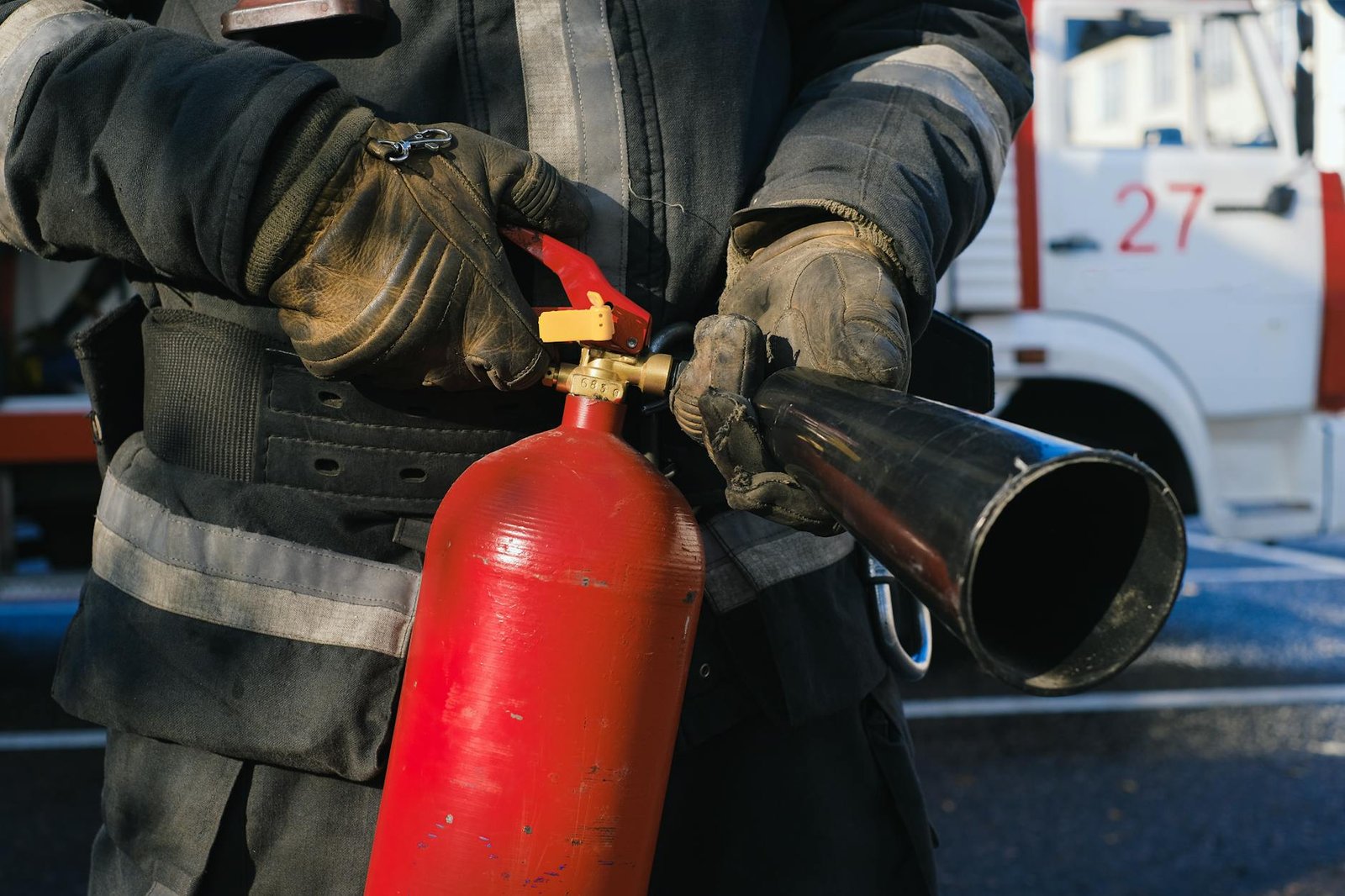
When sourcing CO2 extinguishers, procurement officers must prioritize equipment that carries the ISI mark. The IS 15683:2018 standard dictates the design, construction, and testing requirements for these portable units. A key feature of a compliant CO2 extinguisher is the discharge horn, which is designed to prevent cold burns and ensure the gas is directed precisely at the base of the fire.
In the Indian market, CO2 extinguishers are typically available in 2kg, 3kg, 4.5kg, and 6.5kg capacities. The pricing varies based on the cylinder material, valve quality, and certification status. For a standard 2kg CO2 extinguisher compliant with IS 15683, the price range typically falls between ₹2,000 and ₹3,500. For larger, industrial-grade 6.5kg units intended for high-voltage panel rooms, the cost ranges from ₹5,000 to ₹12,000. It is crucial to avoid low-cost, non-ISI marked alternatives, as these pose a significant risk of cylinder failure under pressure—a danger that outweighs any initial cost savings.
Facility managers should conduct quarterly inspections as per the guidelines laid out in IS 2190. This includes checking the weight of the cylinder, as CO2 is stored as a liquid under pressure; if the weight drops by more than 10%, the unit must be recharged.
Operational Protocol: The PASS Method
Possessing the right equipment is only half the battle; ensuring that staff knows how to use it is the other. In any emergency, panic is the greatest enemy. The PASS method is the universally recognized procedure for operating portable fire extinguishers:
1. Pull: Pull the pin at the top of the extinguisher. This breaks the tamper seal and allows you to discharge the agent.
2. Aim: Aim the nozzle or horn at the base of the fire, not the flames. Remember that CO2 is a gas; aiming at the flames will simply disperse the fire rather than extinguishing it.
3. Squeeze: Squeeze the handle slowly and evenly to release the extinguishing agent.
4. Sweep: Sweep the nozzle from side to side at the base of the fire until it appears to be out.
Because CO2 is released at a very low temperature, users must be trained to hold the horn by the insulated handle provided. Failure to do so can result in frostbite. Furthermore, in confined spaces like small server rooms or electrical vaults, users must be aware that CO2 displaces oxygen. Once the fire is extinguished, the area should be evacuated immediately to prevent asphyxiation.
Strategic Placement and Maintenance Requirements
The National Building Code (NBC) 2016 emphasizes the importance of accessibility. Fire extinguishers must be mounted in conspicuous locations, typically along escape routes, near doorways, and at a height that allows for quick retrieval. For CO2 extinguishers, avoid placing them in areas subject to extreme heat or direct sunlight, as this can increase the internal pressure of the cylinder beyond safe limits.
In industrial settings—such as a manufacturing plant in Gujarat or a high-rise office in Mumbai—the maintenance schedule must be strictly adhered to. This involves:
Neglecting these maintenance cycles is a common cause of failure during fire audits. Facility managers who fail to maintain a logbook of these inspections face significant exposure to liability in the event of an insurance claim or a fire-related incident.
Comparison of Fire Suppression Agents
Choosing the right extinguisher for the right hazard is critical. The following table compares CO2 with other common suppression agents to assist in your procurement decision-making process.
| Feature | CO2 (Carbon Dioxide) | ABC fire extinguisher | Water (Stored Pressure) |
| Primary Use | Electrical/Electronic | Multi-purpose (A, B, C) | Class A (Solids) |
| Residue | None | High (Powder) | Water damage |
| Conductivity | Non-conductive | Non-conductive | Conductive |
| Typical Price | ₹2,500 – ₹12,000 | ₹1,200 – ₹4,500 | ₹1,000 – ₹3,000 |
Note: Prices are estimates based on standard Indian market trends and may vary based on brand and capacity.
FAQ: Critical Questions for Facility Managers
Q: Is it safe to use a CO2 extinguisher in a small, enclosed office room?
A: While effective for electrical fires, CO2 displaces oxygen. In a small, unventilated room, the concentration of CO2 can reach levels dangerous to human health. Always ensure the room is evacuated immediately after use and ventilate the area thoroughly before re-entry.
Q: How often must a CO2 extinguisher be hydrostatically tested according to Indian Standards?
A: According to IS 2190 and PESO guidelines, CO2 cylinders must undergo a hydrostatic pressure test every five years to ensure the structural integrity of the cylinder can withstand the high pressures involved.
Q: Can I use a CO2 extinguisher on a wood or paper fire?
A: It is not recommended. CO2 is designed for Class B and C fires. While it may provide some cooling, it is not effective against deep-seated Class A fires (solids) and may allow the fire to re-ignite once the gas dissipates.
Q: What is the significance of the “ISI” mark on my extinguisher?
A: The ISI mark indicates that the product complies with IS 15683:2018. It is a guarantee of quality and safety, ensuring the cylinder has been manufactured and tested according to rigorous Indian national standards.
Q: How do I know if my CO2 extinguisher needs a refill?
A: CO2 extinguishers are weighed, not pressure-gauged. If the total weight of the cylinder is 10% less than the weight stamped on the valve/body, it requires a recharge.
Q: What is the PASS method and why is it important?
A: PASS stands for Pull, Aim, Squeeze, and Sweep. It is the standardized, simple procedure for using a portable fire extinguisher. Proper training in this method is essential for all staff to ensure they can act effectively during the critical first few minutes of a fire.
Resources for Further Compliance
For further information regarding fire safety compliance and standards, please consult the following official resources:
Conclusion
Fire safety is an ongoing commitment to the protection of life and property. As we have discussed, the deployment of CO2 extinguishers is a technical process that requires adherence to IS 15683, careful maintenance as per IS 2190, and a deep understanding of the risks associated with electrical fires. By prioritizing high-quality, ISI-certified equipment and ensuring your staff is trained in the PASS method, you significantly reduce the risk of catastrophic loss.
Safex established 1972, and for over five decades, we have remained dedicated to providing the Indian industry with the expertise and equipment necessary to maintain the highest standards of fire safety. Compliance with the NBC 2016 is not just a legal requirement; it is the foundation of a resilient business infrastructure. We encourage all facility managers and decision-makers to audit their current fire suppression inventory today to ensure that when the moment of truth arrives, your equipment is ready to perform.