
Comprehensive Guide to Addressable Fire Alarm Systems for Indian Infrastructure
In the modern landscape of Indian industrial and commercial real estate, fire safety is no longer a matter of mere compliance; it is a critical pillar of business continuity. As urban centers like Bengaluru, Mumbai, and Ahmedabad densify, the reliance on advanced life safety technology has shifted from conventional, zone-based systems to sophisticated addressable fire alarm systems. These systems provide pinpoint accuracy, reducing response times during emergencies and minimizing the operational downtime associated with false alarms.
Safex Fire Services, with a legacy rooted in deep technical expertise since our establishment in 1972, has observed a paradigm shift in how facility managers approach fire protection. Whether you are managing a sprawling IT park or a high-density warehouse, understanding the technical nuances of an addressable system is essential for protecting your assets and adhering to the stringent requirements laid out in the National Building Code (NBC) 2016.
Understanding the Addressable Fire Alarm System Architecture
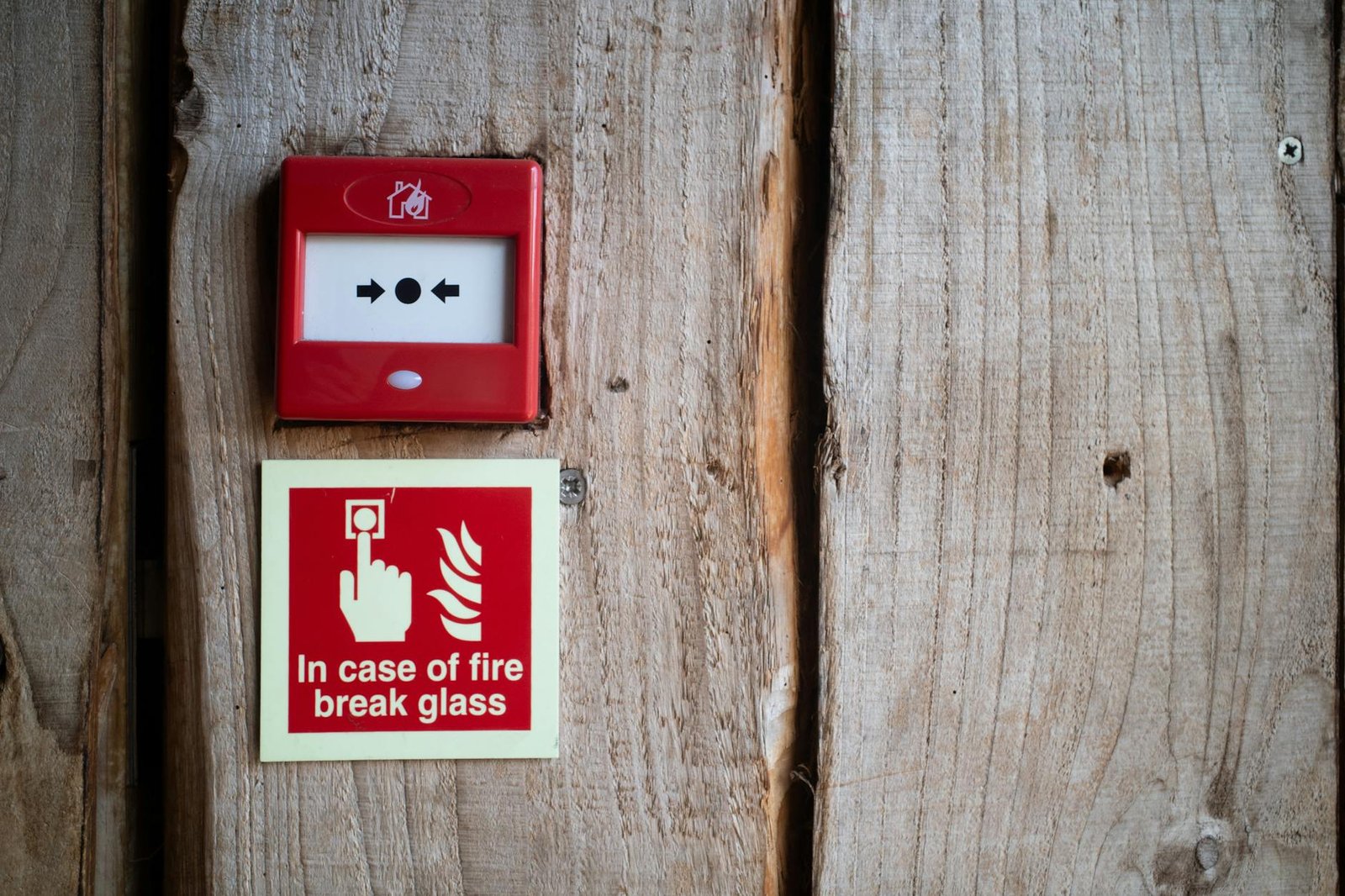
An addressable fire alarm system differs fundamentally from a conventional system. In a conventional setup, devices are wired in zones; if an alarm triggers, the control panel identifies which zone is active, but not the specific device. In contrast, an addressable system assigns a unique digital address to every smoke detector, heat detector, and manual call point. When a fire occurs, the fire alarm control panel (FACP) displays the exact location—down to the specific room or corridor—where the device was triggered.
For facility managers in large-scale environments, this granularity is indispensable. According to NBC 2016 Part 4, which dictates the fire and life safety requirements for buildings, the goal is to ensure rapid detection and notification to facilitate safe egress. Addressable systems achieve this by providing real-time diagnostic data. They monitor the health of every sensor, alerting the maintenance team if a detector is dusty or nearing its end-of-life, which prevents the nuisance of false alarms—a common pain point in industrial settings.
Implementing these systems requires adherence to IS 2189, the Indian standard governing the selection, installation, and maintenance of automatic fire alarm systems. By utilizing intelligent protocols, these systems allow for “cause and effect” programming, where specific actions (such as opening access control doors or activating smoke extraction fans) can be triggered based on the specific location of the fire, rather than a blanket building-wide response.
Compliance and Regulatory Framework in India
Navigating the regulatory environment in India requires a clear understanding of the National Building Code (NBC) 2016. The code mandates that high-rise buildings and certain industrial occupancies must have robust, automated detection capabilities. Failure to comply with these standards can result in severe legal liabilities, including the revocation of a No Objection Certificate (NOC) from the local fire department and, in the event of a fire, massive financial and criminal exposure for the property owner.
Beyond the NBC, the selection of supporting fire suppression equipment must align with IS 15683, which covers the specifications for portable fire extinguishers. While an addressable system provides the “eyes” to detect a fire, portable extinguishers are the “hands” that allow occupants to perform initial suppression. When deploying these, it is critical to train staff on the PASS method:
1. Pull the pin on the extinguisher.
2. Aim the nozzle at the base of the fire.
3. Squeeze the handle to discharge the agent.
4. Sweep the nozzle from side to side across the base of the fire.
In terms of budgeting for these systems, the investment varies based on the scale of the facility. A small-scale addressable panel setup for a medium office may range from ₹1,50,000 to ₹4,00,000, depending on the number of loops and points. For individual fire safety hardware, a high-quality 2kg ABC powder extinguisher (compliant with IS 15683) typically costs between ₹2,000 and ₹5,000, while industrial-grade 10kg units can range from ₹5,000 to ₹15,000. Investing in certified equipment is the only way to ensure reliability when it matters most.
Strategic Benefits for Industrial and Commercial Facilities
For a warehouse in Gujarat or an IT park in Bengaluru, the cost of fire-related downtime can run into crores of rupees. Addressable systems offer a significant return on investment through reduced insurance premiums and lower maintenance costs. Because the system performs continuous self-testing, the need for manual, site-wide physical inspections is drastically reduced.
Furthermore, addressable systems allow for the integration of multiple building management systems (BMS). For instance, when a smoke detector in a server room triggers, the system can automatically cut power to specific racks to prevent electrical short-circuiting, while simultaneously alerting the central security desk. This level of automation is impossible with conventional systems.
When selecting a vendor, ensure that the design phase accounts for future expansion. A well-designed addressable system should allow for “loop” expansions, where new devices can be added to the existing communication path without requiring a complete overhaul of the wiring infrastructure. This flexibility is vital for businesses that anticipate growth or internal renovations.
Maintenance and Operational Longevity
The effectiveness of any fire alarm system is entirely dependent on its maintenance cycle. IS 2190 provides the framework for the selection, installation, and maintenance of fire-fighting equipment, and these principles apply equally to alarm systems. A common mistake in Indian facilities is the “install and forget” approach. Dust, humidity, and voltage fluctuations are the primary enemies of sensitive electronic sensors.
Safex Fire Services recommends a quarterly audit of the alarm loops. This involves checking for ground faults, verifying the battery backup capacity, and ensuring that the FACP is communicating correctly with the smoke and heat detectors. If a detector fails to report its status, the system should flag a “device missing” or “dirty sensor” alert. Ignoring these alerts is a violation of safety protocols and can lead to a total system failure during an actual emergency.
By adhering to a rigorous maintenance schedule, facility managers can extend the service life of their addressable system to 10-15 years, ensuring that the initial capital expenditure provides maximum value over the lifecycle of the building.
Comparison of Fire Detection Technologies
| Feature | Conventional System | Addressable System | Intelligent/Networked System |
| Identification | Zone-based only | Specific device address | Device + Analytics |
| Wiring Complexity | High (radial circuits) | Low (loop topology) | Low (loop topology) |
| Maintenance | Manual testing required | Automated self-diagnostics | Predictive maintenance |
| Cost (Initial) | Low (₹50k – ₹1.5L) | Medium (₹1.5L – ₹5L) | High (₹5L+) |
FAQ: Frequently Asked Questions
Q: What is the primary advantage of an addressable system over a conventional one?
A: The primary advantage is precision. An addressable system identifies the exact location of a fire, whereas a conventional system only identifies a broad zone, which saves critical time during an emergency evacuation.
Q: How does IS 15683 relate to my fire safety system?
A: While your addressable alarm system detects the fire, IS 15683 defines the standards for the portable extinguishers you use to suppress it. Both are required for a complete life safety strategy under the NBC 2016.
Q: What is the PASS method?
A: PASS is an acronym for using a fire extinguisher: Pull the pin, Aim at the base of the fire, Squeeze the handle, and Sweep from side to side.
Q: Is it expensive to upgrade from a conventional system to an addressable one?
A: While the initial cost is higher—often ranging from ₹2,000 to ₹5,000 for individual components and significant investment for the panel—the long-term savings in maintenance and the reduction in false alarms make it a cost-effective choice for modern facilities.
Q: Does the NBC 2016 mandate addressable systems for all buildings?
A: The NBC 2016 mandates specific fire detection requirements based on the building’s height, occupancy type, and floor area. Addressable systems are highly recommended for large or complex structures to ensure compliance and safety.
Q: How often should I test my fire alarm system?
A: Per Indian standards, you should conduct daily visual checks of the panel, monthly functional tests of manual call points, and quarterly comprehensive audits of all detectors and loops.
Resources
For further information on fire safety standards and compliance, please consult the following official resources:
Conclusion
The transition toward addressable fire alarm systems is a vital step for any organization prioritizing the safety of its occupants and the longevity of its infrastructure. By moving away from legacy, zone-based detection, facility managers can leverage data-driven insights to prevent disasters before they escalate.
At Safex Fire Services, we have been committed to providing world-class fire safety solutions since our establishment in 1972. We understand that every building has unique requirements, and our team is dedicated to ensuring that your safety systems are not only compliant with NBC 2016 and IS standards but are also optimized for the specific operational demands of your business. Do not wait for a fire audit to discover the gaps in your safety infrastructure. Invest in reliable, addressable technology today to ensure peace of mind for tomorrow.