Comprehensive Guide to Fire Protection Systems: Ensuring Compliance and Safety in India
Fire safety is not merely a regulatory checkbox; it is the fundamental pillar of business continuity and life safety in the Indian industrial and commercial landscape. As the complexity of modern infrastructure increases—from high-rise IT parks in Bengaluru to sprawling manufacturing units in Gujarat—the need for a robust, multi-layered fire protection strategy has never been more critical. Since Safex established 1972, we have observed the evolution of fire safety mandates, moving from basic reactive measures to sophisticated, integrated fire suppression ecosystems.
Understanding the various fire system types requires a deep dive into the National Building Code (NBC) 2016, which serves as the definitive roadmap for fire and life safety in India. Failure to adhere to these standards can lead to severe legal liabilities, insurance claim rejections, and, most tragically, loss of life. This guide outlines the essential systems every facility manager and architect must understand to ensure full compliance and operational readiness.
The Foundation of Active Fire Suppression: Portable Extinguishers
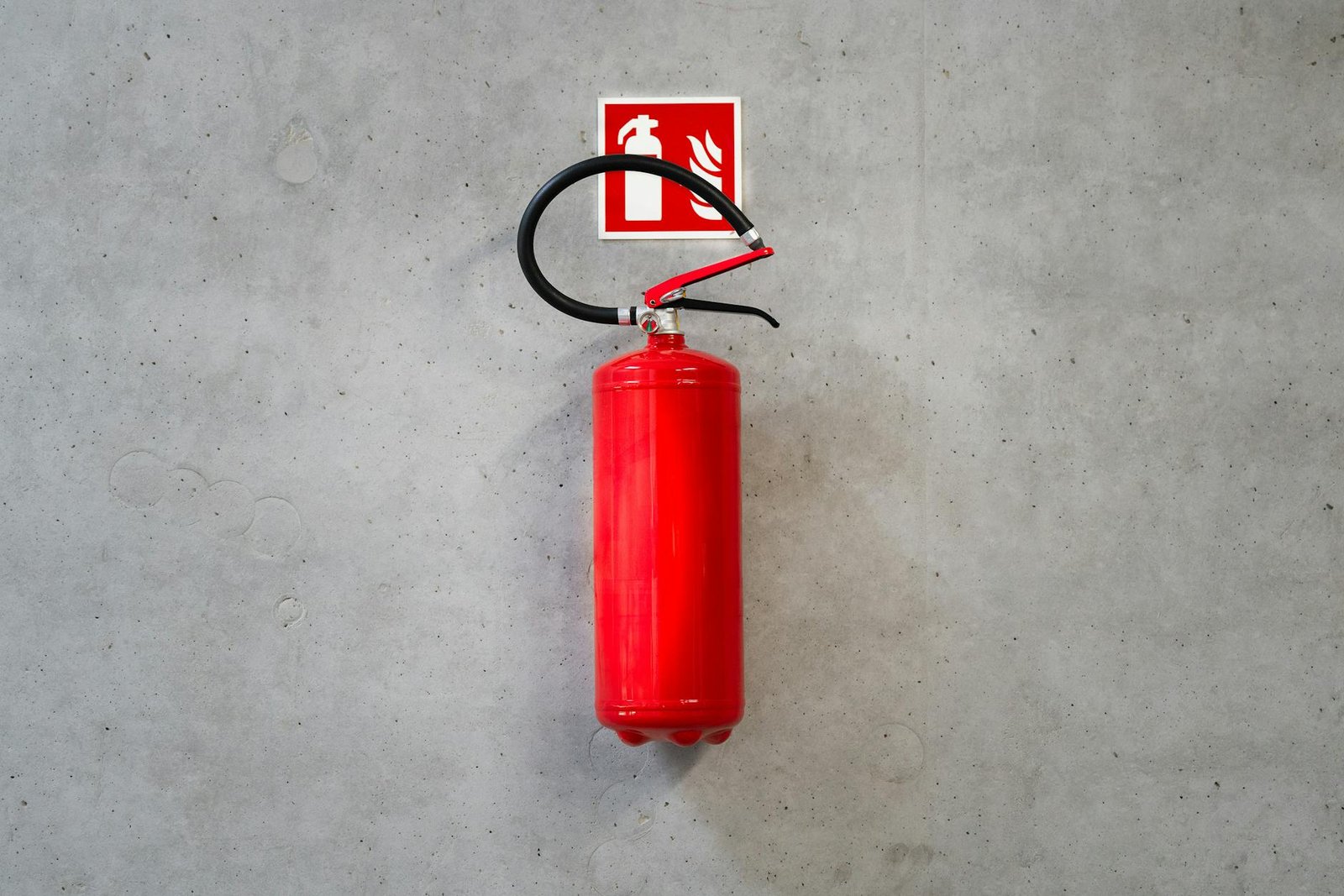
At the first line of defense, portable fire extinguishers remain the most vital tool for immediate intervention. However, their efficacy depends entirely on proper selection, placement, and maintenance as per IS 2190. When choosing extinguishers, it is imperative to ensure they are compliant with IS 15683:2018, which sets the performance and safety requirements for portable fire extinguishers in India.
For small office spaces or server rooms, a 2kg CO2 extinguisher is often sufficient, typically retailing in the range of ₹2,000–₹4,000. For larger industrial warehouses, stored-pressure ABC powder extinguishers (6kg or 9kg) are standard, priced between ₹2,500 and ₹6,000 depending on the brand and certification.
Crucially, the presence of an extinguisher is useless without operator knowledge. We train facility staff on the PASS method:
Water-Based Fire Protection: Hydrant and Sprinkler Systems
For large-scale commercial and industrial facilities, the NBC 2016 mandates the installation of comprehensive water-based fire suppression systems. These systems are designed to contain large-scale fire events that portable units cannot manage.
The fire hydrant system system acts as the primary external and internal firefighting mechanism. It consists of a network of pipes, fire pumps, and hose reels located strategically throughout the facility. In contrast, automatic sprinkler systems provide immediate, localized suppression. In high-density environments like shopping malls or high-rise office blocks, the sprinkler system is often the only thing preventing a minor electrical fault from escalating into a structural catastrophe.
Maintenance of these systems is governed by strict periodic testing. Pumps must be checked for pressure delivery, and sprinkler heads must be inspected for obstructions or corrosion. In the Indian context, where water quality can vary significantly, the risk of pipe scaling is high. Regular flushing and pressure testing are not optional; they are the difference between a functional system and a false sense of security.
Gas-Based Suppression: Protecting Critical Assets
In environments where water damage would be as catastrophic as the fire itself—such as data centers, server rooms, or medical diagnostic facilities—gas-based suppression systems are the industry standard. These systems utilize clean agents that extinguish fires by removing heat or disrupting the chemical chain reaction without leaving a residue.
Modern systems often use inert gases or chemical agents that are safe for human occupancy and environmentally friendly. While the initial capital expenditure is higher—often ranging from ₹50,000 to several lakhs depending on the room volume and system complexity—the protection of irreplaceable data and hardware makes it a non-negotiable investment for the IT and telecommunications sectors.
Compliance in these areas requires adherence to specific IS codes regarding the room’s integrity and the discharge mechanism. A poorly sealed room will fail a “door fan test,” causing the suppression agent to leak out before it can effectively suppress the fire. Facility managers must ensure that the installation is performed by certified professionals who understand the nuances of gas concentrations and pressure relief requirements.
Fire Detection and Alarm Systems: The Early Warning Mechanism
A fire system is only as good as its ability to detect an emergency in its infancy. Fire detection systems—comprising smoke detectors, heat sensors, and manual call points—are the “eyes and ears” of a building. According to NBC 2016, the integration of these detectors with the building’s fire alarm control panel (FACP) is essential for timely evacuation.
In modern installations, we utilize addressable fire alarm systems. Unlike conventional systems that only indicate a “zone” of fire, addressable systems pinpoint the exact detector that has triggered. This significantly reduces response time, allowing security teams to verify the threat immediately. For industrial settings, multi-sensor detectors that analyze both smoke and heat are recommended to prevent false alarms caused by dust or humidity, which is a common operational hurdle in India’s climate.
The cost of a basic addressable control panel starts around ₹15,000, with individual detectors priced between ₹1,000 and ₹3,000. While the cost is significant, the prevention of downtime and the protection of personnel far outweigh the initial investment.
Comparison of Fire Safety Systems
| System Type | Primary Application | Maintenance Frequency | Cost Intensity |
| Portable Extinguishers | Small localized fires | Monthly/Annual | Low (₹1.5k–₹15k) |
| Sprinkler Systems | Large open-plan areas | Quarterly | High |
| Gas Suppression | Server rooms / Data | Semi-Annual | Very High |
| Alarm/Detection | Early warning | Monthly | Moderate |
Frequently Asked Questions
Q: How often must we conduct a fire audit according to NBC 2016?
A: NBC 2016 recommends that a comprehensive fire safety audit be conducted at least annually. High-risk facilities, such as chemical processing plants, should consider bi-annual audits to ensure compliance with changing local fire department regulations.
Q: Are there specific standards for the maintenance of fire extinguishers?
A: Yes, IS 15683:2018 governs the manufacture, while IS 2190 provides the code of practice for the selection, installation, and maintenance of portable fire extinguishers. These standards mandate regular pressure testing and refilling.
Q: What is the PASS method and why is it important?
A: The PASS method (Pull, Aim, Squeeze, Sweep) is the industry-standard technique for operating a portable fire extinguisher. It ensures the user maintains the correct distance, targets the base of the fire, and discharges the agent effectively.
Q: Can we use water to extinguish electrical fires?
A: Never use water on electrical fires. Water is conductive and can cause electrocution. You must use a CO2 or dry chemical powder (DCP) extinguisher, as these agents are non-conductive and specifically rated for Class C (electrical) fires.
Q: How much should a facility budget for basic fire safety compliance?
A: A small office setup might require an investment of ₹15,000–₹30,000 for extinguishers and basic alarms. Large industrial facilities often require multi-lakh investments to cover hydrant systems, pump rooms, and advanced detection networks.
Q: Why does my facility need a specialized fire safety company?
A: Fire safety is highly technical. Professionals ensure that equipment is not just installed, but correctly sized for the fire load, placed according to NBC 2016, and maintained to meet local fire department compliance requirements, shielding you from legal liability.
Resources
For further information on fire safety standards and regulatory compliance in India, please refer to the following official resources:
Conclusion
Fire protection is a dynamic discipline that requires constant vigilance. As we have seen through decades of experience, the most effective fire safety systems are those that are integrated, regularly maintained, and supported by a culture of preparedness. Since Safex established 1972, our commitment has been to provide not just equipment, but the peace of mind that comes from knowing your facility is protected by the highest standards of engineering.
Whether you are upgrading an existing building or designing a new facility, prioritize compliance with IS standards and the NBC 2016. Do not wait for a fire inspection to discover gaps in your safety infrastructure. Invest in quality, train your staff, and ensure that when the moment of truth arrives, your systems are ready to perform.