
The Strategic Guide to Addressable Fire Alarm Systems for Indian Infrastructure
In the evolving landscape of Indian commercial real estate, the transition from conventional to addressable fire alarm systems is no longer a luxury—it is a baseline requirement for life safety and asset protection. As facility managers and architects navigate the complexities of the National Building Code (NBC) 2016, understanding the technical superiority of addressable technology is essential. Safex established 1972, and throughout our five decades of experience, we have witnessed the shift from simple zone-based detection to intelligent, granular monitoring that saves lives and prevents catastrophic downtime.
Why Addressable Systems are the Gold Standard for Indian Facilities
Conventional fire alarm systems operate on a zone-based logic. When a detector triggers, the control panel identifies the general area—such as “Second Floor Office Space”—but cannot pinpoint the exact device. In a modern IT park in Bengaluru or a large-scale warehouse in Gujarat, this lack of specificity can result in critical delays during an emergency.
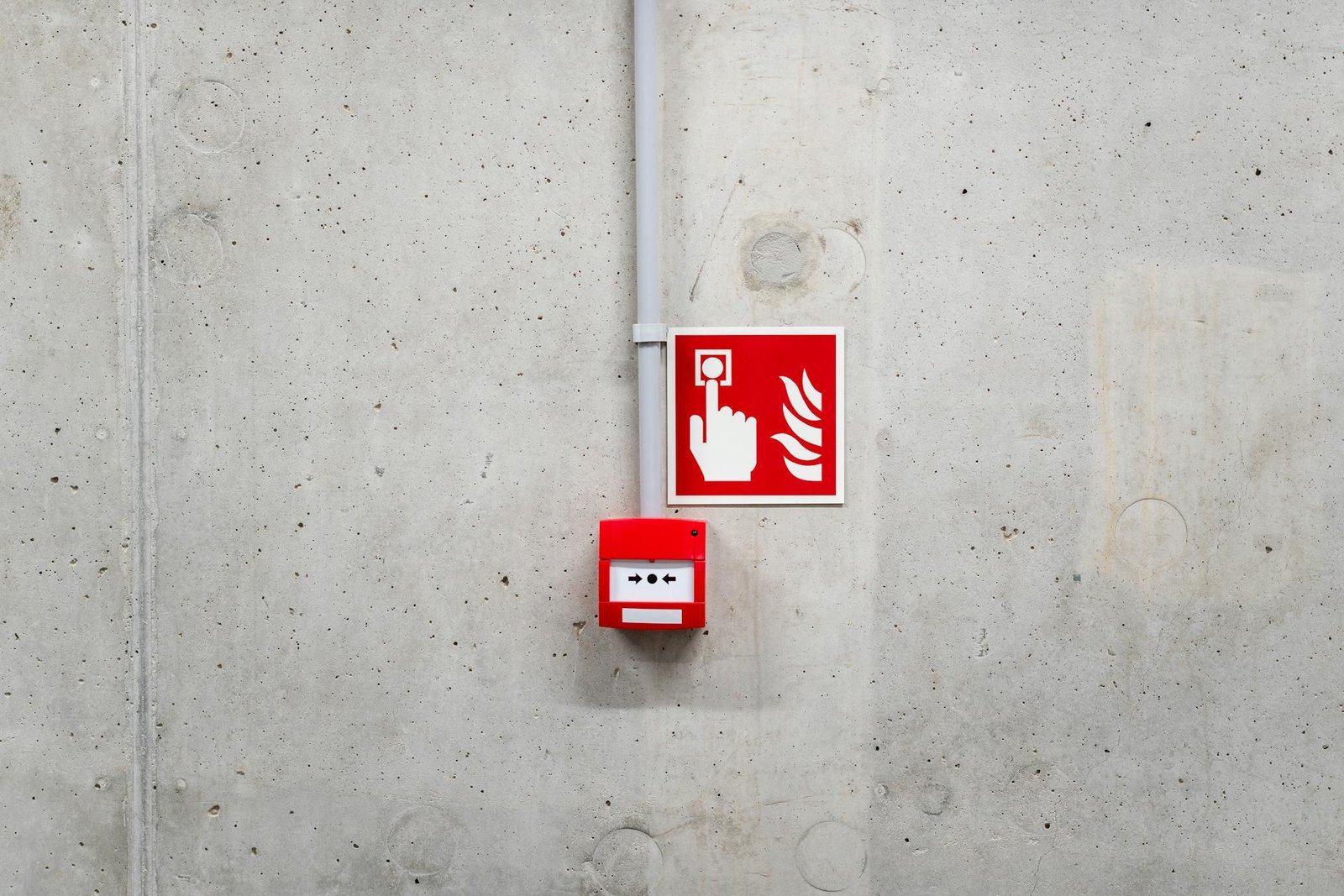
Addressable systems change this paradigm by assigning a unique electronic address to every smoke detector, heat sensor, and manual call point on the signaling line circuit (SLC). When a fire occurs, the fire alarm control panel (FACP) displays the precise location, such as “Sensor 04, Server Room A, East Wing.” This granularity is vital for compliance with NBC 2016 Part 4, which mandates robust fire detection strategies for high-rise buildings and assembly occupancies. By reducing response time, facility managers can confirm whether an alarm is a genuine fire or a false trigger, preventing unnecessary evacuations and business disruption.
Compliance and Integration with IS Standards
Fire safety in India is governed by a rigorous framework of standards. While the National Building Code (NBC) 2016 provides the overarching guidelines for building design and safety features, the hardware itself must adhere to specific Indian Standards (IS).
Beyond alarm systems, every facility must be equipped with portable fire-fighting equipment compliant with IS 15683:2018. This standard dictates the performance, construction, and testing requirements for portable fire extinguishers. When integrating an addressable alarm system, it is crucial to ensure that the detection coverage overlaps with the placement of your fire-fighting assets. If a detector in an addressable system triggers in a specific warehouse bay, the responding team should immediately know where the nearest IS 15683-compliant extinguisher is located.
Non-compliance with these standards carries heavy legal implications. Under the current Indian legal environment, building owners and facility managers can face severe penalties, including the revocation of Occupancy Certificates (OC) and criminal liability in the event of a fire-related fatality. Investing in a certified addressable system is an investment in risk mitigation.
Financial Considerations: Budgeting for Intelligent Detection
One of the primary concerns for decision-makers is the cost-to-benefit ratio. While addressable systems carry a higher upfront cost compared to conventional setups, the long-term maintenance and reliability benefits are significant.
For a mid-sized commercial office floor, a complete addressable setup—including the FACP, loop cards, and addressable sensors—can range from ₹2,50,000 to ₹6,00,000 depending on the complexity of the loops and the brand of the sensors. Conversely, keeping portable safety gear in check is more affordable; a high-quality 2kg dry powder extinguisher compliant with IS 15683 typically ranges from ₹2,000 to ₹3,500, while larger 6kg-9kg variants for industrial use may cost between ₹5,000 and ₹12,000.
Facility managers should also account for the cost of periodic maintenance, as mandated by IS 2190. A system that is not regularly tested is a system that will fail when needed most. Budgeting for annual maintenance contracts (AMC) is a critical step in ensuring that your addressable fire alarm system remains in peak operational condition throughout its 10-15 year lifecycle.
Operational Best Practices: The PASS Method and Beyond
Even with the most advanced addressable fire alarm system, the human element remains the final line of defense. When a fire is detected and verified, staff must be trained to react effectively. If a fire is small and contained, the use of a portable fire extinguisher can prevent a total loss.
To ensure safety, every employee should be trained on the PASS method:
Addressable systems aid this process by providing early warning, giving staff the precious seconds needed to utilize these extinguishers correctly. In high-risk environments, such as commercial kitchens or electrical server rooms, the integration between the alarm system and the fire suppression systems (such as gas-based total flooding systems) should be seamless, ensuring that as soon as the alarm sounds, the suppression system is ready to activate.
Comparison Table: Conventional vs. Addressable Systems
| Feature | Conventional Fire Alarm | Addressable Fire Alarm |
| Identification | Zone-based (General area) | Device-specific (Exact location) |
| Wiring | Simple radial circuits | Intelligent loop circuits |
| Maintenance | Difficult to locate faults | Easy to identify specific faulty devices |
| Compliance | Suitable for small areas | Mandatory for complex/large buildings |
FAQ: Frequently Asked Questions
Q: Why is an addressable system preferred over a conventional one for large buildings?
A: Addressable systems pinpoint the exact location of a fire or a fault, whereas conventional systems only identify a broad zone. For large facilities, this saves critical time during emergencies and simplifies maintenance.
Q: Are there specific Indian Standards I should look for when buying fire equipment?
A: Yes. For portable fire extinguishers, always ensure they are compliant with IS 15683:2018. For general installation and maintenance of fire systems, IS 2190 is the primary reference.
Q: What is the PASS method and why does it matter?
A: PASS stands for Pull, Aim, Squeeze, Sweep. It is the industry-standard technique for using a portable fire extinguisher. Knowing this method is essential for any staff member in a facility to contain small fires before they spread.
Q: How much does it cost to install an addressable fire alarm system?
A: Costs vary by building size and complexity. Generally, for a mid-sized floor, you should budget between ₹2,50,000 and ₹6,00,000. It is a cost-effective investment when considering the potential for property loss.
Q: How often should my fire alarm system be serviced?
A: Per IS 2190 and general safety protocols, your system should undergo quarterly inspections and a comprehensive annual audit by a certified professional to ensure all loops and sensors are fully functional.
Q: Can I upgrade my existing conventional system to an addressable one?
A: In many cases, yes. However, it often requires a full replacement of the wiring and devices, as addressable systems use different communication protocols. A site survey by a fire safety expert is required to determine the feasibility.
Resources
For further information on fire safety standards and compliance, please refer to the following official resources:
Conclusion
The implementation of an addressable fire alarm system is a strategic decision that prioritizes the safety of occupants and the continuity of business operations. By aligning your infrastructure with the requirements set forth in NBC 2016 and ensuring all hardware meets the rigorous specifications of IS 15683, you are creating a resilient environment capable of handling modern fire risks.
At Safex, we understand that fire safety is not just about installing hardware; it is about building a culture of preparedness. Safex established 1972, and our commitment remains to provide engineering-led, compliant, and reliable fire safety solutions tailored to the unique demands of the Indian market. Whether you are managing an IT park, a hospital, or a manufacturing plant, our expertise ensures that your facility is protected by the highest standards of safety technology available today. Ensure your building is not just compliant, but truly secure.