
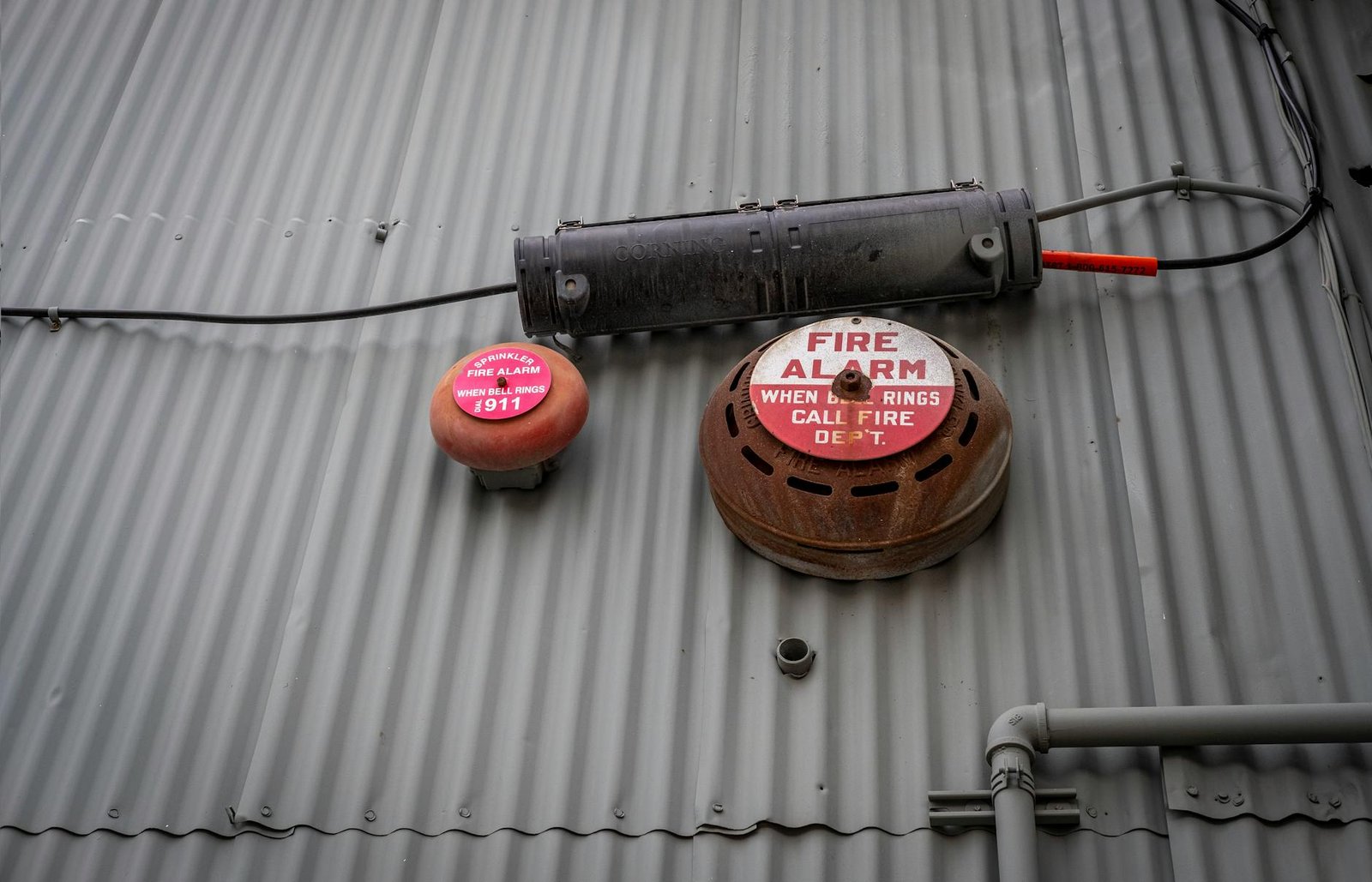
Comprehensive Guide to Addressable Fire Alarm Systems in India
In the rapidly evolving landscape of Indian infrastructure, the safety of occupants and assets has moved from a regulatory formality to a core operational necessity. Whether managing high-rise IT parks in Bengaluru, sprawling manufacturing units in Gujarat, or multi-story residential complexes in Mumbai, the choice of fire detection technology dictates the efficiency of emergency response. Among the available technologies, the addressable fire alarm system stands out as the gold standard for precision, speed, and reliability.
At Safex Fire Services, we have witnessed the evolution of fire safety technology firsthand. With Safex established 1972, we have spent over five decades helping facility managers navigate the complexities of fire protection. An addressable system is not merely a collection of sensors; it is an intelligent network that identifies the exact location of a fire, allowing for targeted intervention and minimizing downtime.
Why Addressable Fire Alarm Systems Outperform Conventional Setups
The fundamental difference between a conventional system and an addressable system lies in intelligence. In a conventional setup, devices are wired in zones. When an alarm triggers, the control panel indicates that a fire has been detected “somewhere” in that zone—which could encompass an entire floor or a large wing of a building. This lack of specificity forces security personnel to conduct a manual search, wasting precious seconds that could lead to catastrophic loss.
In contrast, an addressable fire alarm system assigns a unique digital ID to every single device—smoke detectors, heat sensors, manual call points, and notification appliances. When a sensor activates, the Fire Alarm Control Panel (FACP) displays the exact room or corridor where the incident is occurring. This granularity is essential for compliance with the National Building Code (NBC 2016), which emphasizes the necessity of rapid response times in high-occupancy structures.
For facility managers, this means the difference between investigating a false alarm in minutes and managing a full-scale evacuation. Furthermore, addressable systems are inherently more robust; they utilize a loop architecture that continues to function even if a single wire break occurs, providing a level of redundancy that is critical for safety-critical environments.
Compliance and Standards: The Role of NBC 2016 and IS Standards
Fire safety in India is governed by stringent requirements. The NBC 2016 (Part 4: Fire and Life Safety) provides the framework for building design and safety installations. When integrating an addressable system, it is vital to ensure that all equipment complies with the relevant Indian Standards (IS). While the addressable system manages detection, the suppression side must align with standards like IS 15683, which governs the requirements for portable fire extinguishers.
A common oversight in facility management is the failure to integrate the alarm system with other building management systems (BMS). Under modern fire safety protocols, an addressable system should communicate directly with the building’s HVAC system to shut down air handling units (preventing the spread of smoke) and trigger elevator homing protocols.
Failure to adhere to these standards can lead to severe legal and financial repercussions. Under the current Indian legal framework, non-compliance with fire safety norms can lead to the revocation of occupancy certificates, heavy fines, and, in the event of a fire-related casualty, criminal liability for building owners and facility managers. Investing in a high-quality addressable system is not just a safety measure; it is a vital form of professional risk management.
Cost Considerations and Budgeting for Fire Safety
Budgeting for an addressable system requires a clear understanding of both capital expenditure (CAPEX) and operational expenditure (OPEX). While addressable systems carry a higher upfront cost compared to conventional systems—often ranging from ₹2,00,000 to ₹10,00,000 depending on the size and complexity of the facility—the long-term savings are significant.
When you factor in the cost of individual components, a small addressable detector might cost between ₹2,000 and ₹5,000, whereas a full control panel can range from ₹50,000 to ₹3,00,000 for large-scale enterprise models. To complement these systems, facility managers must also invest in portable fire extinguishers. For a standard 2kg ABC powder extinguisher compliant with IS 15683, you can expect to pay between ₹2,000 and ₹5,000, while industrial-grade 6kg or 9kg units typically range from ₹5,000 to ₹15,000.
It is critical to remember that fire safety is a holistic endeavor. Even with a sophisticated addressable alarm system, occupants must be trained in the PASS method for using fire extinguishers:
1. Pull the pin.
2. Aim at the base of the fire.
3. Squeeze the handle.
4. Sweep from side to side.
Budgeting should always include annual maintenance contracts (AMC) with certified professionals to ensure that sensors are cleaned and the panel logic is tested at least twice a year, as per IS 2190 guidelines.
Comparison: Conventional vs. Addressable Systems
To help decision-makers choose the right technology for their specific site requirements, the following comparison highlights the key operational differences.
| Feature | Conventional System | Addressable System |
| Location Accuracy | Zonal (General area only) | Point-specific (Exact device) |
| Wiring Architecture | Radial (Spur) | Loop (Redundant) |
| Maintenance | Difficult to locate faults | Easy (Panel reports device fault) |
| Cost (Initial) | Economical (₹30k – ₹1.5L) | Premium (₹2L – ₹10L+) |
| Integration | Limited | High (BMS/Access Control) |
Frequently Asked Questions (FAQ)
Q: Why is an addressable system recommended for large Indian warehouses?
A: In large open spaces like warehouses, a conventional system would trigger an alarm for a whole zone, making it nearly impossible to find a small fire hidden behind stacks of inventory. An addressable system pinpoints the exact sensor, allowing the fire response team to reach the fire before it spreads.
Q: Does the NBC 2016 mandate addressable systems for all buildings?
A: The NBC 2016 classifies buildings based on height and occupancy. While smaller buildings may use conventional systems, high-rise buildings and assembly occupancies are strongly advised to use addressable systems to meet the stringent life safety and evacuation requirements.
Q: What is the significance of IS 15683 in my fire safety plan?
A: IS 15683 is the Indian Standard for portable fire extinguishers. Your fire safety strategy must include these extinguishers for initial suppression, while the addressable alarm system provides the early warning detection.
Q: How much should I budget for an addressable panel?
A: Costs vary based on loop capacity. A small-scale addressable panel for a medium office may cost ₹50,000, while a high-capacity, multi-loop networked panel for a large industrial campus can exceed ₹3,00,000.
Q: What is the PASS method?
A: PASS stands for Pull, Aim, Squeeze, and Sweep. It is the standard operating procedure for using a portable fire extinguisher effectively. All staff should be trained in this method during annual fire drills.
Q: How often should an addressable system be inspected?
A: Per IS 2190 and general fire safety maintenance guidelines, your system should be inspected by a qualified professional at least every six months. This includes testing all smoke detectors, checking the battery backup for the FACP, and verifying the integrity of the loop wiring.
Resources
For further technical specifications and guidance on fire safety compliance in India, please refer to the following official resources:
Conclusion
The implementation of an addressable fire alarm system is a critical investment in the longevity and safety of your facility. By providing real-time, pinpoint data, these systems empower facility managers to act with confidence, reducing the risk of false alarms and ensuring that genuine threats are neutralized instantly.
Since Safex established 1972, we have remained committed to providing industry-leading fire safety solutions that protect lives and property across India. Whether you are upgrading an existing site or designing a new facility, our team understands the nuances of local compliance, the rigors of the National Building Code, and the necessity of precision engineering. Do not wait for an audit or an incident to prioritize your fire safety infrastructure; contact our experts today to ensure your facility meets the highest standards of safety and operational readiness.