
If you’re buying or installing a fire extinguisher, the real question is not just which one, but where and how to use it correctly. Most people install extinguishers as a compliance checkbox, but in actual fire situations, wrong placement or wrong type is what causes failure.
This guide breaks it down practically. Where each extinguisher works, where it fails, and how to use it without hesitation. Whether it’s a home kitchen, electrical panel, or factory floor, the difference between control and disaster is usually the first 30 seconds.
What Is a Portable Fire Extinguisher
A portable fire extinguisher is a compact firefighting device designed to control small fires at an early stage by discharging extinguishing agents like dry powder, CO2, foam, or water under pressure.
Types of Portable Fire Extinguishers (Practical View)
Instead of textbook definitions, here’s how they behave in real conditions:
- ABC fire extinguisher
- Works across solid, liquid, and electrical fires.
- Most versatile and commonly used in India.
- Best for mixed-risk areas like offices and homes.
- CO2 fire extinguisher
- Ideal for electrical fires and sensitive equipment.
- Leaves no residue.
- Not effective for deep-seated fires.
- foam fire extinguisher
- Best for flammable liquids like diesel or petrol.
- Creates a blanket layer to cut oxygen.
- Not safe for electrical fires.
- Water / Water Mist Extinguisher
- Effective for solid materials like wood, paper.
- Modern mist versions can handle electrical risks to some extent.
Real-World Use Cases (Where Placement Actually Matters)
- Home: Keep one near the kitchen and one near exit points. Most home fires start in kitchens or electrical wiring.
- Kitchen: Use a kitchen fire extinguisher or water mist extinguisher. Oil fires spread if handled with water incorrectly.
- Office: ABC extinguishers work best because risk is mixed. Place near exits and electrical clusters.
- Factory: A combination approach is required. Use fire extinguishers for general use, foam for fuel areas, and CO2 near panels. For large scale protection, an ABC trolley fire extinguisher is often necessary.
- Electrical Panels: Only CO2 or clean agent extinguishers. Using powder here can damage equipment permanently.
- Server Rooms: Always use clean agent or CO2. Residue-based extinguishers can destroy systems faster than fire.
How a Fire Extinguisher Works (Technical but Practical)
Fire extinguishers work by interrupting the fire triangle: heat, fuel, oxygen. Advanced systems often integrate fire safety valves to ensure pressure integrity during discharge.
Fire Classes
- Class A: Solid materials (wood, paper)
- Class B: Flammable liquids
- Class C: Electrical fires
- Class D: Metals
- Class K: Cooking oils
Working Principle
Each extinguisher uses a different method:
- Cooling (water-based)
- Smothering (foam, CO2)
- Chemical interruption (dry powder)Dry chemical powder interrupts the chemical reaction of fire, which is why ABC types are widely used.
Comparison Table
| Type | Best For | Limitation | Cost Range |
| ABC | Home, office, factory | Leaves residue | ₹1,000 – ₹4,000 |
| CO2 | Electrical, server rooms | Limited range | ₹2,000 – ₹6,000 |
| Foam | Fuel fires | Not electrical-safe | ₹2,000 – ₹5,000 |
| Water | Solid fires | Unsafe for electrical | ₹800 – ₹3,000 |
Price and Selection (India Perspective)
Choosing based on price alone is a mistake. For most users:
- Homes: 2kg or 4kg ABC
- Offices: 4kg–6kg ABC + CO2 near panels
- Factories: Mix of ABC, foam, and CO2
If you’re looking for reliable options, browse available fire extinguishers. If your setup includes sensitive equipment, consider pairing extinguishers with fire suppression systems.
Common Mistakes That Cause Failure
- Installing extinguishers but not training staff
- Using water on electrical or oil fires
- Placing extinguishers in inaccessible locations
- Not checking pressure or expiry
- Using the wrong type for the fire class
In real incidents, hesitation and wrong usage are more dangerous than not having an extinguisher at all.
Frequently Asked Questions
- Which fire extinguisher is best for home use?ABC fire extinguisher is the safest and most versatile option.
- Can I use one extinguisher for all fires?Not always. ABC covers most, but specialized risks need specific types.
- How often should extinguishers be checked?Monthly visual checks and annual servicing are recommended.
- What is the lifespan of a fire extinguisher?Typically 5–15 years depending on type and maintenance.
- Is CO2 better than ABC?For electrical fires, yes. For general use, no.
- Where should extinguishers be installed?Near exits, high-risk areas, and easily accessible points.
Conclusion
A portable fire extinguisher is only effective if it’s the right type, placed correctly, and used without delay. Most real-world failures happen not because the equipment is missing, but because it’s misunderstood.
For Indian homes and businesses, the safest baseline is:
- ABC for general protection
- CO2 for electrical areas
- Foam where fuel risk exists
If you’re setting up a complete safety system, combine extinguishers with proper planning and installation support from experts like about Safex Fire.
Image Prompt
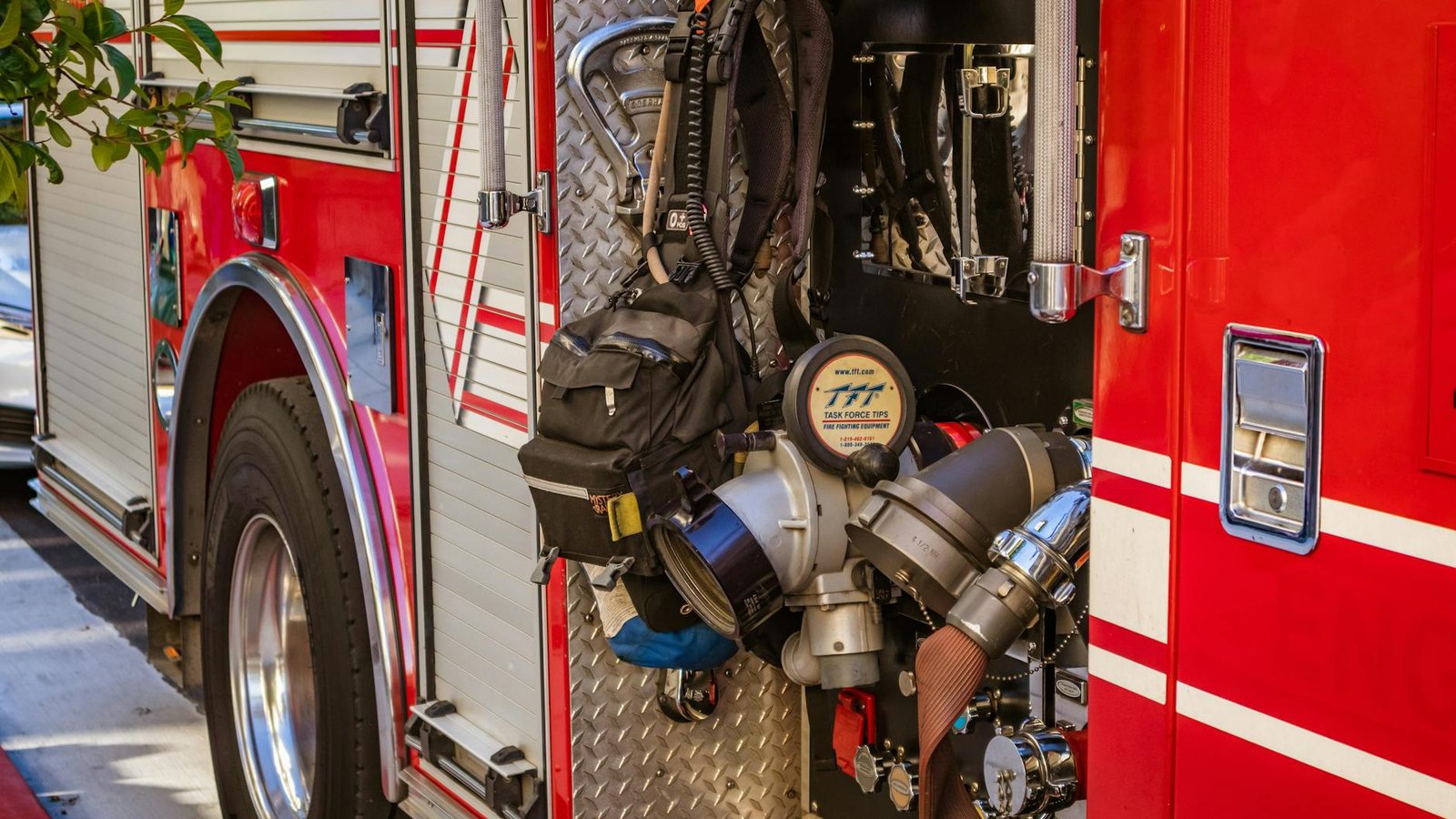
A realistic industrial and residential setup showing different fire extinguishers placed in kitchen, office, factory floor, and electrical panel areas
Alt Text
Different types of portable fire extinguishers placed in real-world locations like kitchen, office, factory, and electrical panel
SEO Details
- Focus Keyword: portable fire extinguisher
- SEO Title: Portable Fire Extinguisher Guide: Where and How to Use It Properly in India
- Meta Description: Learn where and how to use a portable fire extinguisher correctly. Practical guide for homes, offices, factories, and electrical fire safety in India.
- Slug: portable-fire-extinguisher-guide-india
- Word Count: ~1500