
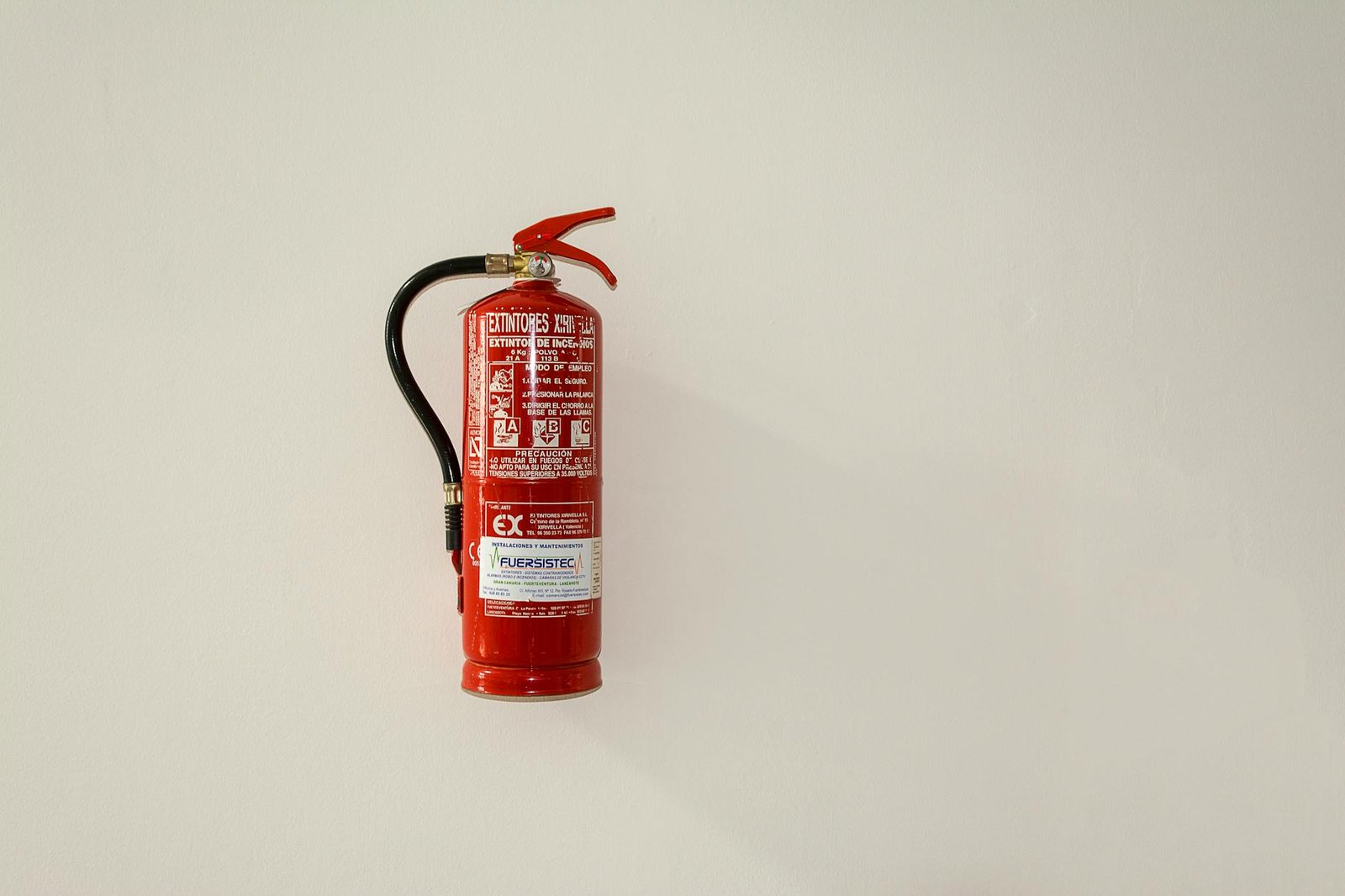
If you’ve ever looked at a fire extinguisher pressure gauge and wondered whether it’s actually safe to use, you’re not alone. The gauge is the quickest way to tell if your fire extinguisher will work when you need it. The colored zones—red, green, and sometimes yellow—aren’t just indicators; they directly reflect whether the extinguisher has enough pressure to discharge properly.
In real situations, especially in factories and offices, I’ve seen extinguishers sitting for months with the needle slightly off the green zone—people assume it’s fine, but it’s already unreliable. Understanding what each zone means helps you avoid that mistake and ensures your fire extinguisher is actually ready when a fire starts.
What Is a Fire Extinguisher Pressure Gauge
A fire extinguisher pressure gauge is a built-in indicator that shows whether the internal pressure of the extinguisher is within the safe operating range. It ensures the extinguishing agent can be discharged effectively during use.
What Each Zone on the Pressure Gauge Means
1. Green Zone – Safe and Ready
This is where the needle should be at all times.
- Indicates correct internal pressure
- Extinguisher will discharge properly
- Safe for immediate use In most workplaces, monthly inspections are simply about checking that the needle is still in this zone.
2. Red Zone (Left Side) – Undercharged
This is a critical warning.
- Pressure is too low
- Extinguisher may not discharge properly
- Often caused by slow leakage or poor maintenance In factories, this usually happens when extinguishers are not serviced during annual maintenance cycles.
3. Red Zone (Right Side) – Overcharged
Less common, but equally risky.
- Pressure is too high
- Can damage internal components
- In extreme cases, may cause cylinder failure This often happens due to incorrect refilling practices.
4. Yellow Zone (If Present) – Caution
Some extinguishers include a yellow zone.
- Indicates borderline pressure
- May still work, but not reliably
- Requires inspection soon
Types of Fire Extinguishers and Gauge Behavior
Not all extinguishers behave the same way. Standard fire extinguishers like ABC and BC types have pressure gauges. An ABC fire extinguisher uses stored pressure, so gauge accuracy is critical for safety.
- CO2 fire extinguisher does NOT use a pressure gauge because pressure depends on temperature.
- Clean agent fire extinguisher typically includes gauges due to stored pressure systems.
- Practical insight: If you’re relying on a CO2 extinguisher, you must check weight instead of a gauge.
Real-World Use Cases
- Home: Most people ignore the gauge completely. A slightly undercharged extinguisher won’t be effective during a kitchen fire.
- Office: Extinguishers are installed but rarely inspected. The gauge is the fastest compliance check during audits.
- Factory: High-risk environments require strict monitoring. Even a small pressure drop can mean failure during flammable liquid fires.
- Kitchen: Grease fires escalate quickly. If pressure is low, discharge will be weak and ineffective.
- Electrical Panels: Critical area. If the extinguisher fails due to low pressure, damage spreads instantly.
- Server Rooms: Clean agent extinguishers must be perfectly pressurized. Even minor deviations can lead to incomplete suppression.
How the Pressure Gauge Works (Technical)
The gauge measures internal pressure relative to required operating conditions. The effectiveness depends on fire classes, including Class A (solids), Class B (liquids), Class C (electrical), Class D (metals), and Class K (kitchen oils).
The working principle relies on stored pressure forcing the extinguishing agent out when the valve is opened. Common extinguishing agents include dry chemical powder, foam, water, or clean agents. If pressure drops, discharge velocity decreases—this is where most failures happen.
Comparison Table
| Type | Best For | Limitation | Cost Range |
| ABC | Multi-purpose (A, B, C) | Leaves residue | ₹2,000–₹6,000 |
| CO2 | Electrical fires | No gauge, weight check needed | ₹3,000–₹8,000 |
| Foam | Liquid fires | Not for electrical | ₹2,500–₹7,000 |
| Clean Agent | Server rooms | Expensive | ₹6,000–₹15,000 |
Price and Selection in India
For most users in India, selection depends on the specific environment. Homes typically require a 2–4 kg ABC extinguisher, while offices benefit from 4–6 kg ABC or clean agent units. Factories often need a combination of ABC, CO2, and foam extinguishers. Always choose based on risk, not just price. A cheaper extinguisher with poor maintenance is useless.
Common Mistakes
- Ignoring the gauge during inspections
- Assuming “slightly off green” is acceptable
- Not servicing annually
- Using CO2 extinguishers without weight checks
- Refilling from unverified vendors
FAQs
- Can I use an extinguisher if the needle is slightly below green? No. Even a small drop can reduce discharge effectiveness.
- Why does my extinguisher show high pressure? Possible overfilling or temperature effects. It needs inspection.
- Do all extinguishers have gauges? No. CO2 extinguishers rely on weight, not gauges.
- How often should I check the gauge? Monthly visual inspection is recommended.
- What if the needle is in red? Do not use it. Get it serviced or replaced immediately.
- Does temperature affect the gauge? Yes, especially in extreme heat or cold.
Conclusion
The pressure gauge is not just a visual indicator—it’s the most critical readiness check on a fire extinguisher. If it’s not in the green zone, you’re taking a risk. In real environments, failures don’t happen because extinguishers are missing—they happen because they’re not maintained. Make it a habit: every time you pass by a fire extinguisher, glance at the gauge. That one-second check can make the difference between control and disaster.
Image Prompt Close-up of fire extinguisher pressure gauge showing green, red, and yellow zones clearly marked
Alt Text Fire extinguisher pressure gauge indicating safe and unsafe pressure levels
SEO Output
- Focus keyword: fire extinguisher pressure gauge
- SEO title: Fire Extinguisher Pressure Gauge Meaning Explained (Green vs Red Zones)
- Meta description: Learn what each zone on a fire extinguisher pressure gauge means, how to read it correctly, and avoid common safety mistakes in real situations.
- Slug: fire-extinguisher-pressure-gauge-meaning
- Word count: 1345