
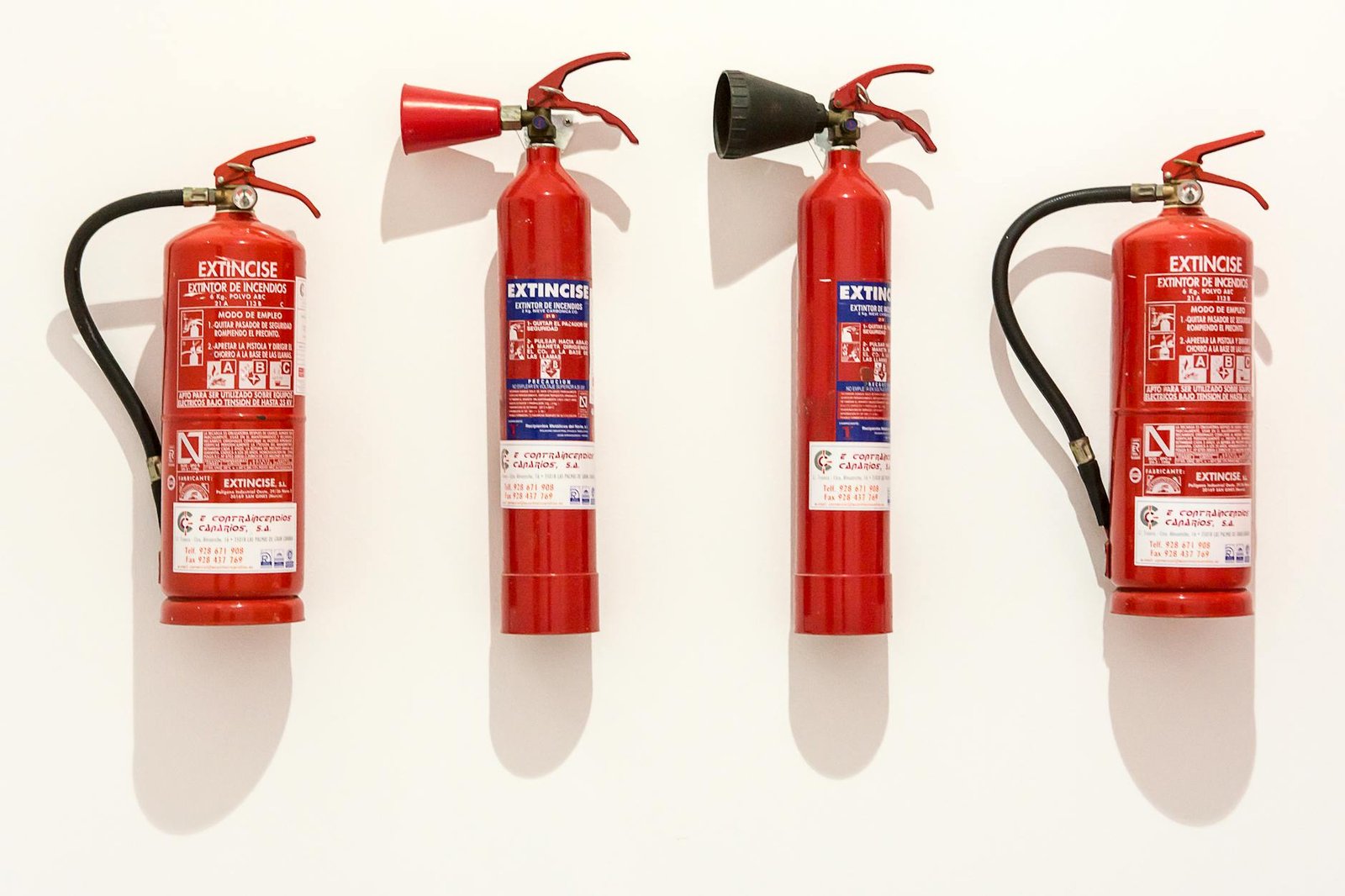
Most people assume a fire extinguisher works as long as it “looks fine.” That’s a risky assumption. A fire extinguisher has a defined service life, and beyond a certain point, it can fail silently—either by losing pressure, degrading internally, or becoming unsafe to operate. If you’re relying on it during an emergency and it doesn’t discharge properly, the consequences are immediate.
The real question isn’t just when it expires, but when it stops being reliable. In practical scenarios—homes, factories, or server rooms—that distinction matters more than the printed date. Proper maintenance of fire extinguishers ensures they are ready for these critical moments.
What Is Fire Extinguisher Expiry?
A fire extinguisher expiry date is the point beyond which the unit is no longer guaranteed to function safely or effectively. This is based on internal pressure stability, chemical integrity, and cylinder strength—not just external condition.
When Does a Fire Extinguisher Actually Expire?
There isn’t a single universal expiry date. It depends on the type:
- 1. Dry Chemical (ABC / BC): Lifespan: 5–12 years. Powder can cake inside over time; pressure leakage is common.
- 2. CO2 Fire Extinguisher: Lifespan: 10–15 years. No powder, but cylinder integrity is critical. Needs periodic hydrostatic testing.
- 3. Water / Foam Extinguishers: Lifespan: 5–10 years. Internal corrosion risk; liquid agents degrade.
- 4. Clean Agent Extinguishers: Lifespan: 10–15 years. Sensitive to leakage and pressure drop.
If you’re using an ABC fire extinguisher, expect shorter service intervals compared to CO2 units due to powder behavior.
Real-World Use Cases and Expiry Impact
- Home: Most homeowners ignore expiry completely. The extinguisher sits untouched for years. In many cases, powder settles or pressure drops without visible signs.
- Office: Regular audits help, but overlooked extinguishers in corners often go past expiry unnoticed.
- Factory: Higher risk. Heat, vibration, and dust accelerate deterioration. Expired units here are especially dangerous.
- Kitchen: Grease fires require reliable discharge. Expired extinguishers can fail instantly due to nozzle clogging.
- Electrical Panels: A faulty CO2 fire extinguisher is a serious hazard—pressure loss means no discharge at all.
- Server Rooms: Downtime risk is massive. Expired clean agent extinguishers can leak slowly and go undetected until needed.
- Medical Facilities: Specialized zones require non-magnetic solutions like an MRI fire extinguisher to ensure safety near sensitive equipment.
How It Works (And Why Expiry Matters)
Fire extinguishers operate on pressure-driven discharge combined with fire suppression agents.
Fire Classes Covered
- Class A: Solid materials
- Class B: Flammable liquids
- Class C: Electrical fires
- Class D: Metals
- Class K: Kitchen oils
Working Principle
- Stored pressure (or cartridge pressure)
- Release mechanism activates discharge
- Agent interrupts combustion (cooling, smothering, or chemical inhibition)
Over time, pressure drops, seals weaken, and agents degrade. Components like fire safety valves must be inspected to prevent accidental leaks. That’s why expiry is not cosmetic—it directly affects functionality.
Comparison Table
| Type | Best For | Limitation | Cost Range (India) |
| ABC | General use | Powder residue, caking | ₹1,500–₹6,000 |
| CO2 | Electrical | No cooling effect | ₹2,500–₹10,000 |
| Foam | Liquid fires | Not for electrical | ₹2,000–₹7,000 |
| Clean Agent | Server rooms | Expensive | ₹5,000–₹15,000 |
Price and Selection Advice (India)
If you’re buying or replacing:
- For homes: 2–4 kg ABC extinguisher is sufficient.
- For offices: Combine ABC + CO2.
- For factories: Consider fire extinguishers with higher capacity or trolley models.
- For sensitive areas: Use clean agents or fire suppression systems.
Don’t just check price—check manufacturing date and service history.
Common Mistakes People Make
- Ignoring Manufacturing Date: Many assume expiry is printed clearly. It often isn’t.
- Skipping Refilling: Even a partially used extinguisher must be refilled immediately.
- No Annual Inspection: In real environments, especially factories, yearly checks are non-negotiable.
- Assuming “Unused = Safe”: This is the biggest misconception. Internal failure happens silently.
- Buying Without Service Support: Always ensure refill and maintenance availability. You can always contact Safex for proper servicing guidance.
FAQ
- How do I check if my extinguisher is expired? Check manufacturing date, pressure gauge, and last service tag.
- Can an expired extinguisher still work? Sometimes, but it’s unreliable and unsafe.
- Is refilling enough after expiry? Not always. If cylinder integrity is compromised, replacement is required.
- Do all extinguishers have expiry dates? Yes, but it’s often linked to service life rather than a printed “expiry date.”
- How often should I service it? At least once a year, more frequently in industrial environments.
- What happens if pressure drops? The extinguisher may not discharge at all.
- Is hydrostatic testing mandatory? Yes, especially for CO2 and high-pressure cylinders.
Conclusion
A fire extinguisher doesn’t suddenly “expire” like food—but it does gradually become unreliable. In real-world conditions, especially in India where maintenance is often overlooked, many extinguishers in use today are already unsafe. If you’re serious about fire safety, treat expiry as a functional deadline, not just a date. Regular inspection, timely refilling, and replacement when needed are non-negotiable.
Image Prompt
“Fire extinguisher inspection showing pressure gauge, manufacturing date, and technician checking cylinder in industrial setting”
Alt Text
Fire extinguisher inspection with focus on pressure gauge and expiry check
SEO Details
- Focus Keyword: fire extinguisher expiry date
- SEO Title: Fire Extinguisher Expiry Date Explained: When It Becomes Unsafe
- Meta Description: Learn when a fire extinguisher actually expires, signs it becomes unsafe, and how to maintain it properly in India.
- Slug: fire-extinguisher-expiry-date
- Word Count: ~1520